NASA's Roman Telescope to Map 100,000 New Planets by 2030
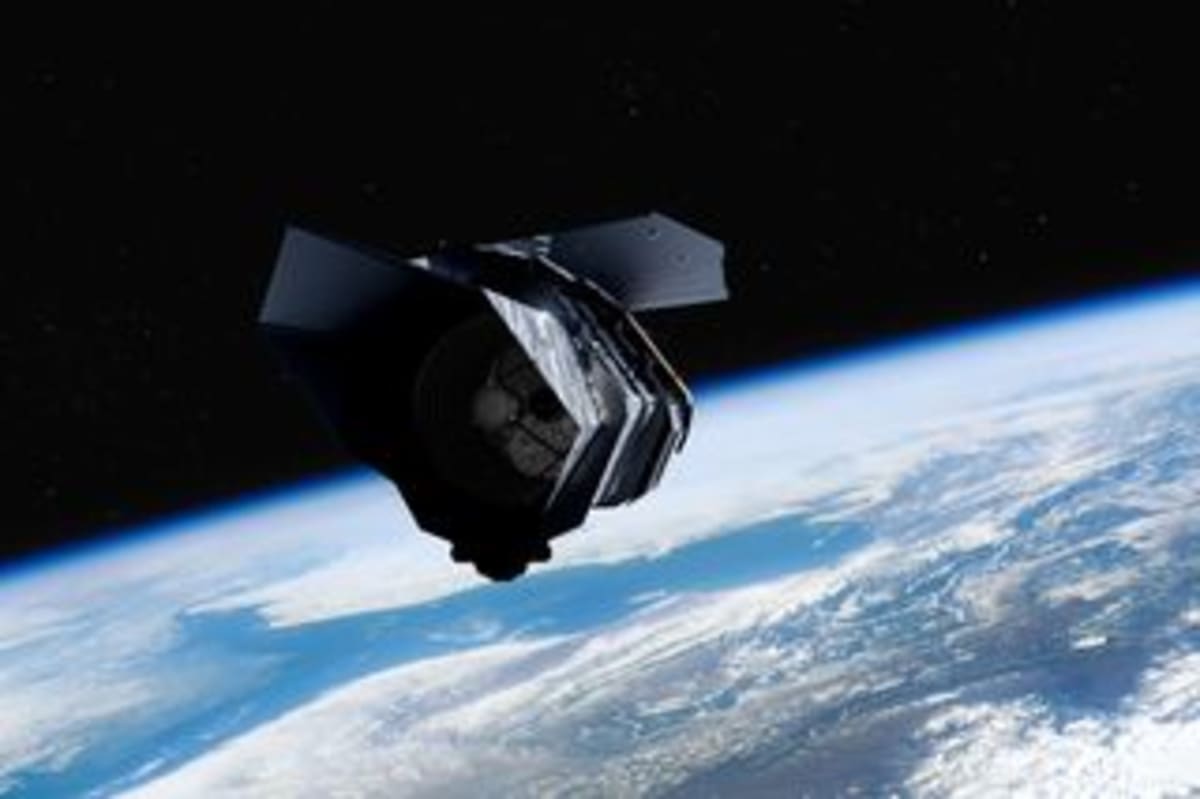
A powerful new space telescope launching in 2026 will discover tens of thousands of new worlds and help solve the universe's biggest mysteries in just a few years. The Nancy Grace Roman Space Telescope will accomplish in months what currently takes decades.
Imagine finding 100,000 new planets, mapping billions of stars, and finally understanding what holds the universe together—all within a few years.
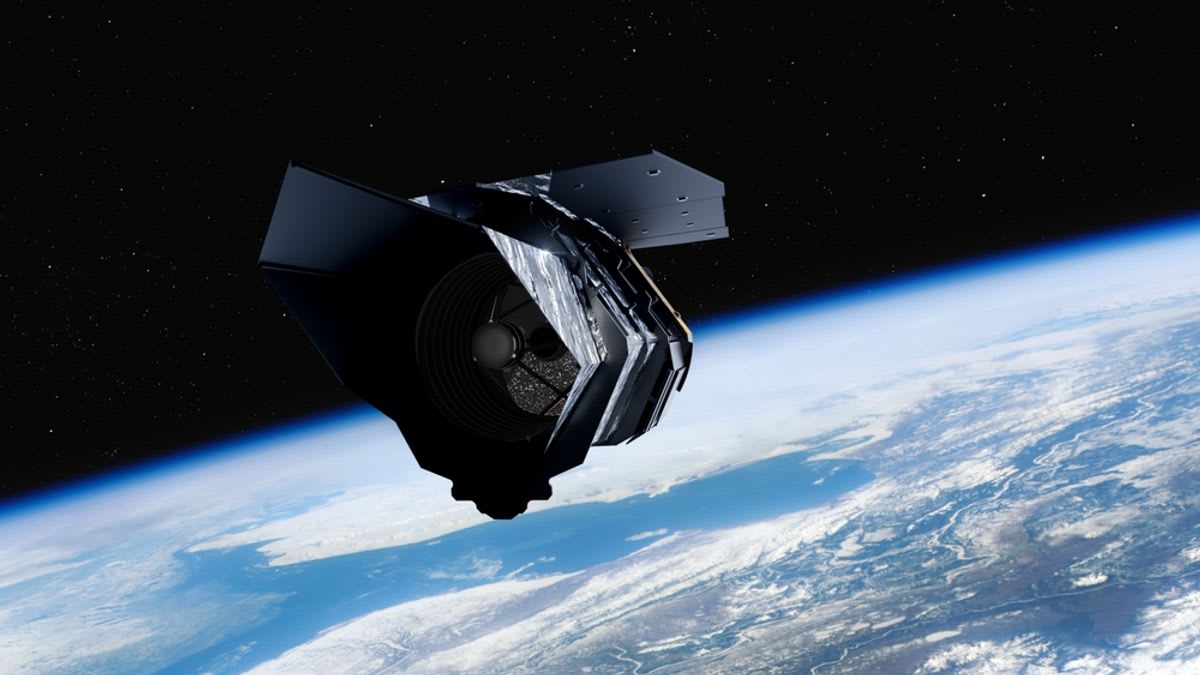
That's exactly what NASA's Nancy Grace Roman Space Telescope will do after it launches in August 2026. The spacecraft will travel one million miles from Earth to begin the most comprehensive survey of our cosmos ever attempted.
"Roman is a new kind of mission for NASA," said Jeremy Perkins, the project's observatory integration and test scientist. "One intended to answer some of the key questions that we just don't understand about the universe."
The telescope's superpower is its field of view. It offers the same sharp vision as the famous Hubble Space Telescope but can survey the sky 1,000 times faster, with each image covering 100 times more area. A single Roman image contains so much detail that displaying it would require half a million 4K TVs—enough to cover the entire face of Yosemite's El Capitan cliff.
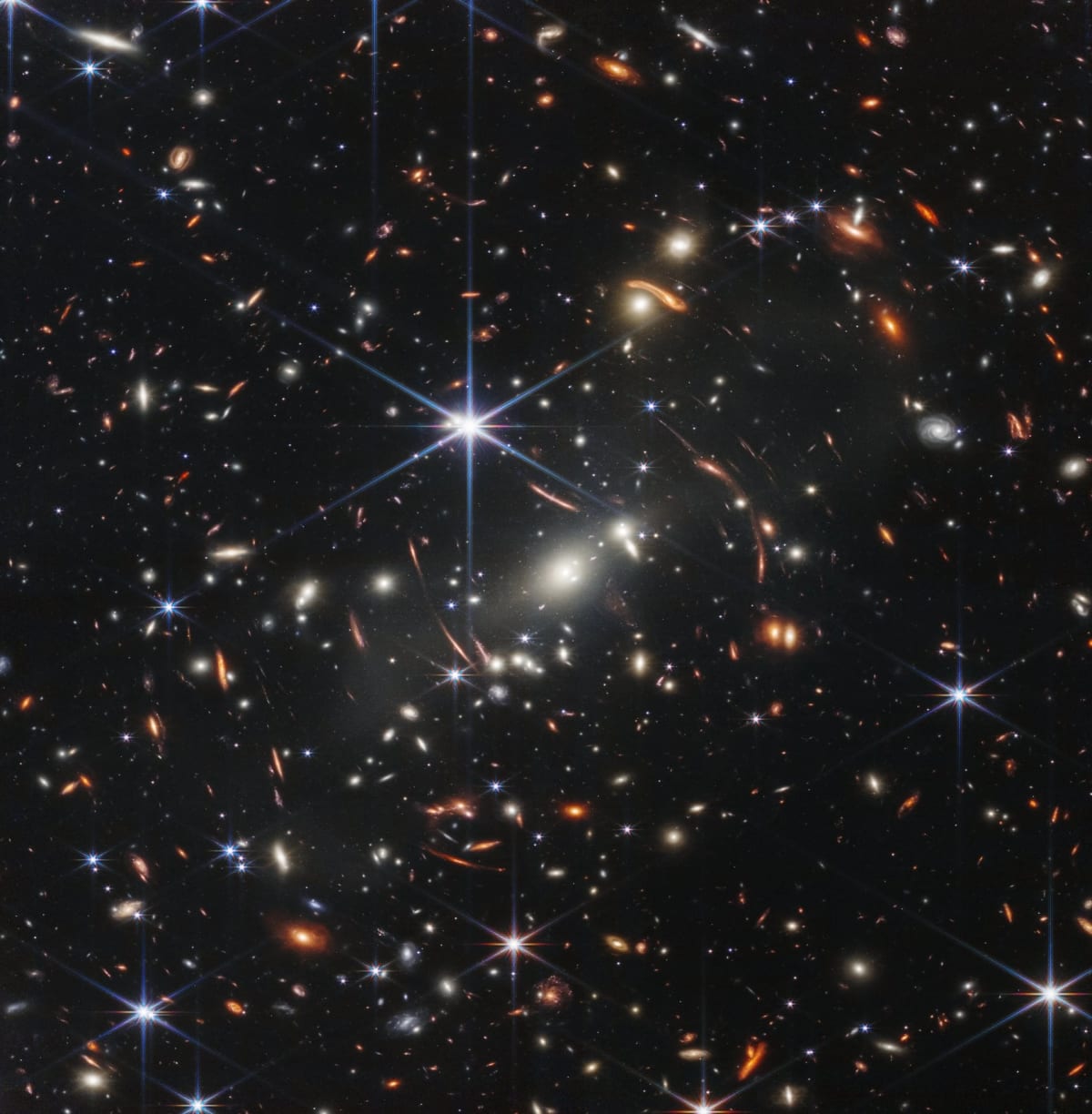
While the James Webb Space Telescope peers at the universe's earliest moments, Roman will show us what happened next. As NASA explains it: "Webb will tell us about the early universe, and Roman will help us understand how it evolved from there."
In its first few years, Roman will document millions of galaxies, billions of stars, thousands of supernovae, and roughly 100,000 exoplanets. That massive data collection will help scientists finally understand dark energy and dark matter—the invisible forces that shape everything we see.
Dark energy pushes galaxies apart, accelerating the universe's expansion. Dark matter holds galaxies together through gravity, despite being completely invisible. "These are the two forces that have built the universe," Perkins explained, yet both remain deeply mysterious.
By imaging so many galaxies and supernovae, researchers will measure how fast space is expanding with unprecedented precision. That measurement could crack open our understanding of these cosmic forces.
The Ripple Effect
The planet discoveries will create a lasting impact beyond Roman's mission. By increasing known exoplanets from roughly 6,300 to tens of thousands, Roman will compile a treasure map for future exploration.
NASA's proposed Habitable Worlds Observatory, tentatively planned for the 2040s, will use Roman's findings to target the most promising Earth-like planets in the search for alien life. Roman won't tell us if these worlds have atmospheres suitable for life, but it will show us exactly where to look next.
And the surprises won't stop there. "When you're looking at trillions of objects," Perkins noted, "a one-in-a-million chance is happening, like, two or three times a day."
The telescope completed final inspections this spring and arrived at Kennedy Space Center in Florida. After launch on August 30, 2026, it will spend three months traveling to its orbital home between Earth and the sun.
Then the real magic begins—when actual starlight, not simulated test beams, hits those detectors for the first time and Roman opens our eyes to a universe we've barely begun to imagine.
More Images

Based on reporting by Google: James Webb telescope
This story was written by BrightWire based on verified news reports.
Spread the positivity!
Share this good news with someone who needs it