NASA's Voyager Probes Still Going After 49 Years in Space
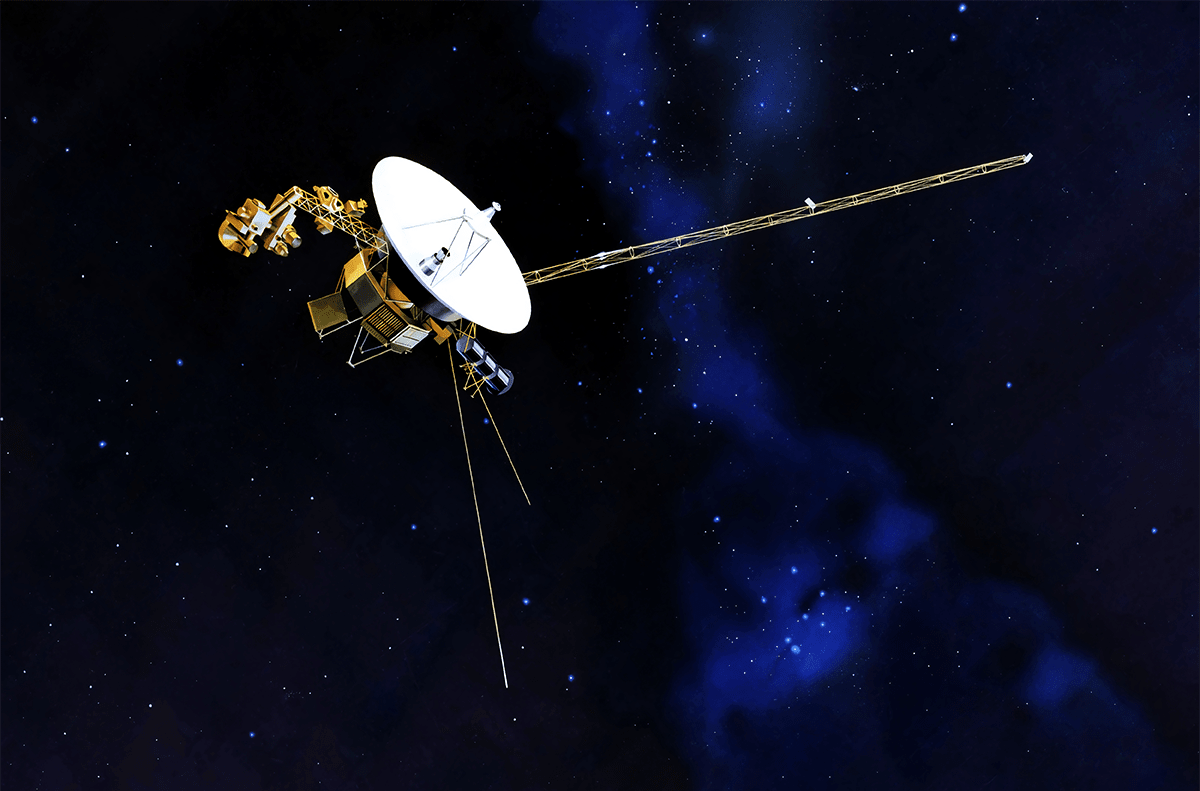
Nearly 50 years after launching from Earth, NASA's Voyager 1 and 2 spacecraft continue sending data from 15 billion miles away, far outlasting their original five-year mission. Engineers are working to keep these pioneering probes alive into the 2030s as they explore deeper into interstellar space than any human-made object has ever traveled.
Two spacecraft built in the 1970s are still exploring the cosmos, sending messages home from farther away than anything humanity has ever launched.
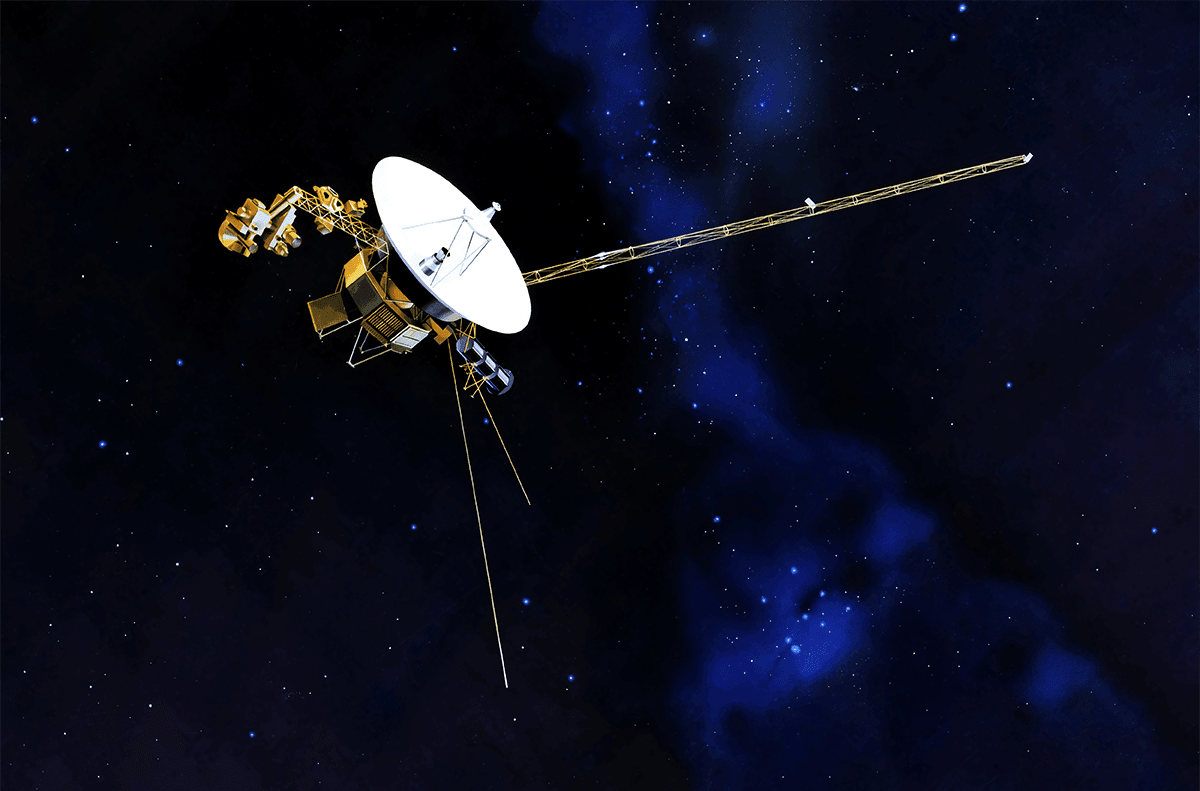
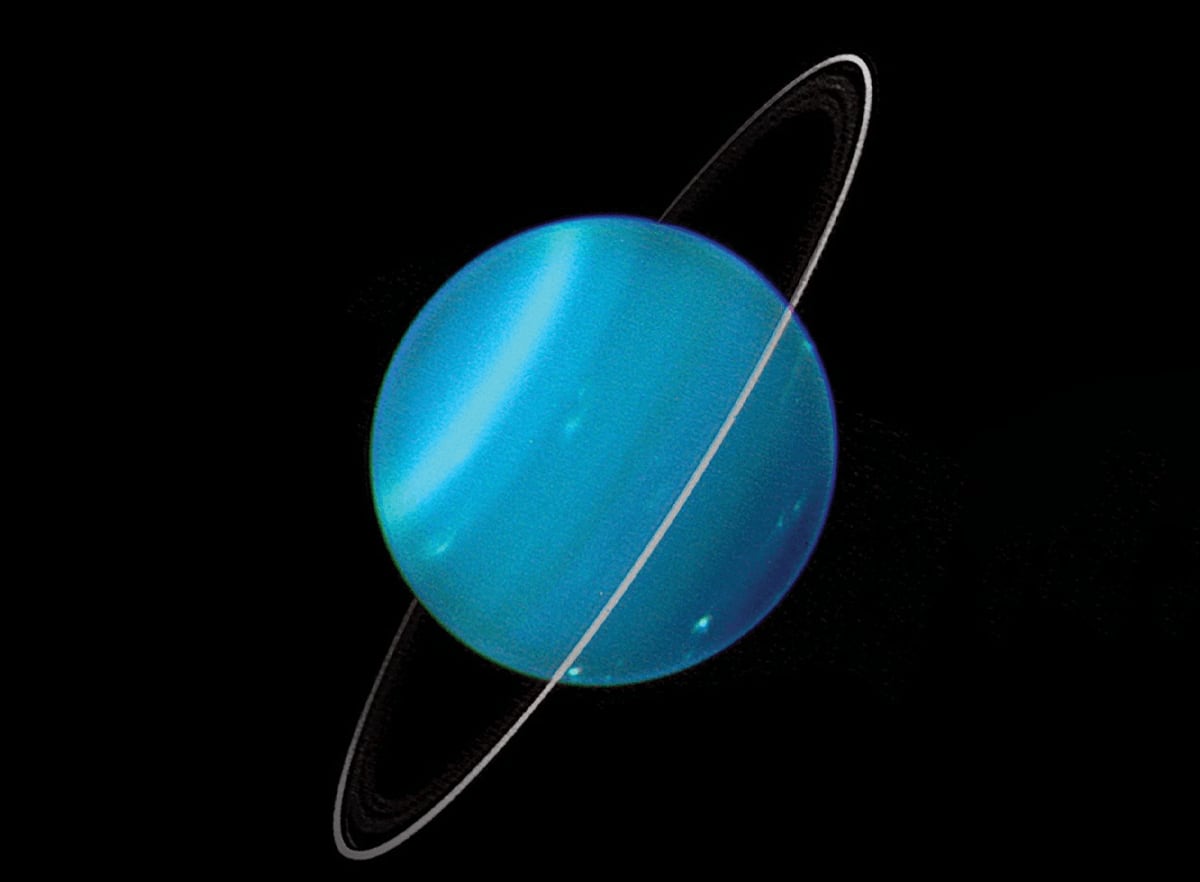
Voyager 1 and Voyager 2 blasted off from Florida in 1977 with a simple five-year mission to study Jupiter, Saturn, Uranus, and Neptune. Nearly half a century later, they're still going strong more than 15 billion miles from Earth, floating through interstellar space where no probe has ventured before.
Last week, NASA announced it powered down another scientific instrument on Voyager 1 to conserve energy. The spacecraft runs on decaying plutonium, not solar panels, and that power source naturally weakens over time. Engineers have been carefully managing which instruments stay on, prioritizing the data that matters most.
The twins have already sent back groundbreaking information about the outer planets and their moons. They captured humanity's closest looks at Saturn's rings, Jupiter's storms, and the mysterious worlds at the edge of our solar system. After completing those flybys in 1990, they just kept going.
NASA engineers are now running tests this year that could extend the Voyagers' lifespans into the 2030s. The team monitoring these aging robots told reporters they're pushing to reach the 50th anniversary of their launches in 2027.
Why This Inspires
Every day the Voyagers survive represents a triumph of human ingenuity and careful planning. The engineers who built these spacecraft in the 1970s created something so robust, so cleverly designed, that it continues performing decades beyond expectations.
The data streaming back on the 23-hour journey to Earth reveals secrets about interstellar space that scientists never anticipated studying. Each transmission from these distant pioneers could contain insights we didn't know to look for when they launched.
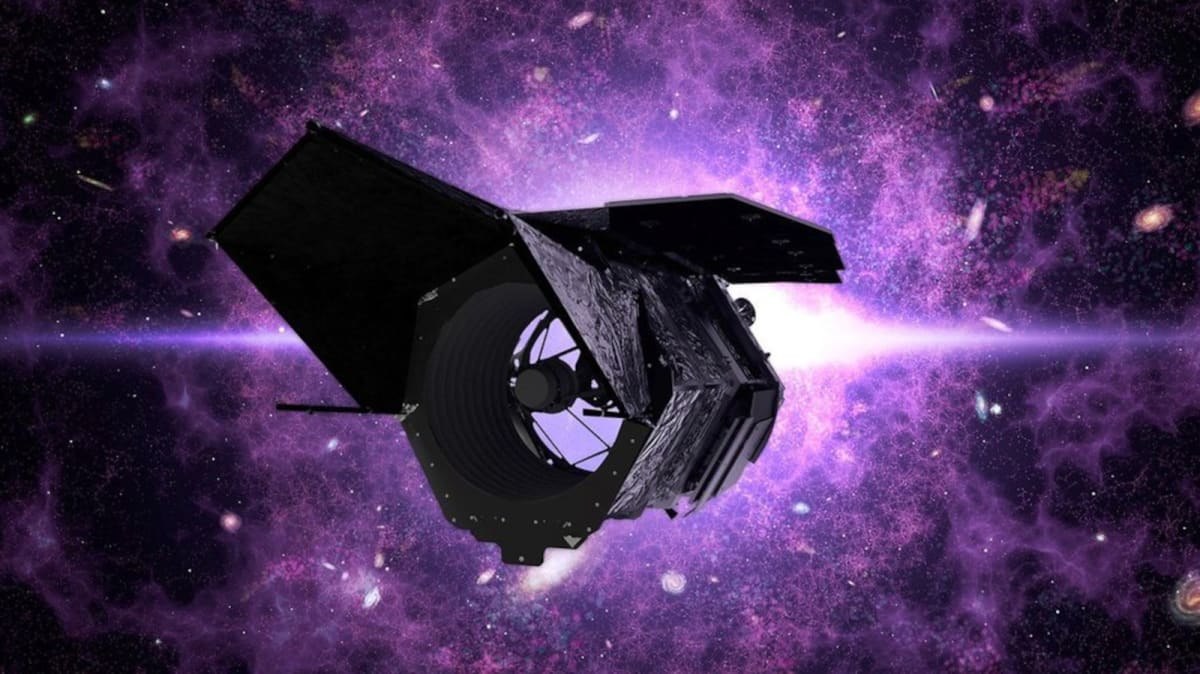
Meanwhile, newer telescopes like the James Webb Space Telescope and the Vera C. Rubin Observatory in Chile are capturing stunning images of distant galaxies and nebulae. NASA's Nancy Grace Roman Space Telescope, launching in September 2026, will add even more power to humanity's cosmic vision. The Voyagers paved the way for this golden age of space exploration.
These plucky robots prove that sometimes the best investments pay dividends for generations, and that human curiosity can travel farther than we ever imagined possible.
More Images
Based on reporting by Google News - Science
This story was written by BrightWire based on verified news reports.
Spread the positivity!
Share this good news with someone who needs it