NASA Discovers 3 Planets With Orbits Changing in Real Time
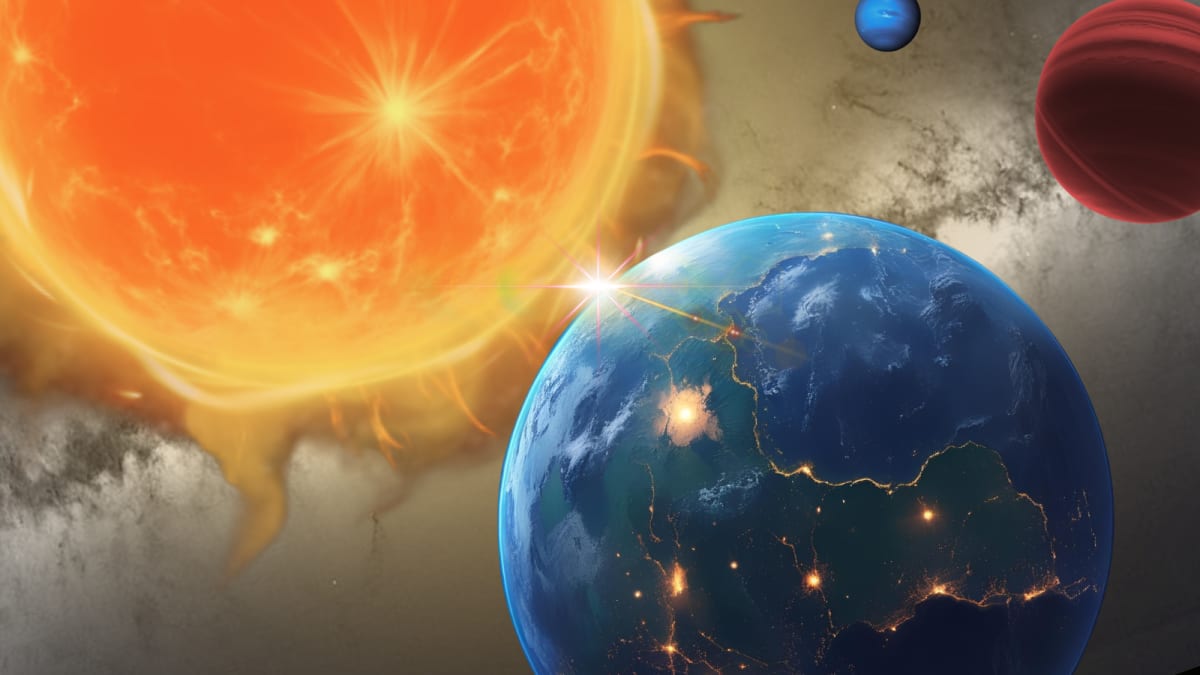
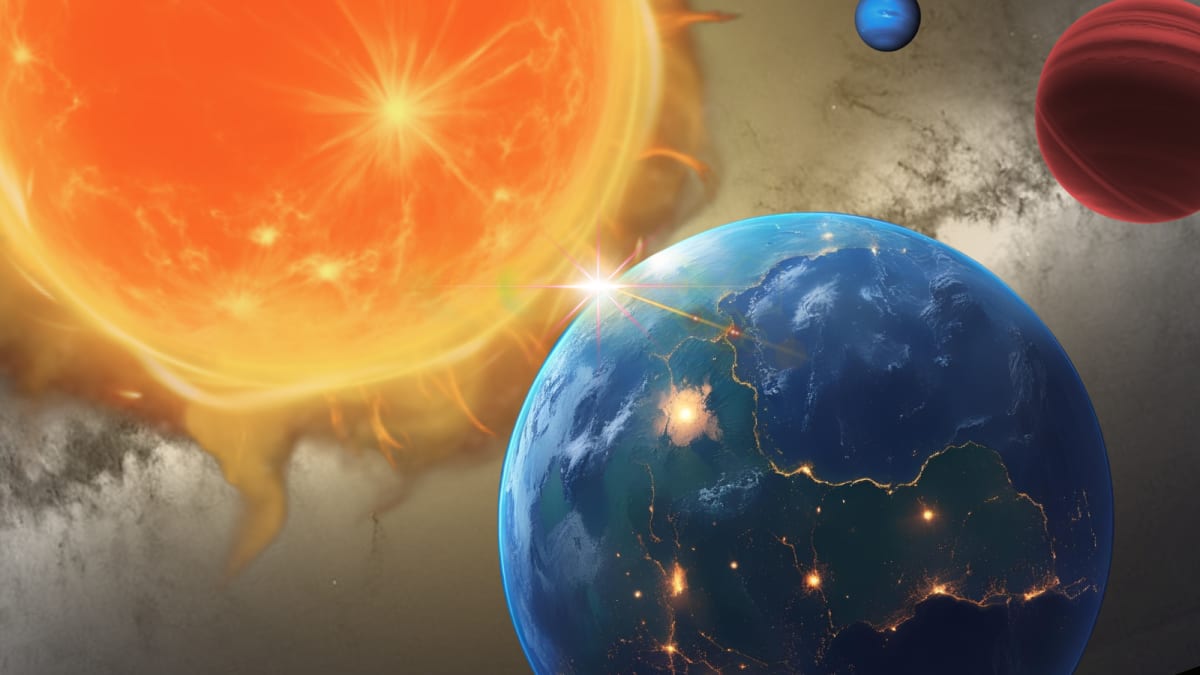
Scientists have found a planetary system 370 light-years away where the planets' orbits are shifting so rapidly that astronomers can actually watch the changes happen. Unlike anything seen before, this rare system is giving researchers a front-row seat to how planets reorganize after formation.
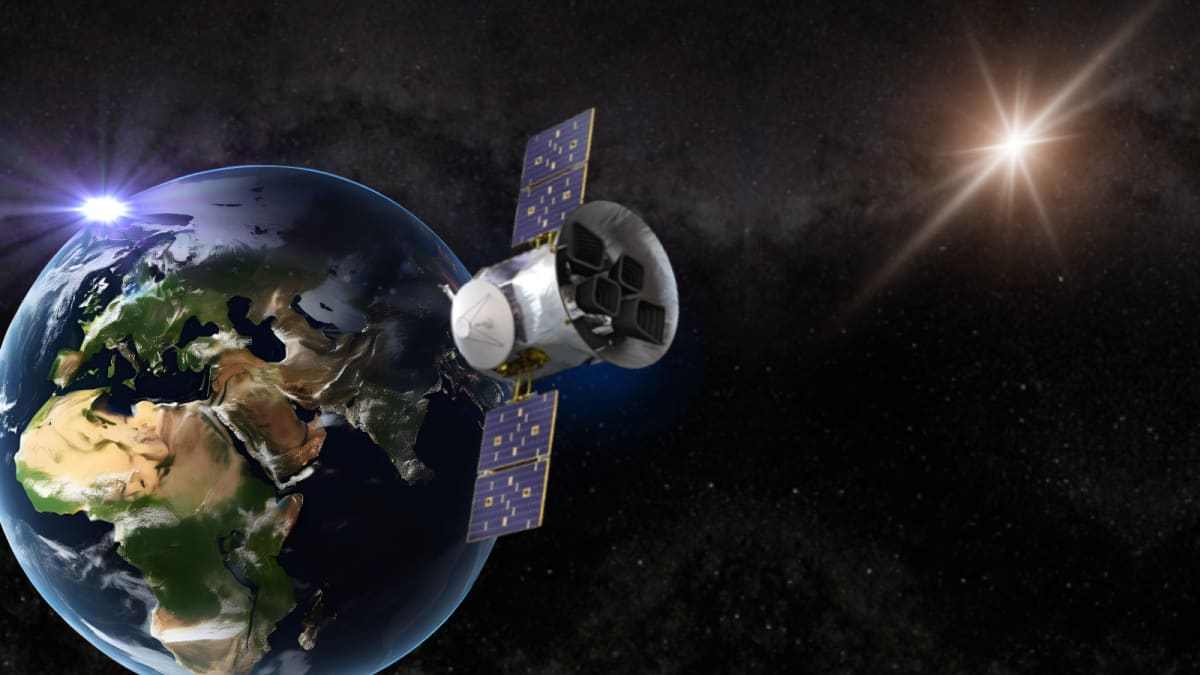
Astronomers using NASA's TESS spacecraft have discovered something extraordinary: a planetary system where the orbits are changing right before their eyes.
The three planets circling the star TOI-201, located 370 light-years from Earth, are gravitationally tugging on each other so intensely that their paths around the star are shifting noticeably over just years instead of millions of years. One planet recently started crossing in front of its star a full half hour later than expected, completely surprising the research team.
"Usually, planets are like metronomes with each transit in front of the star happening exactly one orbital period after another," explained Amaury Triaud from the University of Birmingham. "However, we were following TOI-201b, and suddenly the planet started transiting about half an hour late."
The planetary trio couldn't be more different from each other. The innermost world is a rocky super-Earth six times heavier than our planet, whipping around its star every 5.8 days. The middle planet is a gas giant half the size of Jupiter with a 53-day orbit, while the outer giant weighs 16 times more than Jupiter and takes nearly 8 years to complete one lap.
That outer giant is the troublemaker. Its highly tilted and elongated orbit creates gravitational chaos, pulling on its inner siblings and warping their paths. This unusual arrangement stands in stark contrast to most planetary systems, where worlds tend to orbit in tidy, circular paths like peas in a pod.
Why This Inspires
This discovery isn't just about three unusual planets. It's a time machine showing us planetary systems in action during a critical phase most astronomers never get to witness.
"This points to some active orbital reorganisation within the system, providing us a glimpse of what happens shortly after planet formation," said astronomer Tristan Guillot. The team predicts that in just 200 years, the planets won't even line up to cross their star's face anymore.
The breakthrough came from an unlikely hero: a telescope perched on a glacier at Antarctica's Concordia Station, one of Earth's most isolated places. The long polar nights allowed researchers to track the outer planet's rare transit, which helped unlock the mystery of the whole system's strange behavior.
Scientists from around the world collaborated to piece together observations, and their findings appeared in the journal Science on April 15. Understanding how this system evolved could reveal crucial insights about how our own solar system formed billions of years ago.
In 200 years, this cosmic dance will look completely different, reminding us that even in the vastness of space, change happens faster than we think.
More Images

Based on reporting by Google: NASA discovery
This story was written by BrightWire based on verified news reports.
Spread the positivity!
Share this good news with someone who needs it