NATO Backs Satellite Startup After First Launch Failed
A British startup that lost its first satellite is getting $41 million from NATO and investors to launch a heat-detecting space constellation. The technology reveals hidden activity on the ground that regular satellites can't see.
A space startup is getting a second chance after losing its first satellite, with new funding that could transform how we monitor everything from disaster relief to energy use.
SatVu, a British Earth observation company, announced February 17 that it raised $41 million to build a constellation of satellites that detect heat from space. The NATO Innovation Fund joined the investment round, signaling growing interest in technology that can spot activity invisible to regular cameras.
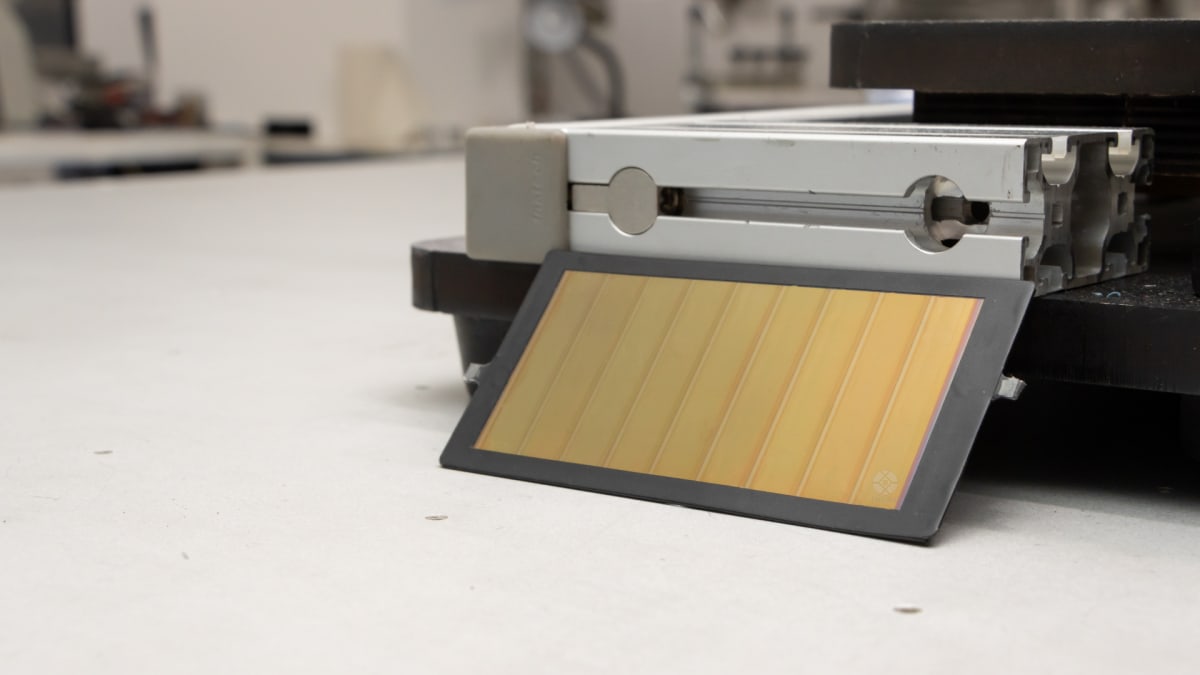
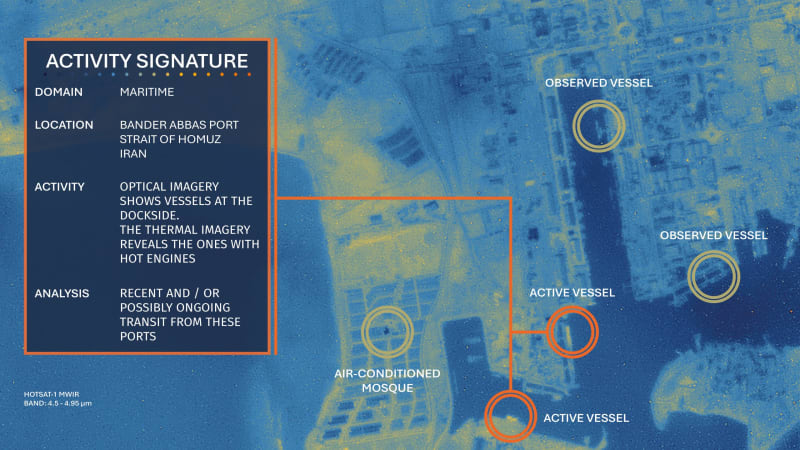
The company's first satellite, HotSat-1, launched in June 2023 and worked beautifully for six months before failing. But those six months proved the concept: capturing thermal images sharp enough to see individual buildings warming up or cooling down, day or night, through clouds or darkness.
Now SatVu plans to launch two new satellites this year, with contracts signed for three more. The goal is a nine-satellite network providing up to 20 daily snapshots of any location on Earth.
What makes thermal imaging different from regular satellite photos? It shows what's actually happening, not just what things look like. A factory might appear empty in a photo, but thermal sensors reveal if the machinery is running hot. Emergency responders could spot people in collapsed buildings by their body heat.
"This allows governments to assess activity, readiness, and operational change," said SatVu CEO Anthony Baker. The technology provides critical information for defense, security, and decision-making that wasn't available before.
The timing reflects growing recognition that this capability matters. Just last week, the U.S. National Reconnaissance Office added SatVu to its roster of vendors being tested for intelligence missions. German competitor constellr raised $44 million the same week for similar technology.
Why This Inspires
What stands out here isn't just the technology. It's the resilience. Many startups would fold after losing their first satellite. Instead, SatVu's team used those six months of data to prove their concept worked, then convinced major investors including NATO to double down.
The applications extend far beyond defense. Thermal imaging from space could help cities track energy waste in buildings, monitor volcanic activity before eruptions, or verify that power plants and factories comply with environmental regulations. Financial markets could get better data on commodity production and supply chains.
Investors clearly see the potential. SatVu's funding was led by existing backer Molten Ventures, with Lockheed Martin and eight other investors joining. That vote of confidence from people who've already put money in speaks volumes.
The company now has $82 million in total funding and a clear path forward. Two satellites are ready to launch, built by the same UK firm that made the first one. Learning from that failure means the next generation should be even more reliable.
Sometimes the best innovations come from learning what went wrong and trying again.
More Images


Based on reporting by SpaceNews
This story was written by BrightWire based on verified news reports.
Spread the positivity!
Share this good news with someone who needs it