Nature Adapts Faster Than Scientists Expected, Study Finds
Plants are evolving at record speed to survive climate change, and "invasive" species we try to eliminate may actually be helping biodiversity bounce back. A new book challenges ecologists to stop fighting nature's resilience.
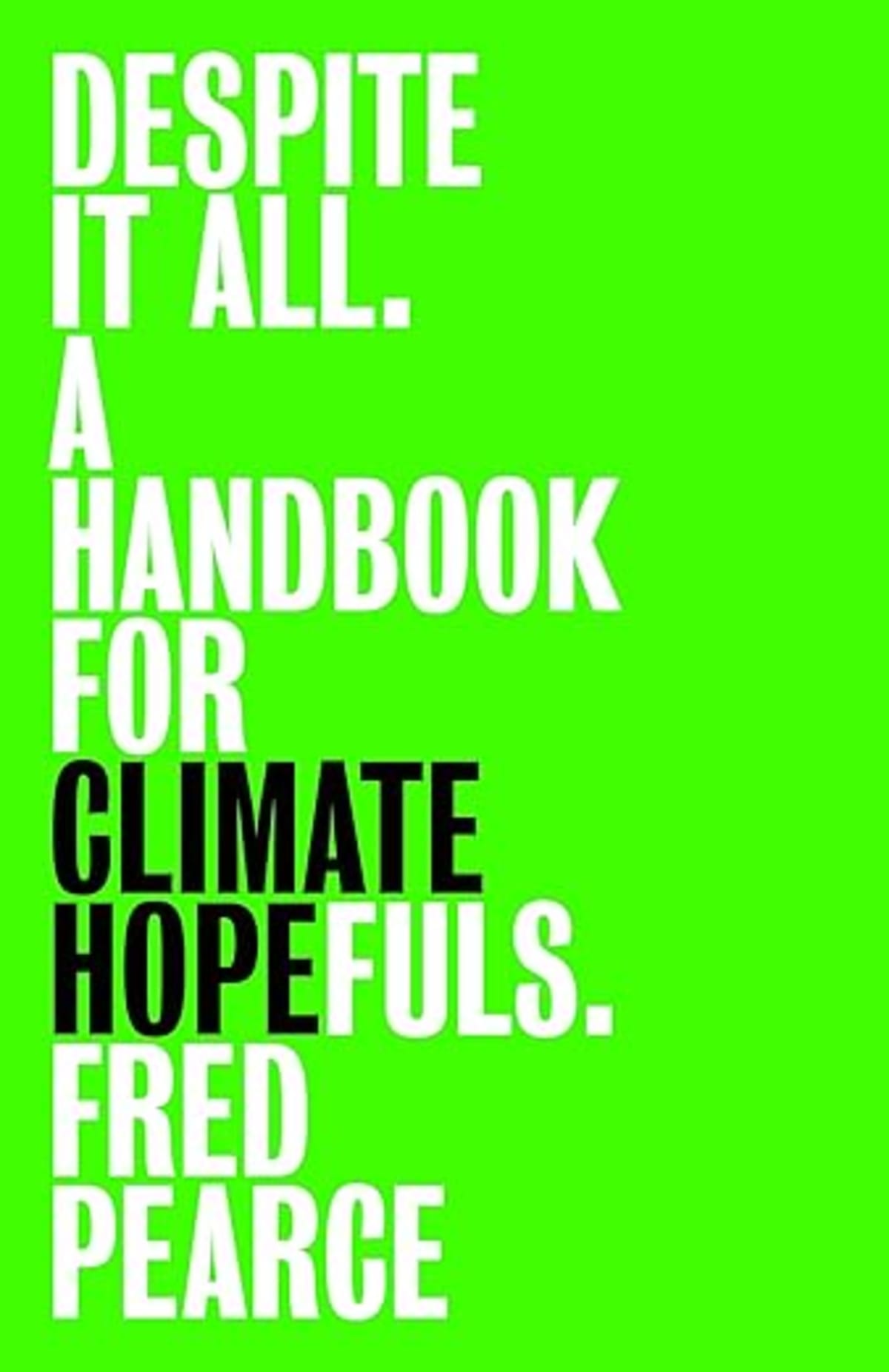
Scientists have long warned about biodiversity collapse, but nature might be more adaptable than we thought. In his upcoming book "Despite it All," journalist Fred Pearce reveals that plants are evolving faster than ever in response to environmental changes, and the species we label as "invasive" could be nature's first responders.
The discovery challenges decades of conservation thinking. Ecologist Chris Thomas from the University of York points out that official biodiversity counts in Britain show decline, but that's only because scientists don't count new species that arrive from elsewhere. When you add up all the gains and losses, Britain actually has more species now than before.
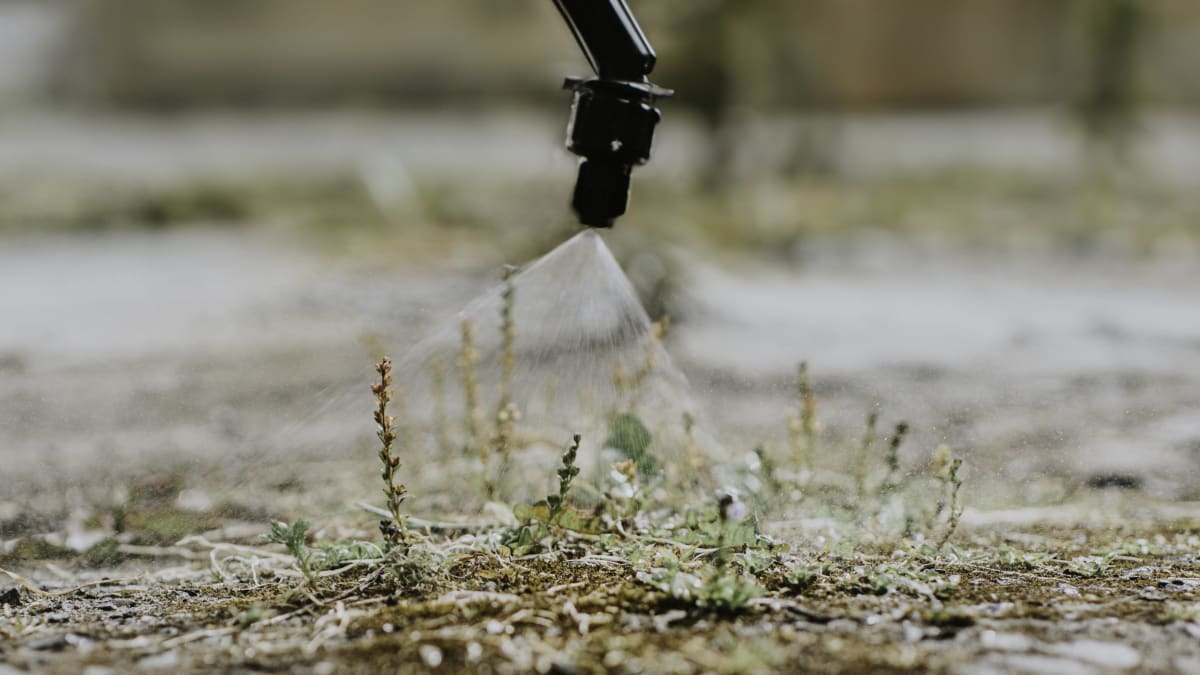
Those "alien" plants we spend millions trying to eradicate might be doing important work. They're often the first movers in ecological recovery, eating and being eaten, pollinating flowers, and breaking down to feed new organisms. Many eventually make way for more diverse ecosystems, even if they look different from what was there before.
The research goes further. Environmental scientist Erle Ellis argues that most of Earth has been shaped by humans for thousands of years, including places like the Amazon we consider pristine. The most biodiverse places on the planet are often where people have lived the longest, creating changing mosaics of habitats where species thrive.
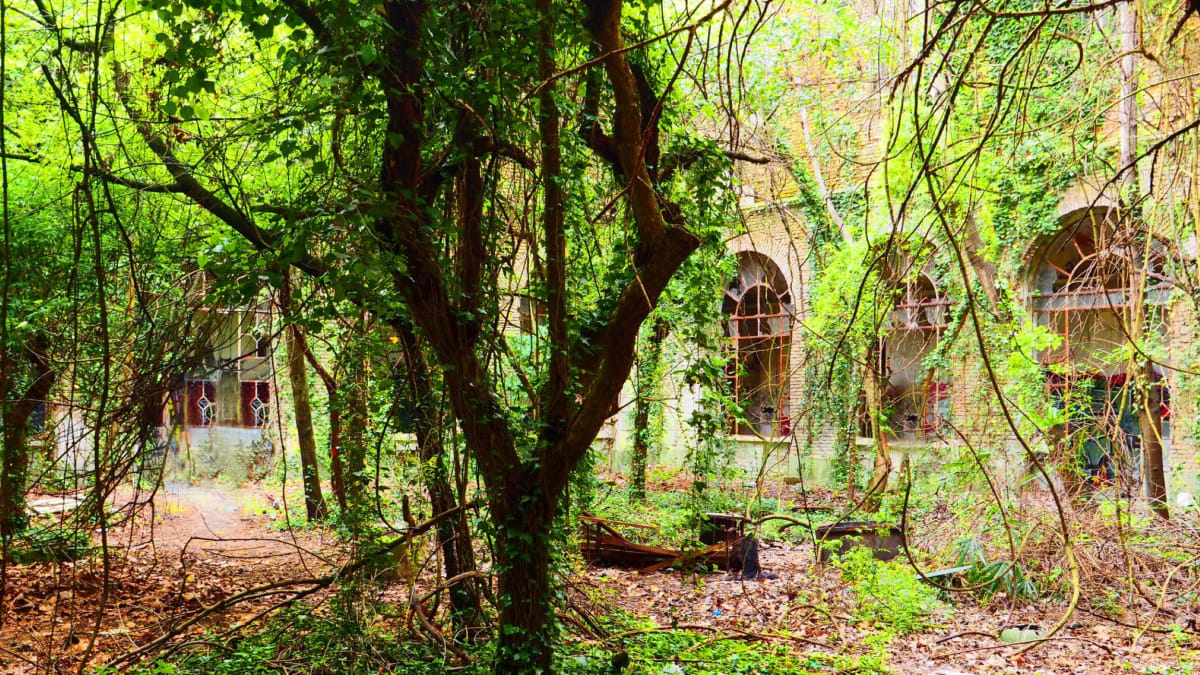
British naturalist Richard Mabey celebrates these "outlaw plants" in his work on weeds, showing how they've shaped civilization by becoming crops, medicines, and sources of beauty. The abandoned Nanhu Apartments in China, now completely overtaken by vegetation, show what happens when we step back and let nature take over.
The Bright Side
This isn't about ignoring real threats or welcoming every invasive pest. It's about recognizing that nature has remarkable recovery powers we've been too quick to dismiss. When we fight every change and spend fortunes eliminating new arrivals, we might be working against the very biodiversity we're trying to save.
Thomas himself published a famous 2004 paper warning climate change could wipe out a quarter of species this century. Twenty years later, he hasn't changed that forecast, but he's added something hopeful: despite extinctions ahead, the chaos of our changing world is turbocharging evolution itself. Every environmental shake-up creates opportunities for species to adapt or new ones to evolve.
The message for conservation is clear. We need to be as adaptable as nature itself and let go of romantic notions about pristine environments that may never have existed. Wastelands, abandoned fields, and overgrown lots aren't ecological failures but laboratories where tomorrow's ecosystems are taking shape.
Nature is moving on with or without our approval, and that resilience might be exactly what we need.
More Images

Based on reporting by Live Science
This story was written by BrightWire based on verified news reports.
Spread the positivity!
Share this good news with someone who needs it