Nebraska Town Plans Wind Energy Around Bird Migration
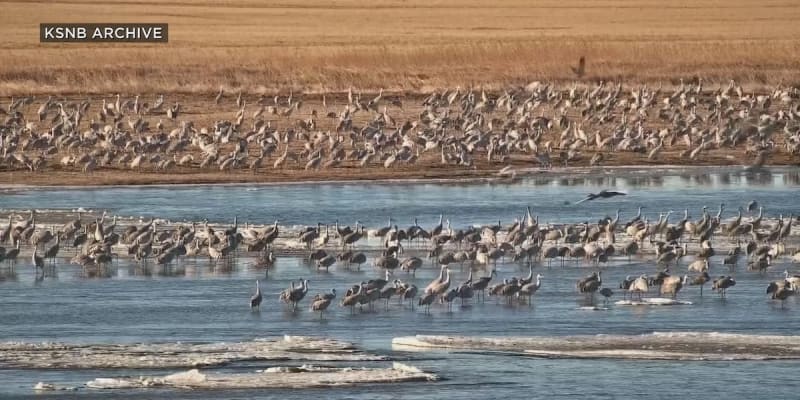
A Nebraska community is proactively studying how to protect millions of migrating birds before building wind turbines. Local officials brought in experts to ensure renewable energy development doesn't harm the 80% of the world's sandhill cranes that pass through each spring.
Kearney County, Nebraska is showing how clean energy and wildlife protection can work together by planning ahead instead of fixing problems later.
The county's zoning commission invited University of Nebraska-Lincoln expert John Hay to educate residents about wind turbine impacts on birds before any turbines get built. The presentation at the Minden fairgrounds drew concerned locals and visiting birdwatchers eager to protect one of nature's most spectacular events.
Nebraska sits along the Central Flyway, a major bird highway where over a million sandhill cranes pass through annually. That represents 80% of the entire world's population of these magnificent birds making their spring journey north.
Marcos Stoltzfus, director at the nearby Rowe Sanctuary, shared important research findings. Studies show whooping cranes, an endangered species, avoid wind turbines by staying about six miles away from them.
"Depending on where those generators are placed, they could have a huge impact on that crane's ecosystem," Stoltzfus explained. His message centered on thoughtful planning rather than opposition to renewable energy.
The education session acknowledged that window collisions and outdoor cats kill more birds than wind farms according to Yale School of the Environment research. But when it comes to endangered species traveling narrow migration routes, every precaution matters.
Hay emphasized that protecting endangered species requires extra attention beyond simple numbers. The type of bird affected matters as much as how many are impacted.
Jim and Barb Nelson travel from South Dakota each year to witness the crane migration. They represent thousands of nature tourists drawn to the region for this annual spectacle, bringing economic benefits to local communities.
The Bright Side
This proactive approach shows rural communities embracing both environmental responsibility and renewable energy. By studying bird behavior before construction begins, planners can position turbines where they generate clean power without disrupting critical wildlife corridors.
The conversation happening in Kearney County demonstrates that protecting nature and fighting climate change aren't opposing goals. Careful planning allows both to succeed together.
When communities take time to understand their ecosystems first, they create solutions that benefit everyone for generations to come.
Based on reporting by Google News - Wind Energy
This story was written by BrightWire based on verified news reports.
Spread the positivity!
Share this good news with someone who needs it
%2Ffile%2Fattachments%2Forphans%2Fozz1astreetmuralpromotingrhinoconservationinthetownofHluhluweKwaZuluNatalimagetonycarnie_225511.jpg)