Neighborhoods Built Around Working Farms Sprout Across U.S.
Communities are designing entire neighborhoods around central working farms, combining fresh food production with housing, shops, and green space. These "agrihoods" could help cities fight heat, reduce flooding, and boost food security as climate challenges grow.
Imagine living in a neighborhood where a working farm sits at the heart of your community, growing fresh vegetables just steps from your front door. That's the idea behind agrihoods, and they're popping up across America.
These neighborhoods flip the traditional suburban layout on its head. Instead of a golf course or fountain, residents gather around fields of tomatoes, cucumbers, and peppers that actually feed the community.
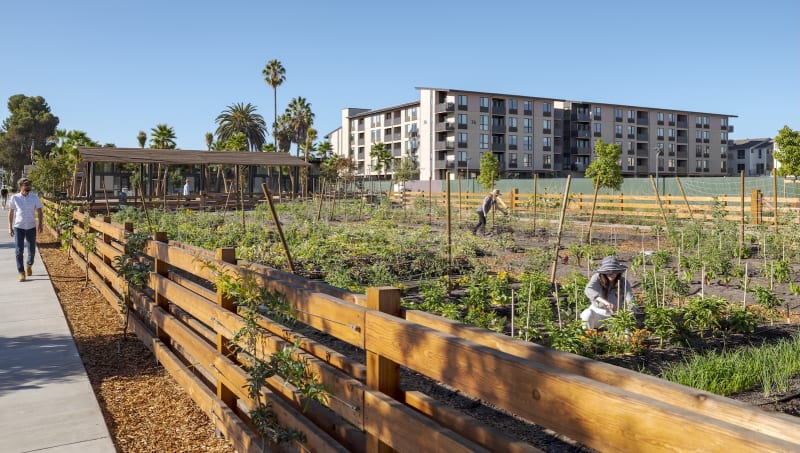
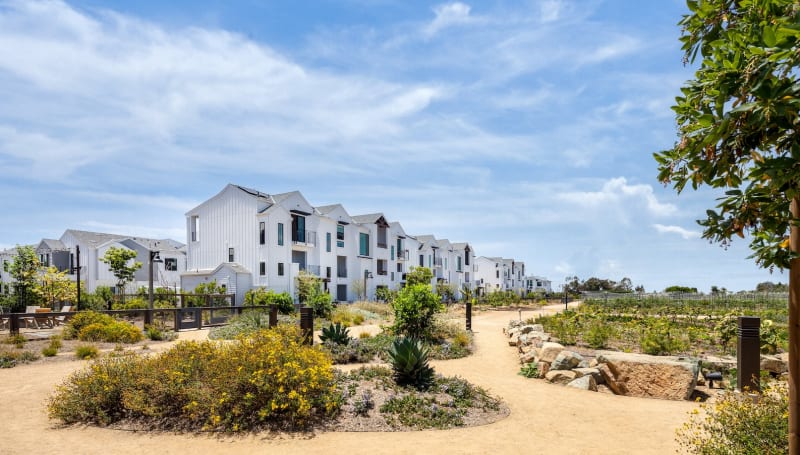
California recently finished two agrihoods that show how the concept works. One in Santa Clara near San Francisco combines townhouses and affordable housing with a community farm and retail shops. Another in Encinitas near San Diego adds a farm-to-table restaurant and grocery store stocked with produce grown on site.
"Two different housing programs for two different communities, but built around the sustainability of urban farming," said Vincent Mudd, a partner at architectural firm Steinberg Hart, which designed both projects.
The farms do more than just look pretty. Green spaces help cities handle heavier rainstorms by soaking up water that would otherwise flood streets. Plants and soil also cool neighborhoods during heat waves, a growing concern as summers get hotter.
The farms focus on small, high-yield crops that pack nutritional punch. At Santa Clara, Persian cucumbers and cherry tomatoes win out over space-hogging pumpkins. Speed matters too. Arugula grows back fast after harvest, bringing fresh greens to market multiple times per season.
Water poses the biggest challenge. The Santa Clara agrihood collects rainwater in a tower, which covers most irrigation needs through summer. When rain falls short, city water fills the gap, though that adds costs.
The Ripple Effect
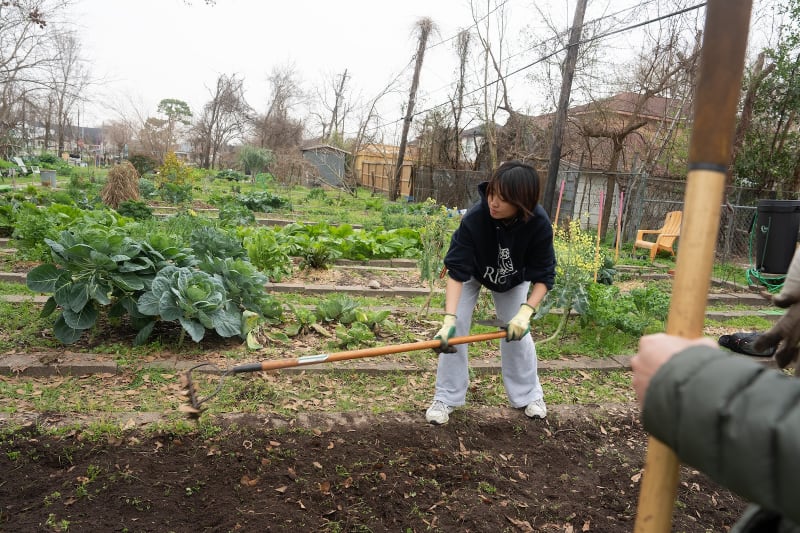
One study found Los Angeles could meet a third of its vegetable needs by converting vacant lots into gardens. Scale that vision across multiple cities, and agrihoods become part of a larger solution to urban food security.
"It's incredible what we could do with what we have, and what we could do even more with intentional planning," said Catherine Brinkley, a social scientist studying urban agriculture at UC Davis.
The model works in different income brackets too. Mudd says cities can adjust zoning to accommodate agrihoods because they preserve jobs, generate tax revenue, and provide mixed-income housing.
Farm manager Greg Reese grows food 11 months a year at Fox Point Farms thanks to Southern California's mild climate. The constant harvest keeps the grocery store stocked with produce that traveled feet, not miles.
These neighborhoods prove that cities can grow food, house families, and build resilience at the same time.
More Images

Based on reporting by Grist
This story was written by BrightWire based on verified news reports.
Spread the positivity!
Share this good news with someone who needs it