Nepal Village Demands Vote on $190M Dam Project
Indigenous Tamang residents in Mulkharka discovered a massive dam planned near their homes and are now turning their opposition into a ballot box issue. Their grassroots campaign shows how communities can demand a voice in development decisions that affect their future.
When Ashok Tamang walked into Sonam Choeling Monastery in July 2023, he had no idea his community's fate hung in the balance. A projector screen flickered to life, revealing plans for a 311-foot dam that would reshape everything he knew about home.
The meeting was the first time most Mulkharka residents had heard about the Nagmati Dam, a $190 million project proposed for their settlement on Kathmandu's northern edge. Officials spoke of progress: better roads, new business opportunities, solutions to the capital's water shortage. What they didn't mention were the risks that would come to light later.
Now, as Nepal prepares for parliamentary elections in March, these Indigenous Tamang residents are writing a new chapter in community-led democracy. They're demanding the dam be debated at the ballot box, not decided behind closed doors.
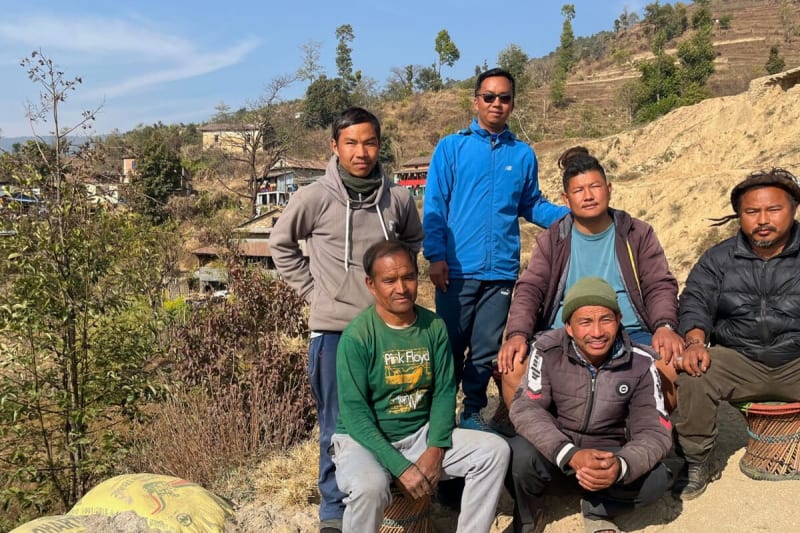
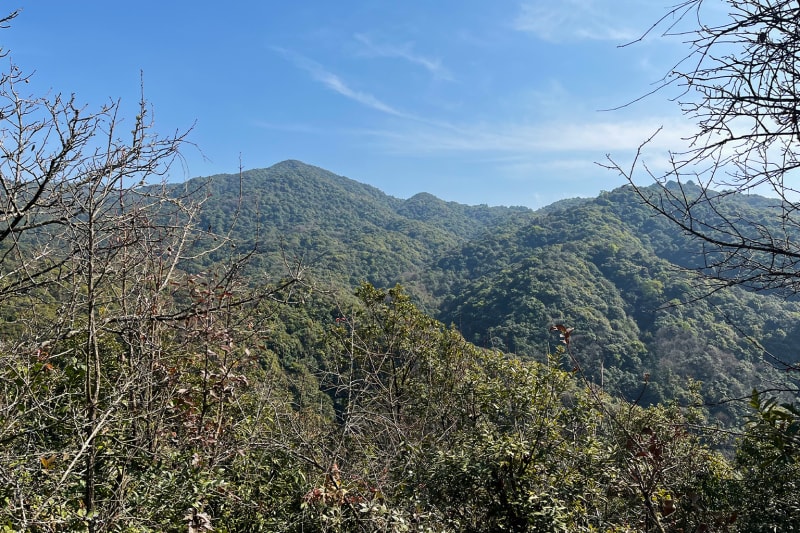
Mulkharka sits within Shivapuri Nagarjun National Park, just 45 minutes from Kathmandu's bustling temple district, yet it feels worlds away. The Tamang people, who make up 66% of the settlement's 2,042 households, have deep roots here, with livelihoods and spiritual practices tied to the surrounding forests.
When residents learned the full scope of the project—including estimates of up to 80,000 trees marked for felling and potential displacement—they organized. Kul Bahadur Tamang and his neighbors started asking harder questions about environmental assessments, community consent, and what "development" really means when it comes at such a cost.
Why This Inspires
What makes this story powerful isn't just that a community said no to a project they didn't choose. It's that they're channeling their opposition into democratic participation. Instead of being sidelined, Mulkharka residents are demanding their concerns become election issues, pushing candidates to address development models that prioritize community consent and ecological safety.
Their campaign joins a growing movement across Nepal where Indigenous communities are insisting on having a say in projects that affect their land. From the Newa people of Khokana to the Yakthung community in eastern Nepal, citizens are transforming local resistance into broader conversations about who gets to decide the future.
The Mulkharka residents aren't rejecting progress—they're redefining it. They're asking: What good is a dam that provides water to Kathmandu if it displaces the people who've stewarded these forests for generations? Can infrastructure truly be called development if the community it affects never gave consent?
As election season approaches, Ashok Tamang and his neighbors are turning their monastery meetings into organizing hubs, their concerns into campaign issues, and their voices into votes. They're proving that democracy works best when communities demand to be heard—and candidates have no choice but to listen.
Their message to Nepal's political hopefuls is clear: development without consent isn't progress; it's imposition.
More Images

Based on reporting by Mongabay
This story was written by BrightWire based on verified news reports.
Spread the positivity!
Share this good news with someone who needs it