New Alzheimer's Drug Reverses Memory Loss in Mice
Scientists in Spain have developed a breakthrough compound that doesn't just slow Alzheimer's disease but actually reverses memory loss and cognitive decline in mice. The drug works differently than current treatments by targeting the root genetic causes instead of just clearing protein plaques.
For the first time, researchers have reversed cognitive decline from Alzheimer's disease in animal models, offering genuine hope for millions of families touched by dementia.
Scientists at the University of Barcelona have created a compound called FLAV-27 that takes an entirely new approach to fighting Alzheimer's. Instead of targeting the telltale protein plaques that mark the disease, it goes deeper to fix the underlying genetic problems that allow those plaques to form in the first place.
The results surprised even the research team. In mice with Alzheimer's, FLAV-27 restored lost memories, brought back normal social behavior, and repaired the connections between brain cells that had been damaged by the disease.
Current Alzheimer's drugs like lecanemab and donanemab represent important progress, but they only slow cognitive decline by about 30 percent and must be started early. They work by clearing protein clumps from the brain, but many scientists now believe these proteins are symptoms rather than the true cause of Alzheimer's.
FLAV-27 works by blocking an enzyme called G9a that silences genes critical for memory, learning, and healthy brain cell function. When this enzyme is overactive in Alzheimer's patients, it shuts down genes the brain needs to work properly.
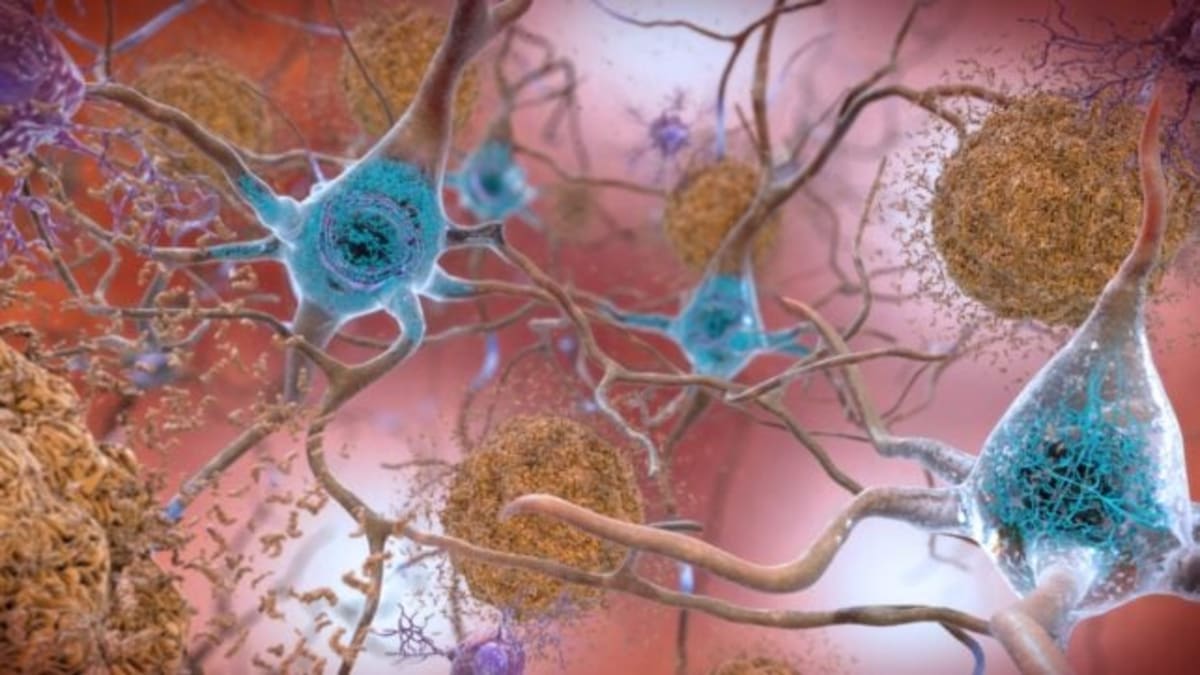
The compound showed benefits across multiple species. In tiny worms called C. elegans, it improved movement, extended lifespan, and boosted cellular energy production. In lab-grown mouse brain cells, it reduced both amyloid plaques and tau tangles, the two main protein problems in Alzheimer's.
Lead researcher Aina Bellver-Sanchis explains that FLAV-27 represents a fundamentally new strategy. "It acts not only on symptoms or a single pathological biomarker, but directly on the underlying molecular mechanisms," she says.
The Bright Side
The reversal of cognitive decline suggests scientists may have been looking at Alzheimer's from the wrong angle. If genetic dysregulation is the real driver, fixing it could address multiple aspects of the disease at once rather than targeting proteins one at a time.
This epigenetic approach could open doors for treating other brain diseases too. The same genetic regulation problems appear in conditions from depression to schizophrenia, meaning insights from Alzheimer's research might help millions more people.
FLAV-27 still faces years of safety testing before human trials can begin, including toxicology studies in different animal species. But the mouse results offer something families haven't had in decades of Alzheimer's research: evidence that lost function can actually come back.
For now, this represents hope grounded in solid science rather than empty promises.
More Images

Based on reporting by Google News - New Treatment
This story was written by BrightWire based on verified news reports.
Spread the positivity!
Share this good news with someone who needs it