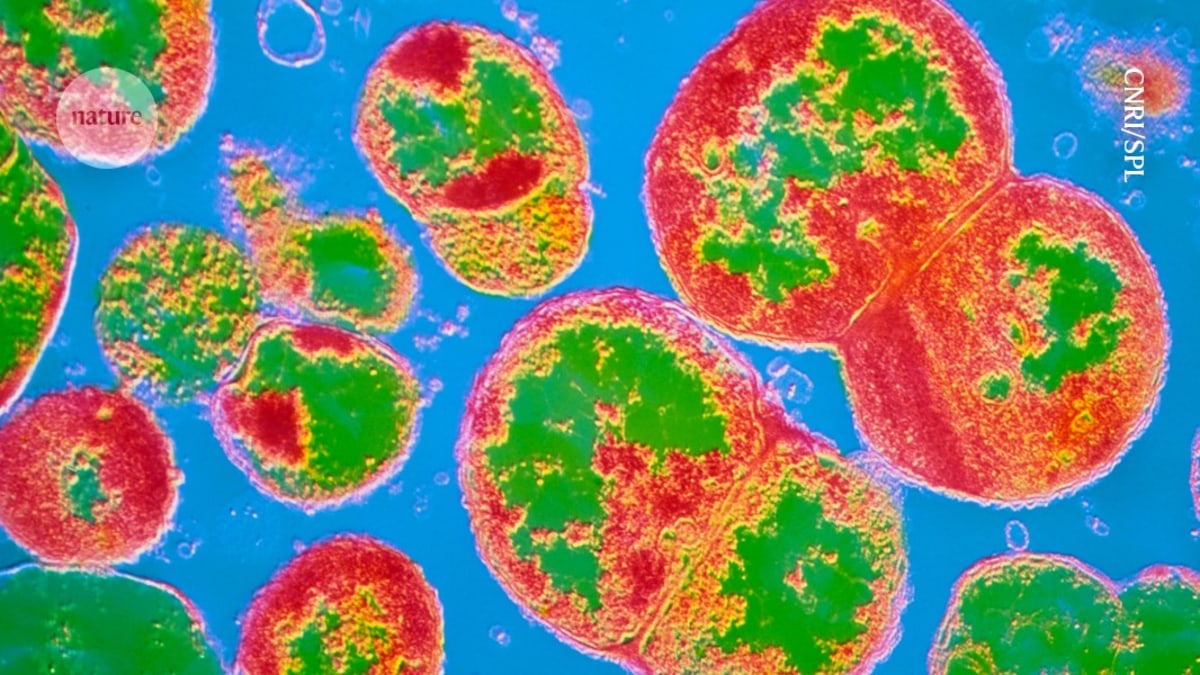
New Antibiotic Targets Drug-Resistant Gonorrhea
A partnership between GARDP and Debiopharm is advancing a promising new antibiotic to fight gonorrhea strains that no longer respond to existing treatments. This breakthrough could protect millions from a growing global health threat.
Scientists just took a major step forward in the fight against a sexually transmitted infection that's been outsmarting our best medicines.
The Global Antibiotic Research and Development Partnership (GARDP) has teamed up with pharmaceutical company Debiopharm to develop Debio 1453, an investigational antibiotic designed to combat drug-resistant gonorrhea. The disease infects an estimated 82 million people worldwide each year, and many strains have become resistant to nearly all available antibiotics.
This isn't just another laboratory experiment. The collaboration brings together GARDP's expertise in developing treatments for drug-resistant infections with Debiopharm's advanced antibiotic research, moving the medication closer to patients who desperately need new options.
Drug-resistant gonorrhea has been classified by the World Health Organization as a high-priority threat. When left untreated due to antibiotic resistance, the infection can cause serious complications including infertility, increased HIV risk, and in rare cases, life-threatening infections that spread throughout the body.
Why This Inspires
What makes this partnership particularly encouraging is the commitment to accessibility. GARDP operates as a not-for-profit organization focused on ensuring new antibiotics reach everyone who needs them, not just those who can afford premium prices.
The development of Debio 1453 represents years of dedicated research into how bacteria develop resistance and how new molecular structures can overcome those defenses. Dr. David Cameron, senior scientist in translational pharmacology at Debiopharm, has been leading efforts to understand exactly how this investigational treatment works against resistant strains.
This collaboration also signals a broader shift in how the medical community approaches antibiotic development. Rather than waiting for pharmaceutical companies to work alone, partnerships between nonprofits and private industry are accelerating the timeline from discovery to patient care.
For the millions of people affected by gonorrhea each year, this advancement offers something that's been in short supply: options. As bacteria continue evolving resistance to existing treatments, having new weapons in the medical arsenal becomes not just helpful but essential.
The partnership demonstrates that when organizations pool their resources and expertise toward a common goal, they can tackle even the trickiest public health challenges with renewed hope.
More Images




Based on reporting by Google News - New Treatment
This story was written by BrightWire based on verified news reports.
Spread the positivity!
Share this good news with someone who needs it