New Atlas Maps 89 At-Risk Bird Species Across Americas
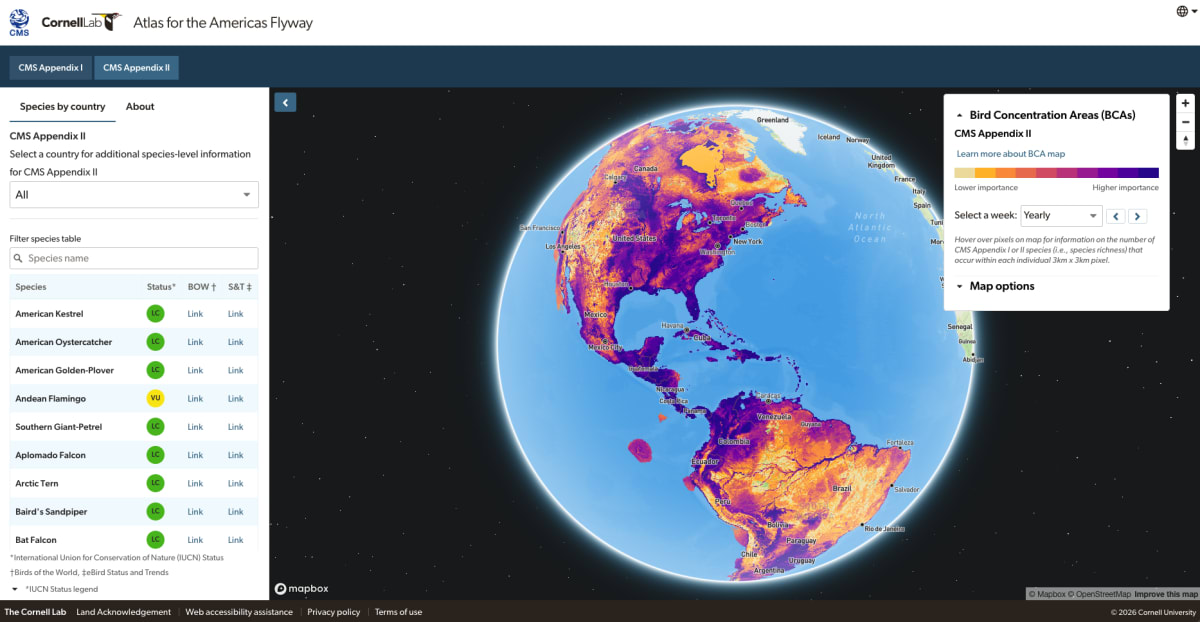
Scientists just released the first detailed map of where 89 threatened migratory birds travel across North, Central, and South America. The free tool helps protect species by showing exactly where they breed, rest, and winter during their incredible journeys.
For the first time ever, scientists can show you exactly where threatened birds travel across three continents during their annual migrations.
The new Atlas for the Americas Flyways tracks 89 at-risk bird species as they journey thousands of miles between breeding grounds in places like Alaska and wintering spots in South America. Released in March with United Nations backing, the free online tool pinpoints the critical stopover locations these birds need to survive.
Researchers at the Cornell Lab of Ornithology created the atlas using 20 years of data from eBird, a citizen science project where everyday birdwatchers log their sightings. That means your neighbor with binoculars helped make this breakthrough possible.
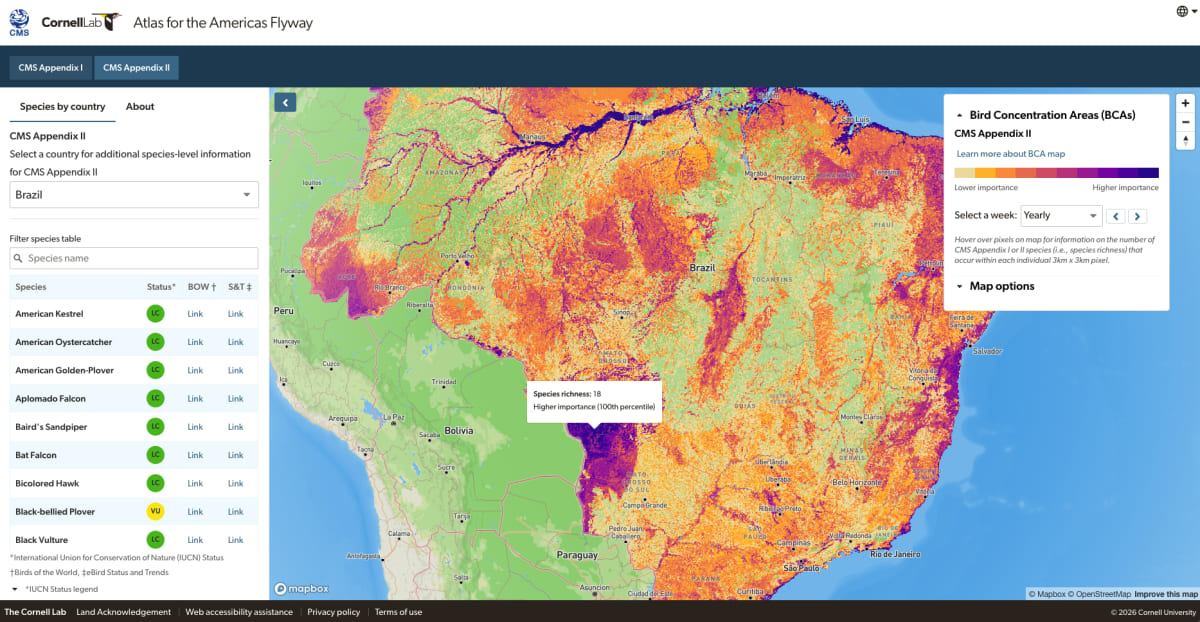
The atlas highlights conservation hotspots that matter most. Central America emerges as the most critical region because it connects North and South America through narrow pathways that funnel migrating birds. Mexico's Yucatán Peninsula serves as both a wintering home and a crucial rest stop for dozens of species heading north.
The Pantanal wetland in Brazil and Paraguay shows up as a principal wintering location for many threatened species. Alaska's breeding grounds also play an outsized role, hosting long-distance migrants that nest in the far north before flying to South America.
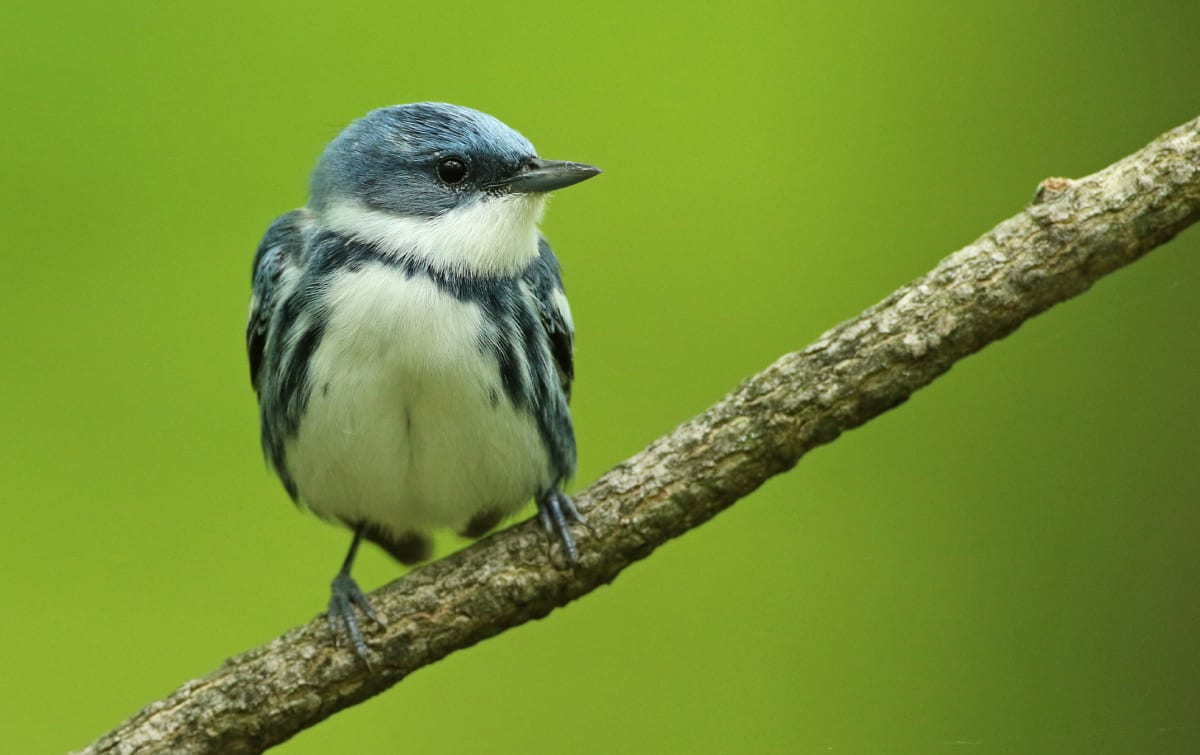
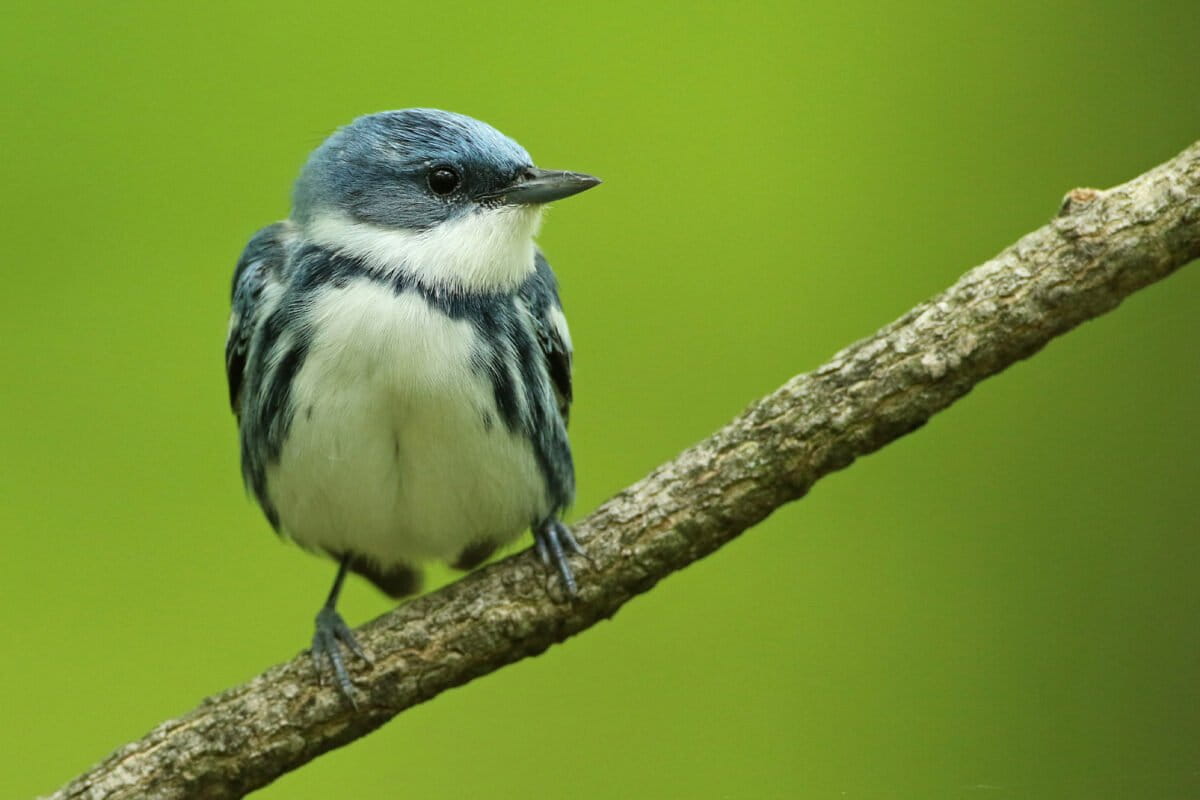
The tool tracks five species at immediate risk of extinction, including the buff-breasted sandpiper and cerulean warbler. Both face rapid population declines from habitat loss at their wintering grounds and stopover sites.
Habitat destruction remains the biggest threat to migratory birds. As of 2025, 61% of all bird species have declining populations, up from 44% in 2016, according to BirdLife International. Agricultural expansion, logging, and urban development continue shrinking the natural spaces birds depend on.
Why This Inspires
This atlas turns abstract conservation into concrete action. Policymakers can now see exactly where to protect land and where not to build infrastructure. Researchers investigating mysterious population declines have a detailed roadmap showing where problems might be occurring along migration routes thousands of miles long.
The project also celebrates something remarkable: millions of regular people contributing observations that inform global conservation policy. Cornell ornithologist Tom Auer calls it exciting proof that citizen science creates real-world impact on how governments make decisions.
The atlas links distant places into one connected story. A bird breeding in Alaska, resting in Central America, and wintering in Brazil needs all three locations protected to survive. When conservationists save the Yucatán forests, they're also helping species that spend most of their lives thousands of miles away.
Anyone can explore the atlas online and follow the incredible journeys these birds make twice each year, connecting the Americas in ways that matter more than ever.
More Images

Based on reporting by Mongabay
This story was written by BrightWire based on verified news reports.
Spread the positivity!
Share this good news with someone who needs it