New Biopesticide Gives Beekeepers Hope Against Varroa Mite
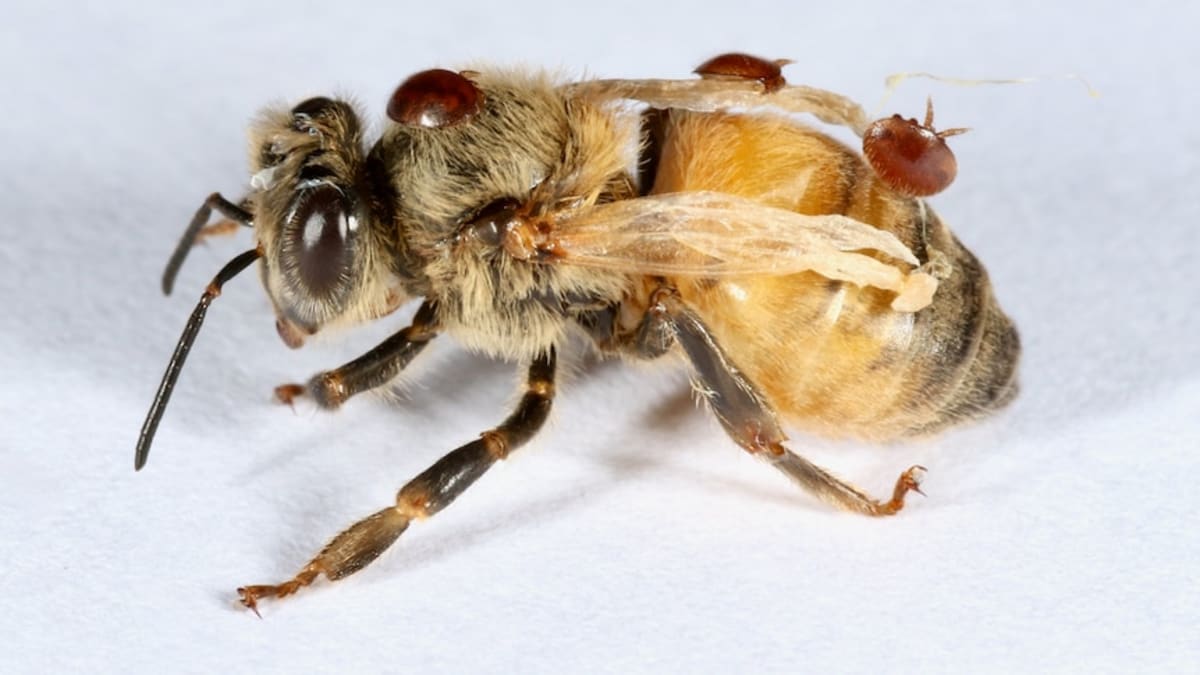
A breakthrough biopesticide could save Australia's struggling beekeepers from a deadly mite that's already wiped out 90% of wild honey bees in some regions. The treatment makes the pests infertile without harming bees, offering hope as resistance to current treatments spreads.
Australian beekeepers finally have reason to hope in their battle against a tiny red killer threatening their entire industry.
Scientists in New Zealand have developed a biopesticide that could revolutionize how Australia fights the varroa destructor mite, a bee-killing pest that's decimated wild honey bee populations since arriving in 2022. The treatment makes the mites infertile without harming the bees themselves.
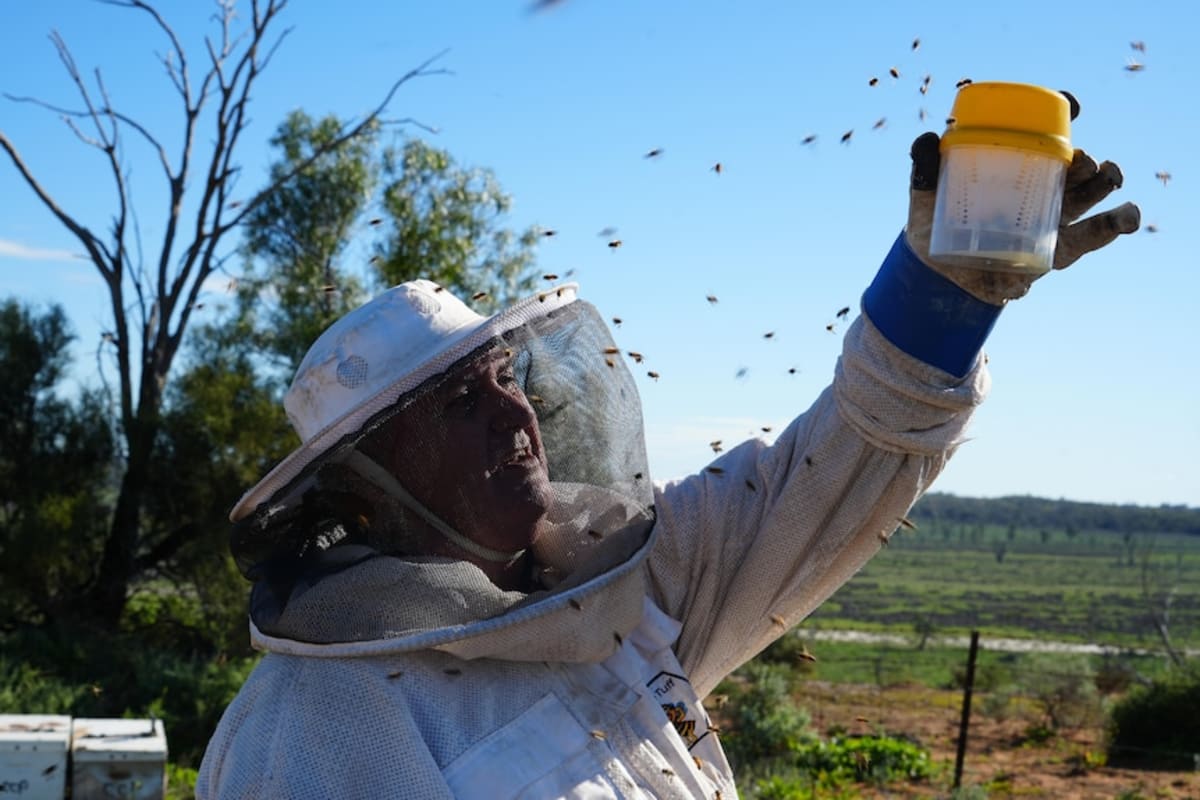
Ian Cass, a South Australian beekeeper, knows the fear firsthand. When he looks at his hives, he sees the microscopic menace that could end his livelihood. "We need some more options, we need some more choices to get through this," he said.
The timing couldn't be better. Resistance to existing treatments has emerged across Victoria, Queensland, New South Wales, and South Australia. The varroa mite has already destroyed an estimated 90% of wild honey bee populations in some Australian regions.
Professor Phil Lester from Victoria University of Wellington helped develop the game-changing solution. The biopesticide uses double-stranded RNA to silence the mite's reproductive genes. "It stops it from laying eggs within the hive," he explained.
The treatment works differently than chemical pesticides. Instead of killing mites outright, it prevents them from reproducing, stopping population growth while keeping bees healthy. Beekeepers administer it through a sugar wash that bees spread throughout their hives naturally.
The product, called Norroa, is already available commercially in the United States. Cass has been following its progress eagerly. "When I saw that I thought, 'Wow, that's an opportunity for us,'" he said. "We need it now."
The Bright Side
The breakthrough comes at a critical moment for Australian beekeeping. A 2026 industry survey found that 32% of beekeepers are planning to leave the profession, with varroa mite listed as their top concern.
Professor Lester believes the new approach could be transformative because no documented resistance exists yet. It could become a key tool in Australia's varroa control toolkit within two years.
The treatment is safe for all bee species and doesn't shorten their lifespan. In fact, treated bees live much longer than those left vulnerable to varroa parasites. The biopesticide represents a natural process rather than harsh chemicals, working with bee biology instead of against it.
While federal and state agriculture departments continue supporting existing treatment programs, beekeepers like Cass see the new biopesticide as essential for survival. "The beekeeping community, I think, are quite terrified," he said. "Our safety net is gone."
The Australian government has already invested $40 million in varroa mite management programs, showing commitment to solving the crisis.
For an industry that pollinates countless crops and produces honey enjoyed across the country, this scientific breakthrough offers something precious: a future where beekeepers can stay in business and bees can thrive.
More Images

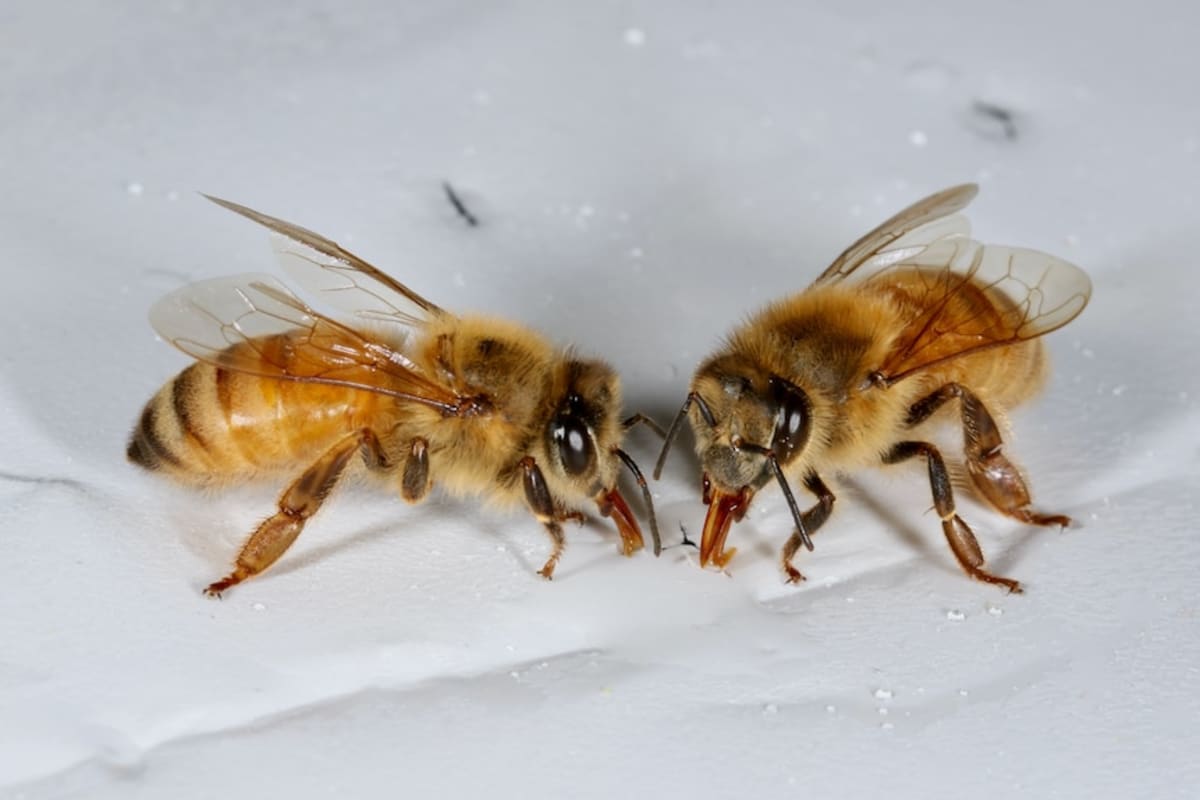
Based on reporting by ABC Australia
This story was written by BrightWire based on verified news reports.
Spread the positivity!
Share this good news with someone who needs it