New Chip Makes pH Testing Simpler for Medical, Farm Use
German scientists have created a durable chip that makes pH testing more reliable and portable, replacing fragile equipment that often broke down. The breakthrough could transform how doctors, farmers, and environmental teams test water and biological samples in the field.
Scientists just solved a problem that's been frustrating researchers and medical professionals for decades: unreliable pH testing equipment that breaks down at the worst possible moment.
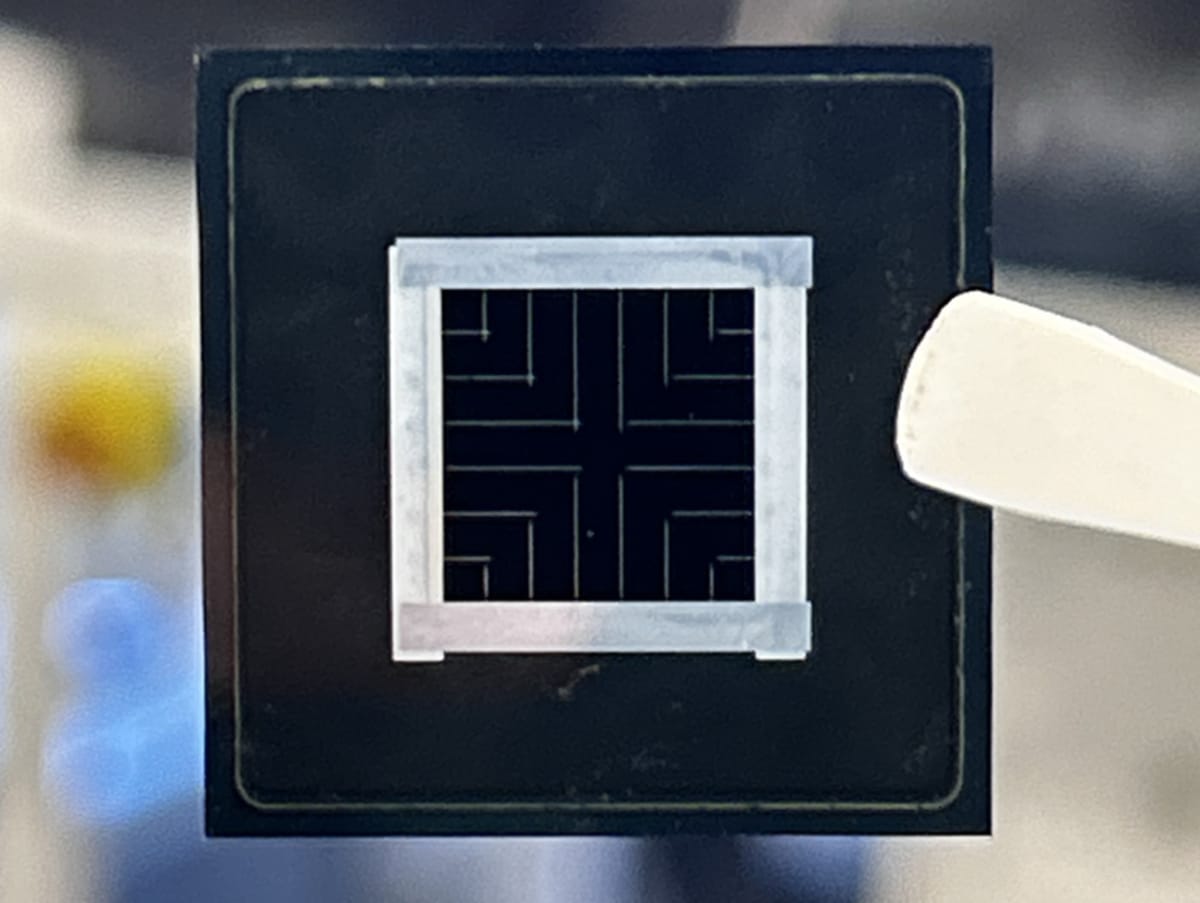
The Fraunhofer Institute in Germany has developed a tiny chip that replaces the delicate glass electrodes traditionally used to measure pH levels. Unlike the old equipment, which could clog, dry out, or give false readings, this chip stays stable and works reliably even in tough conditions.
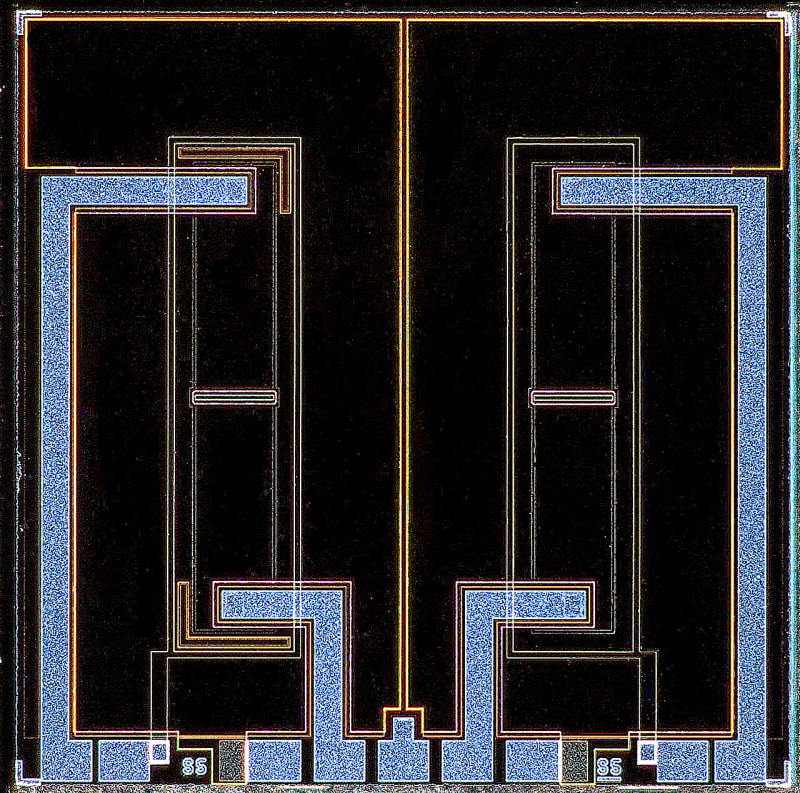
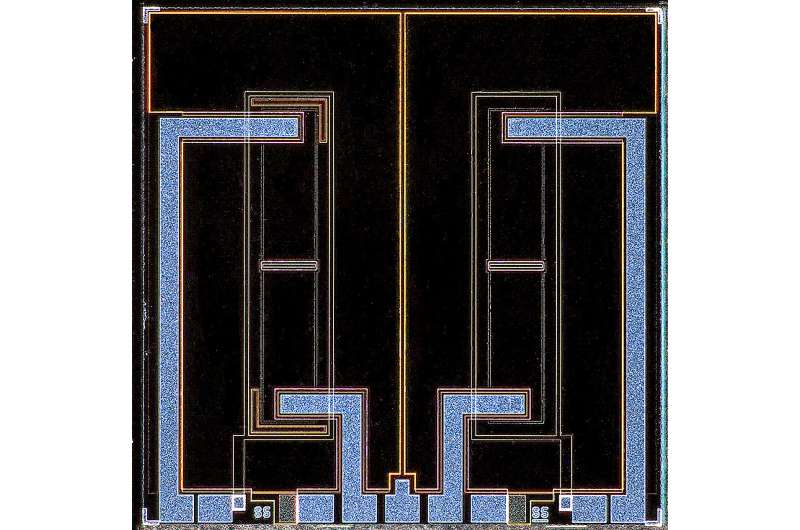
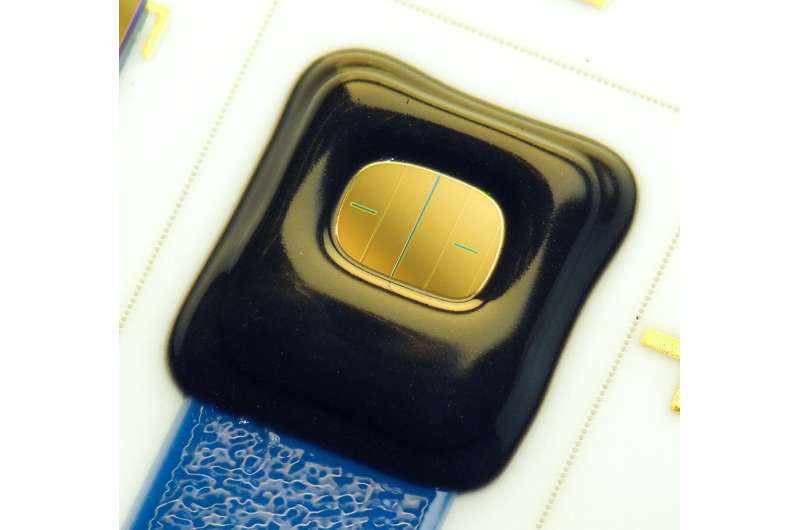
The breakthrough centers on something called an ISFET chip, paired with a special reference chip called a REFET. Together, these two small chips (each about the size of a thumbnail) can accurately measure pH levels in liquids without the headaches of traditional sensors. They can be stored dry, handle pressure changes, and fit inside compact portable devices.
Dr. Olaf Hild, who leads the sensor development team, explains that conventional reference electrodes have always been the weak link in pH measurement. Contamination, temperature shifts, and concentration changes could throw off readings. The new chips sidestep these problems entirely.
The technology works by coating the chips with ultra-thin layers of metal oxides that remain stable over time. After a simple calibration, the chips can take accurate readings in the pH range most commonly needed for medical tests, agricultural monitoring, and environmental sampling (roughly pH 4 to 8).
The Ripple Effect
This innovation arrives at a perfect time for fields desperate for better portable testing. Mobile health clinics can now carry reliable pH testing equipment to remote areas. Farmers can quickly test soil and water quality right in their fields without hauling samples to labs. Environmental teams monitoring rivers and streams get instant, trustworthy readings.
The research team is already offering test kits to early adopters in medicine, biology, agriculture, and environmental science. Electronics developer Hans-Georg Dallmann notes that the control systems can even compensate for the tiny amount of drift that occurs during long-term measurements, making the devices remarkably accurate over time.
The team plans to combine both chips into a single unit with built-in temperature measurement, making the system even more compact and easier to use. They're also working to expand the pH range and reduce drift even further.
While the concept originated in the 1980s with Professor Piet Bergveld, the inventor of ISFET technology, it never caught on commercially until now. This German team has finally turned the promising idea into practical, affordable reality.
Reliable testing equipment in the palm of your hand means faster diagnoses, healthier crops, and cleaner water for communities everywhere.
More Images
Based on reporting by Phys.org
This story was written by BrightWire based on verified news reports.
Spread the positivity!
Share this good news with someone who needs it
%2Ffile%2Fattachments%2F2996%2F20ThefarmersdaughterusingsolarandAItokeepharvestsalive10_793178.jpg)