New Drone Vanishes Mid-Flight Using Motion Blur Trick
Scientists created a drone that hides in plain sight by spinning so fast it becomes nearly invisible. The breakthrough could help monitor wildlife without scaring animals away.
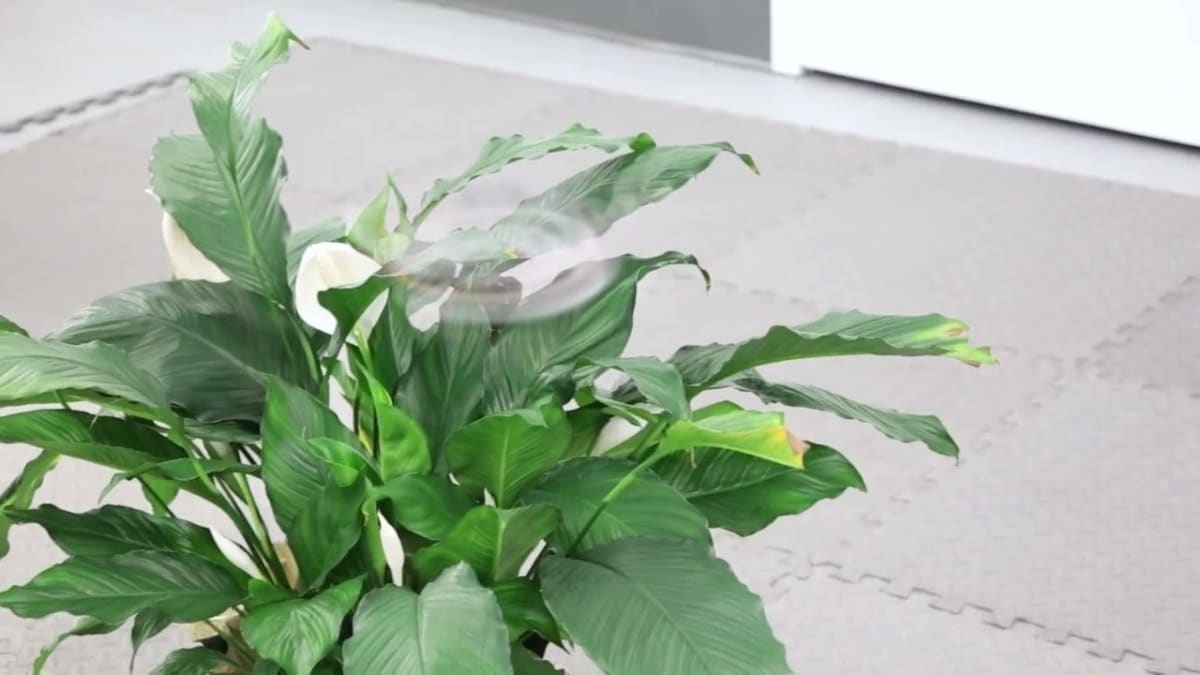
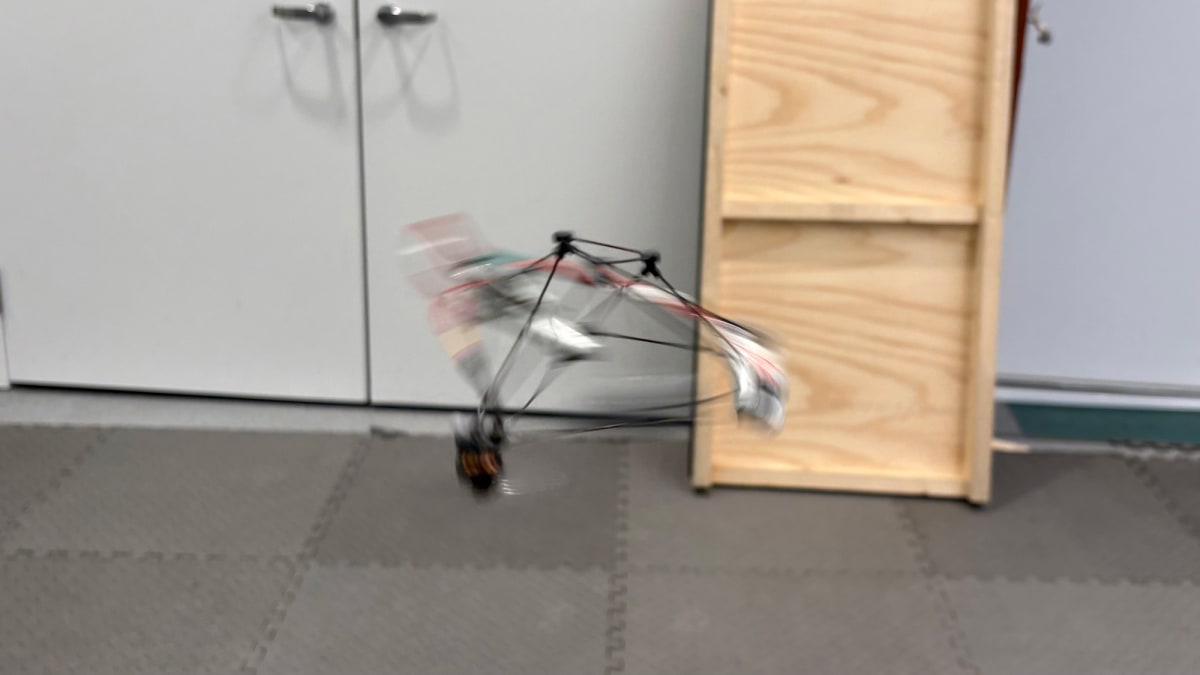
Engineers at Northwestern University have designed a drone that disappears into a faint haze when it flies, using motion blur instead of camouflage to hide itself.
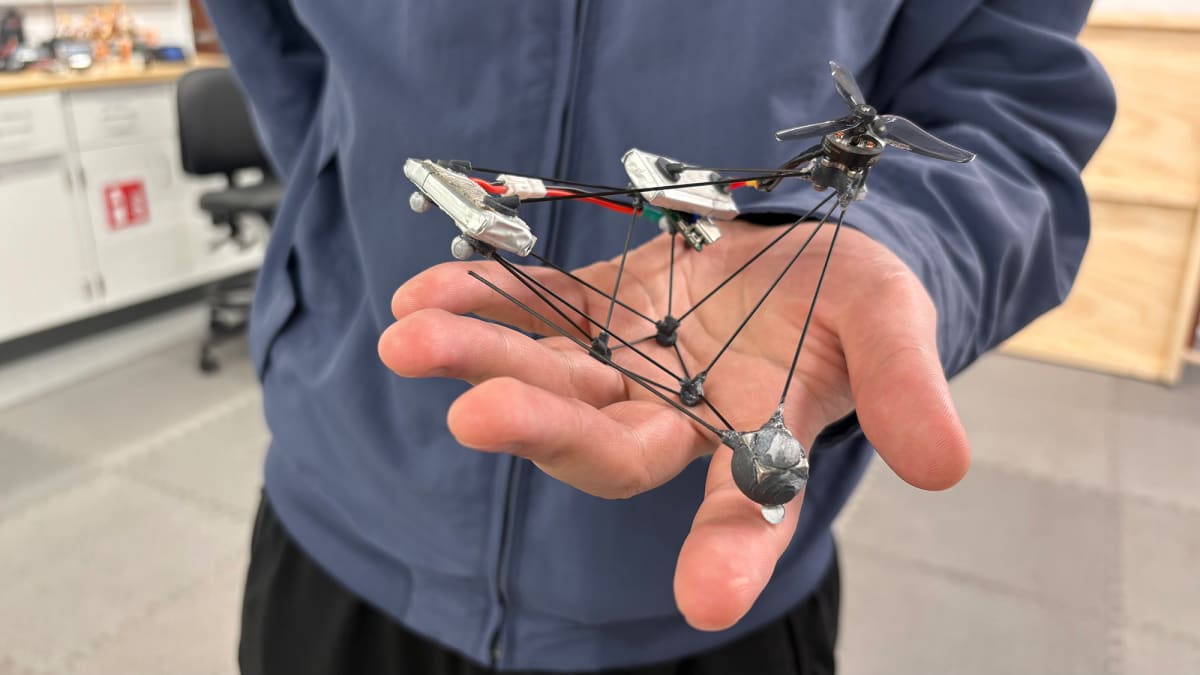
The "Phantom Twist" prototype spins its entire body in the opposite direction of its single propeller, rotating 25 times per second. That speed is too fast for human eyes to track clearly, making the drone look like a translucent smudge rather than a solid machine.
Traditional stealth drones try to blend in using camouflage paint or transparent materials. Phantom Twist takes a completely different approach by exploiting how our brains process motion.
"Most efforts to hide drones focus on making them look like their surroundings," said Michael Rubenstein, the study's lead author and associate professor at Northwestern University. "Instead, we asked whether we could design the drone itself around the way humans perceive motion."
The breakthrough came from testing thousands of designs using artificial intelligence. The team generated about 20,000 possible drone configurations, then used AI to identify which arrangements would be hardest to see from any angle while still flying stably.
They simulated each candidate spinning against 100 different real world backgrounds, from skies to forests to buildings. A perception model that mimics human vision scored each design, with lower visibility earning better marks.
The final design spreads components at different heights and angles with empty space between them. When the drone spins, the parts don't overlap into a recognizable silhouette, making it about 10 times less visible than conventional quadcopters.
The Ripple Effect
The real magic of Phantom Twist isn't about hiding. It's about giving wildlife researchers a tool that doesn't scare nesting birds or scatter flocks of waterbirds when monitoring ecosystems.
The same technology could help inspect aging bridges without altering traffic patterns below, or survey remote areas without disturbing the natural environment. When animals can't see drones clearly, scientists can gather more accurate data about natural behavior.
The current prototype still makes noise and has some visible support wires, but the research team is already working on quieter propulsion systems and more transparent materials for future versions.
This spinning drone proves that sometimes the best way to disappear isn't to hide better, but to move in ways that trick the eye.
More Images

Based on reporting by Live Science
This story was written by BrightWire based on verified news reports.
Spread the positivity!
Share this good news with someone who needs it