New Drug Shows Promise for Incurable Lung Disease
Scientists discovered a genetic link that could finally explain why some people develop a deadly lung disease. A breakthrough drug tested in mice offers hope for millions living with idiopathic pulmonary fibrosis.
Millions of people worldwide suffer from a mysterious lung disease that doctors still can't cure, but researchers just found a promising new way to fight it.
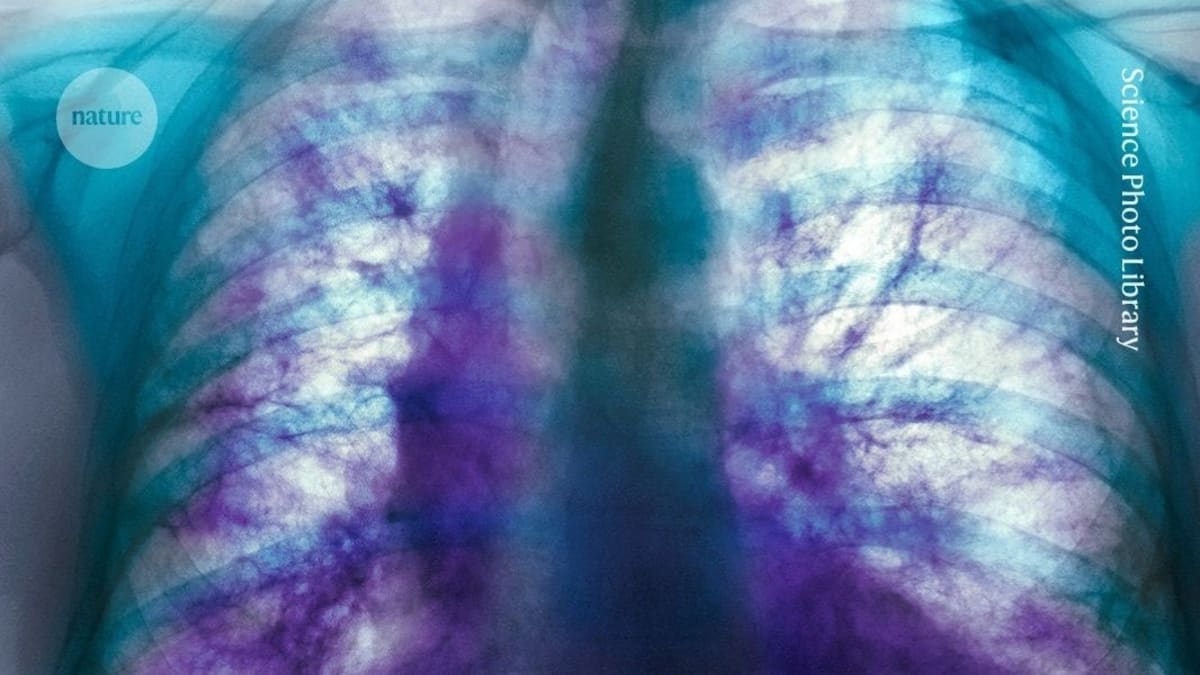
Idiopathic pulmonary fibrosis (IPF) turns healthy lung tissue into scar tissue, making it harder and harder to breathe. Two drugs can slow the disease down, but they don't make people feel better, and many patients eventually die from the condition.
Scientists at the National Institute of Environmental Health Sciences in Durham, North Carolina, just discovered something important. They found a gene called TLR5 that helps protect lungs from the harmful bacteria that can trigger IPF.
Here's how it works: when your lungs get injured from smoking, infections, or pollution, the TLR5 receptor normally springs into action. It recognizes dangerous bacteria and stops them from overgrowing. But when this receptor doesn't work properly, those harmful bacteria can take over and lead to scarring.
The team tested their theory on mice by removing the TLR5 gene. Those mice developed worse scarring, lost more weight, and were less likely to survive than mice with working receptors. They also had fewer helpful bacteria and weaker defenses in their lungs.
Brian Oliver, a researcher at the University of Technology Sydney, calls the findings exciting. "It's a very novel idea to look at the TLR5 receptor because it is not something many people would associate with a fibrotic lung disease," he says.
Why This Inspires
This discovery matters because it's the first time scientists have connected lung bacteria to IPF through genetics. For years, doctors couldn't explain why some people who smoke or get lung infections develop IPF while others don't. Now they know that genetics and the types of bacteria in your lungs both play a role.
The research opens up a completely new treatment pathway. Instead of just slowing down the disease, drugs that target the TLR5 protein could actually prevent IPF from getting worse in the first place.
The findings give hope to millions who face this devastating diagnosis with few options and finally shine light on a disease that's remained in the dark for far too long.
More Images




Based on reporting by Nature News
This story was written by BrightWire based on verified news reports.
Spread the positivity!
Share this good news with someone who needs it