Nashville Doctor's Gene Therapy Cures Sickle Cell at Age 2
The FDA just approved a groundbreaking gene-editing treatment that can cure sickle cell disease in children as young as two years old. A Nashville doctor who performed the world's first procedure in 2019 is now giving families hope after decades of painful, life-threatening complications.
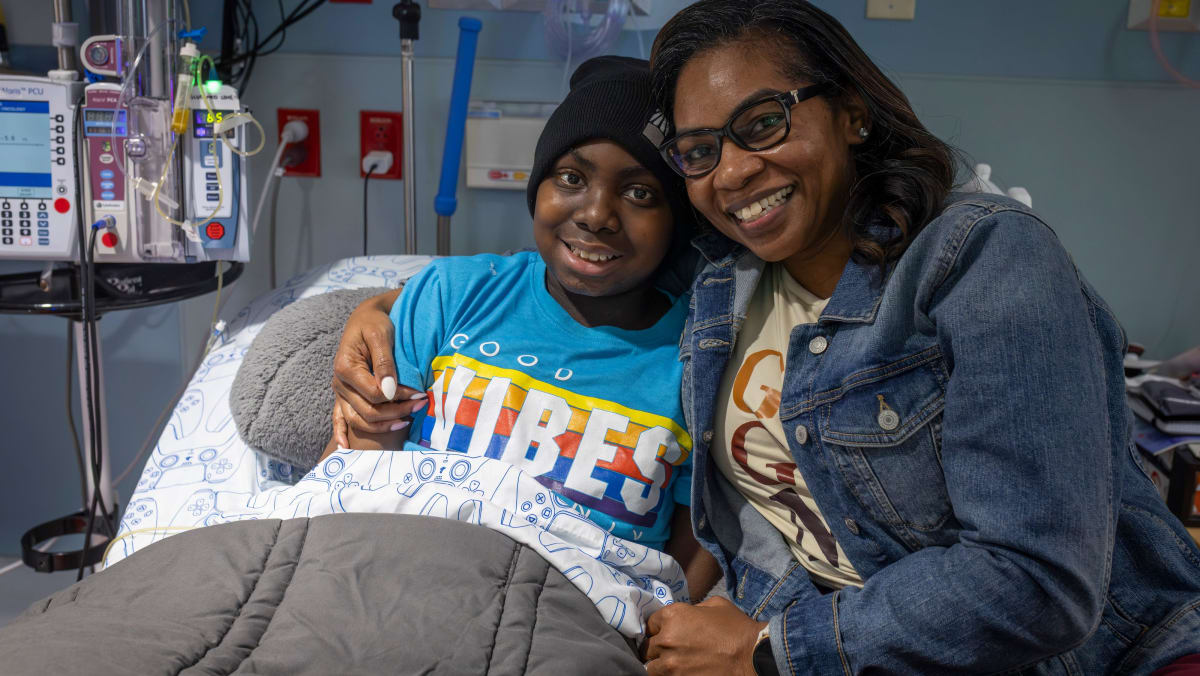
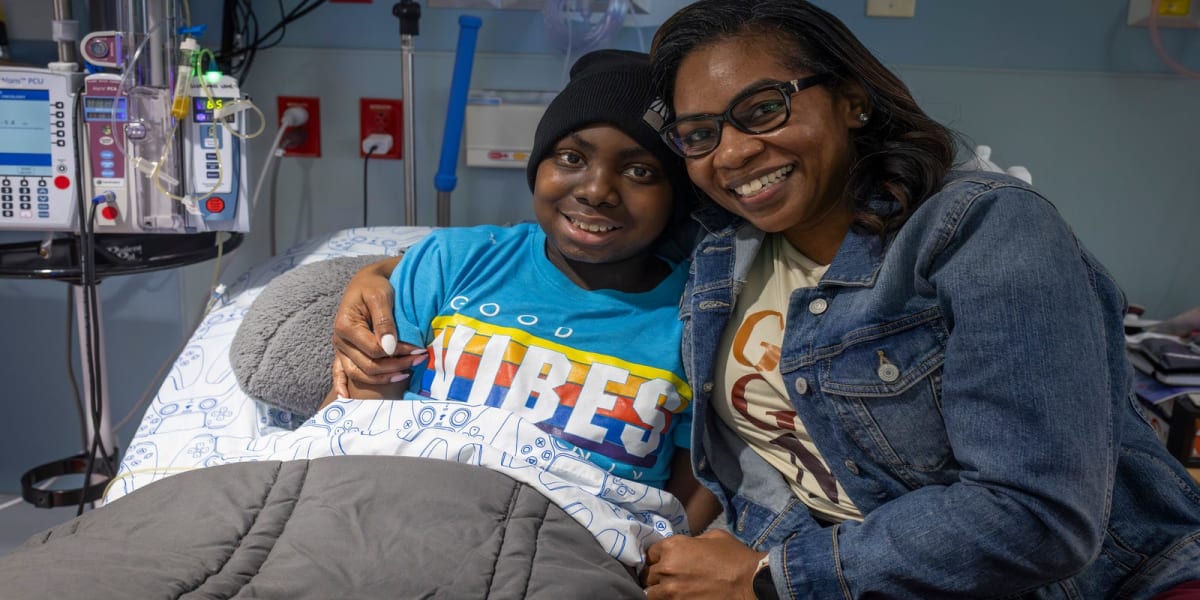
Thirteen-year-old Rickey Buggs III celebrated his cure from sickle cell disease with spaghetti and birthday cake at a Nashville hospital this summer. After years of emergency room visits and crushing pain, he's likely free from the inherited blood disorder forever.
Dr. Haydar Frangoul, a pediatric hematologist at TriStar Centennial Children's Hospital, pioneered the gene-editing therapy that made Rickey's cure possible. "It sounds like science fiction, but it works," said Frangoul, whose groundbreaking treatment has now drawn patients from 28 states.
The FDA approved the therapy for children as young as two years old on July 1, marking a major milestone in treating a disease that affects 100,000 Americans. Before gene therapy, doctors could only manage symptoms and pain, leaving patients vulnerable to strokes, organ damage, and early death.
Frangoul made history in July 2019 by performing the world's first gene-editing procedure on an adult patient with sickle cell disease. That woman continues to thrive seven years later with no signs of active disease.
The therapy works by removing a patient's own blood-forming stem cells, editing them to fix the genetic defect, and infusing them back into the body. Because doctors use the patient's own cells, there's no risk of rejection like with traditional bone marrow transplants.
Sickle cell disease causes red blood cells to harden into crescent shapes that stick to blood vessel walls instead of delivering oxygen throughout the body. These cells build up and create blockages that trigger intense pain and dangerous complications.
The disease disproportionately affects African Americans, with about 1 in 13 carrying the sickle cell trait. Both of Rickey's parents had the trait, though his mother, Dr. Lametra Scott, didn't discover this until she was pregnant.
For Rickey, the disease meant wearing a wetsuit while swimming to avoid dangerous temperature drops. It meant constant breaks during sports and sudden trips to the emergency room when pain struck like "needles hitting me in the legs."
His mother said she always made sure her son could participate in activities like other kids, but Rickey felt differently. "I feel like I had a chain of limitations," he said.
Why This Inspires
After his transplant, Rickey's mother said the family now celebrates two birthdays. One marks September 13, the day she gave birth to her only child nearly 14 years ago. The other honors May 26, the day of his transplant when his life began again.
Frangoul's clinical trials on more than 40 patients earned FDA approval for adults and children 12 and older in 2024. His recent study on nearly a dozen children ages 5 to 11, published in the New England Journal of Medicine, paved the way for treating even younger patients.
The Sickle Cell Disease Association of America calls the therapy "potentially curative," though researchers acknowledge they need more time to understand long-term impacts. Frangoul said all available data shows the treatment continues to protect patients from complications, but doctors will follow patients long term to confirm it's a permanent cure.
Weeks after his surgery, Rickey told his doctor: "I'm way better since the beginning." He looked forward to going home, sleeping in his own bed, and playing video games without the shadow of disease hanging over him.
Frangoul pointed to a future of high school without sickle cell disease, a reality that seemed impossible just a few years ago.
More Images
Based on reporting by Google News - Disease Cure
This story was written by BrightWire based on verified news reports.
Spread the positivity!
Share this good news with someone who needs it