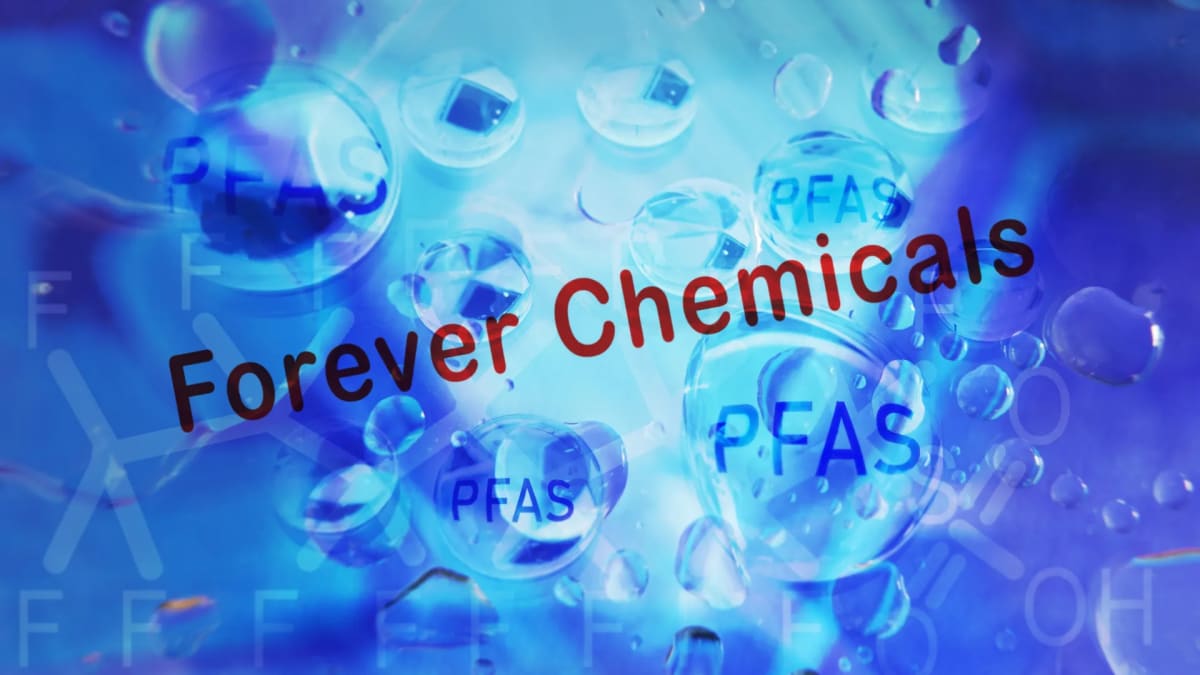
New Filter Traps 98% of Forever Chemicals in Water
Australian scientists created a nano-sized "cage" that captures the toughest forever chemicals in drinking water, removing 98% of PFAS pollutants. The breakthrough could transform how we clean contaminated water supplies worldwide.
Millions of people drink water tainted with "forever chemicals" that current filters can't catch, but a team of Australian researchers just cracked the code.
Scientists at Flinders University developed a molecular cage so small you'd need a microscope to see it, yet powerful enough to trap the most stubborn pollutants contaminating water around the globe. The innovation targets short-chain PFAS, the sneakiest form of these toxic chemicals that slip through traditional water treatment systems.
PFAS (perfluoroalkyl and polyfluoroalkyl substances) earned their "forever chemical" nickname because they don't break down naturally. They've spread from firefighting foam, industrial sites, and everyday products into groundwater, rivers, and tap water across continents.
Dr. Witold Bloch and his team discovered something remarkable: their nano-cages force PFAS molecules to clump together inside a tiny cavity, gripping them far more tightly than conventional filters. Think of it like a microscopic Venus flytrap designed specifically for these slippery pollutants.
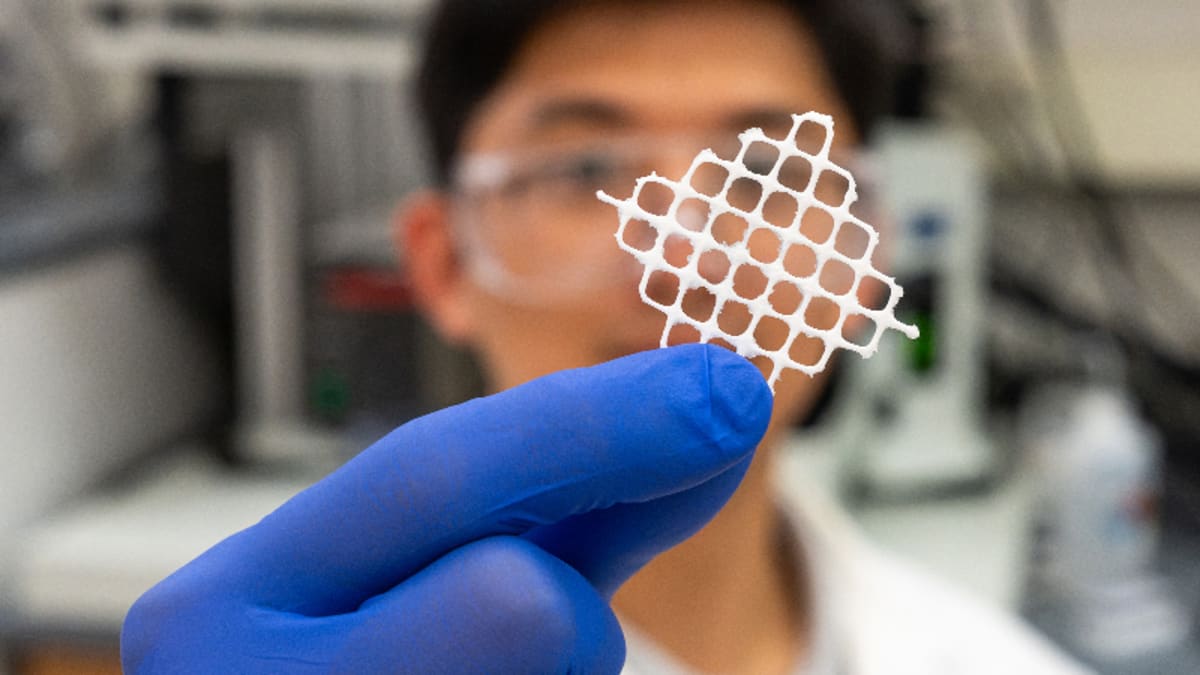
The researchers embedded these molecular cages into mesoporous silica, a porous material that normally can't catch PFAS at all. PhD candidate Caroline Andersson explains that understanding exactly how PFAS molecules bind at the molecular level let them design the perfect trap.
Laboratory tests delivered impressive results. The new material removed up to 98% of PFAS from model tap water at concentrations matching real-world contamination levels. Even better, the filter kept working at full strength after five cycles of reuse.
The Ripple Effect
This discovery couldn't come at a better time. PFAS contamination has become a global crisis, with these chemicals linked to health concerns affecting humans, livestock, and wildlife. Communities from rural Australia to American suburbs have discovered their water supplies tainted with these persistent pollutants.
The new filtration system could slot directly into existing water treatment plants as a final polishing step before water reaches taps. Unlike expensive remediation methods that require digging up contaminated soil or building entirely new treatment facilities, this approach works with infrastructure already in place.
The technology also tackles the hardest part of the PFAS problem. While some filters can catch long-chain PFAS, the short-chain versions move freely through water and dodge most removal attempts. Now scientists have a tool that works on both types.
The research team benefited from collaboration across multiple Australian institutions, using advanced facilities including synchrotron beamlines and supercomputers to understand their molecular cages at the deepest level. Their findings appear in the prestigious journal Angewandte Chemie International Edition.
Clean drinking water just got closer for millions of people worried about what's flowing from their taps.
Based on reporting by Health Daily
This story was written by BrightWire based on verified news reports.
Spread the positivity!
Share this good news with someone who needs it
%3Afocal(700x470%3A701x471)%2Fhttps%253A%252F%252Ftf-cmsv2-smithsonianmag-media.s3.amazonaws.com%252Ffiler_public%252F7b%252F0f%252F7b0ff0da-1226-44bf-84de-647304f51d15%252F20260512-029jk.jpg)