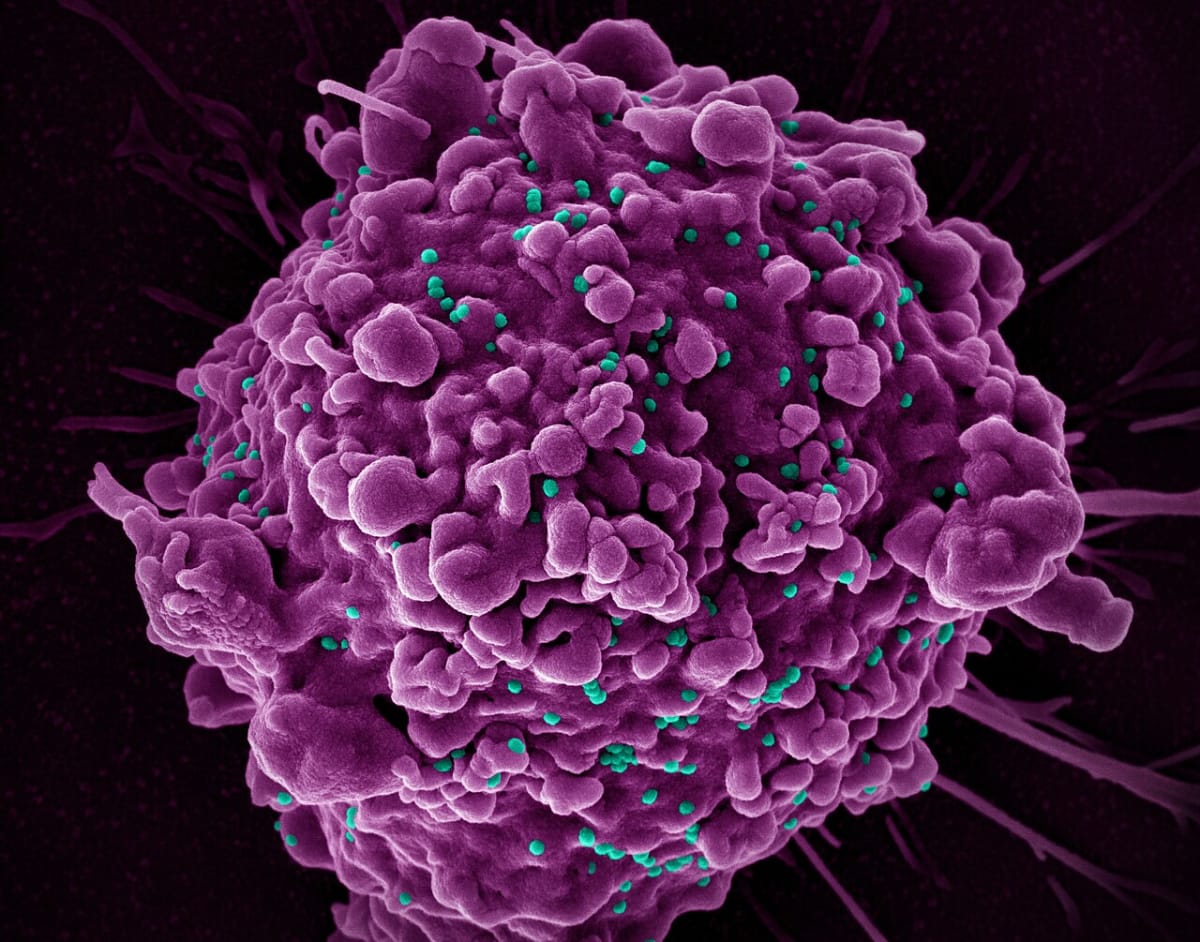
New HIV Vaccine Succeeds in Primates, Human Trials Begin
Scientists at La Jolla Institute and Scripps Research have created an HIV vaccine that triggered the strongest antibody response ever seen in primates. Human trials are now underway for a vaccine 14 years in the making.
After 14 years of painstaking research, scientists have developed an HIV vaccine that achieves what once seemed impossible: training the immune system to produce powerful antibodies that can recognize and fight HIV.
The vaccine, created by researchers at La Jolla Institute for Immunology and Scripps Research, has already shown unprecedented success in primate trials. Human trials started this summer.
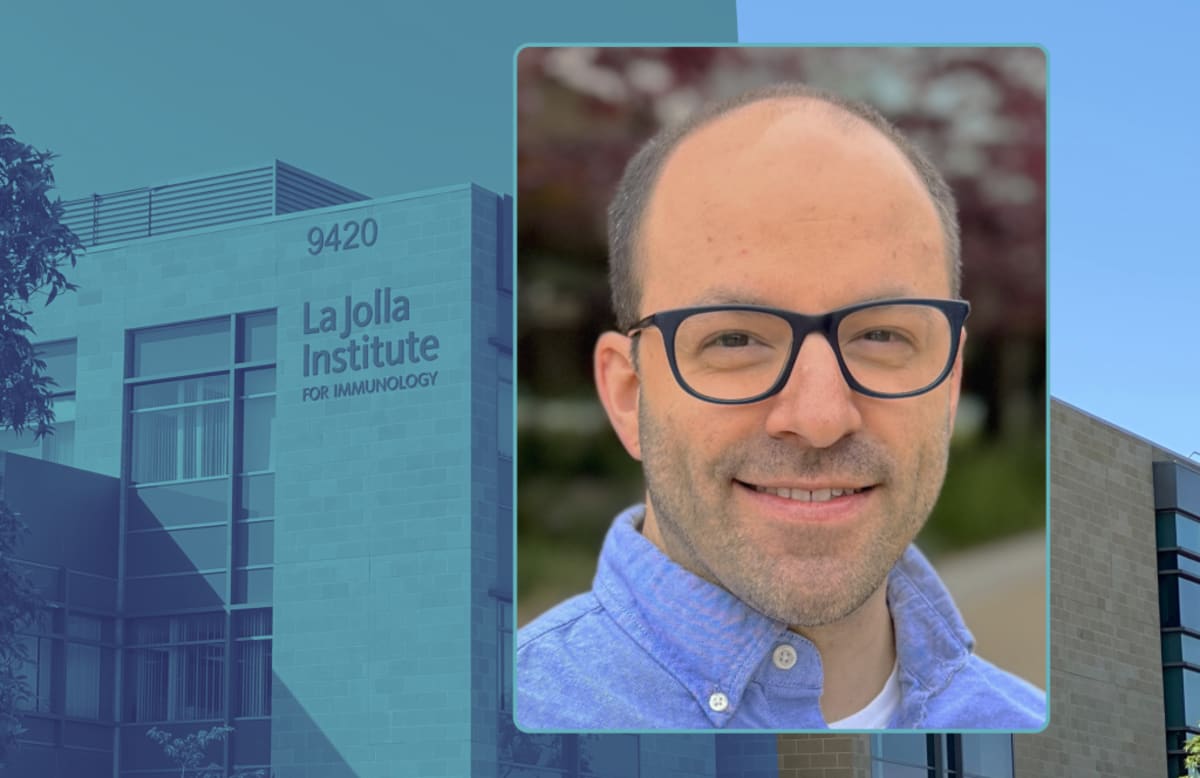
"This feels like a huge success," says Professor Shane Crotty, who helped lead the research. "We constructed a successful vaccine from the ground up, which required a deep understanding of the immune system."
HIV has always been a master of disguise. The virus wraps itself in sugar molecules called glycans that make it look like healthy human cells, letting it slip past our defenses undetected.
HIV also mutates extremely quickly, sometimes changing within a single person's body. Even when the immune system starts making antibodies to fight it, the virus simply shifts its shape and escapes.
This is why regular vaccines haven't worked. Our B cells, which produce antibodies, never get enough time to learn how to fight back effectively.
The new vaccine takes a completely different approach. Instead of waiting for the body to figure out HIV's tricks, it trains B cells exactly how to recognize the virus from the start.
The research team spent years studying blood samples from a small group of people whose bodies naturally produce rare "broadly neutralizing" antibodies against HIV. These special antibodies can bind to HIV even when the virus mutates.
The scientists then reverse-engineered the process, figuring out exactly what those successful B cells saw during their development. They created vaccine molecules that mimic specific parts of HIV's outer envelope protein.
In primate trials, researchers gave animals a "priming" vaccine to activate their naive B cells. Then came a series of booster shots that guided those cells step by step toward producing the rare, powerful antibodies.
The results surpassed all expectations. The primates developed the strongest HIV-fighting antibody response ever recorded in vaccine research.
Why This Inspires
This breakthrough represents more than scientific achievement. It shows what's possible when researchers refuse to accept that some problems are unsolvable.
The team described their work as an "Apollo moon mission-type project," requiring countless discoveries and inventions along the way. They didn't just tweak existing approaches. They reimagined how vaccines could work.
For the 38 million people worldwide living with HIV, and for everyone at risk of infection, this vaccine offers something that hasn't existed before: real hope for prevention. The antibodies this vaccine produces could protect against the many different HIV strains circulating globally.
The success in primates means human trials can now move forward with genuine optimism.
After decades of setbacks in HIV vaccine research, scientists have finally found a way to outsmart one of medicine's most elusive enemies.
More Images



Based on reporting by Google News - Vaccine Success
This story was written by BrightWire based on verified news reports.
Spread the positivity!
Share this good news with someone who needs it