Scientists Find How Alzheimer's Kills Brain Cells
Researchers at King's College London discovered a previously unknown cell death process that could finally explain how toxic proteins destroy neurons in Alzheimer's and dementia. The breakthrough opens the door to treatments that could slow or stop brain cell loss.
After decades of mystery, scientists may have cracked one of Alzheimer's biggest puzzles: exactly how the disease kills brain cells.
Researchers at King's College London identified a cell death process called karyoptosis that appears to play a major role in both Alzheimer's disease and frontotemporal dementia. The discovery could lead to treatments that interrupt this destructive chain reaction before neurons die.
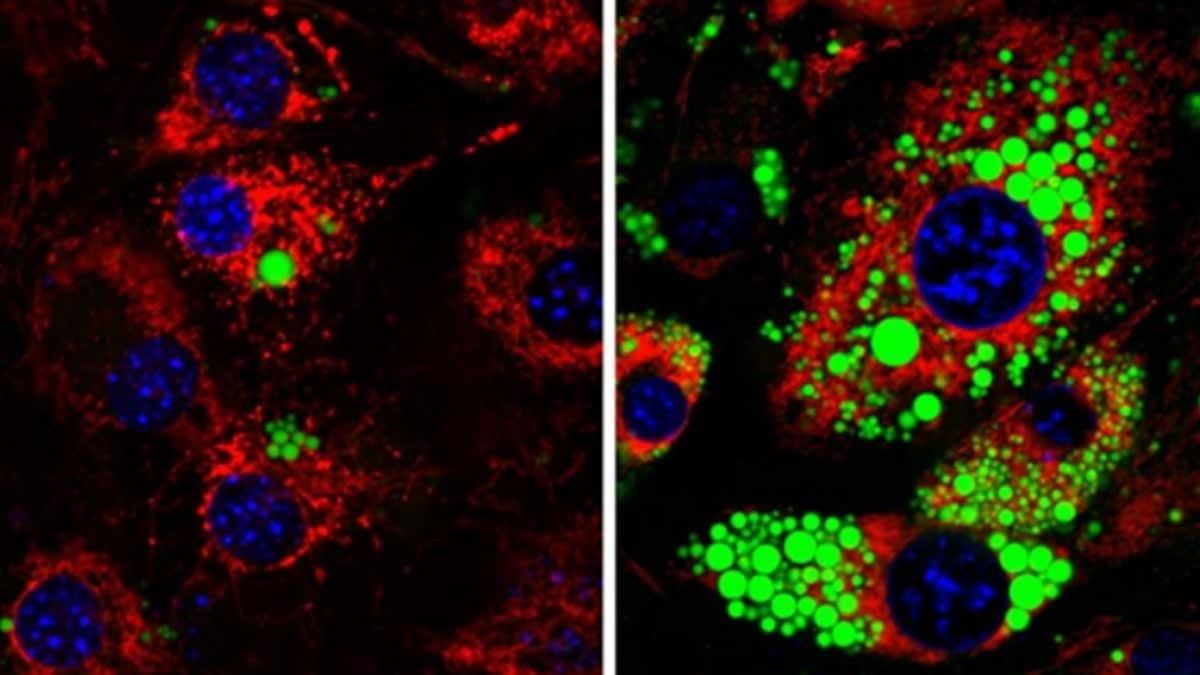
The team analyzed 3,000 brain cells from 28 people with either frontotemporal dementia or late-stage Alzheimer's disease. They found signs of karyoptosis in 35 percent of cells from Alzheimer's patients, compared to just 15 percent in healthy older adults.
Karyoptosis happens when toxic proteins build up inside a neuron and trigger a series of chemical reactions. The cell's nucleus, which holds its genetic material, gradually shrinks and then breaks apart completely.
"This study is the culmination of a 10-year journey at King's, from when we first identified karyoptosis in a relatively rare disease to discovering that it is a common feature of dementias which affect millions of people," the researchers said.
The team also pinpointed the molecular pathway that controls this process. When proteins clump together inside neurons, they destabilize the nucleus's outer membrane, setting off the destructive cascade.
In laboratory experiments with rat neurons, the researchers blocked key molecular switches called kinases and reduced markers of karyoptosis. One interaction between a protein called p38 MAP kinase and another called LaminB1 emerged as a particularly promising treatment target.
The Ripple Effect
This breakthrough matters for the 55 million people worldwide living with dementia. For decades, scientists knew toxic proteins accumulated in diseased brains but couldn't fully explain why so many neurons died.
Dr. Rebecca Casterton, the study's first author, emphasized that understanding karyoptosis creates a roadmap for future treatments. "The death and loss of cells in the brain drives many symptoms experienced by people living with dementia," she said.
The research team's next step is developing ways to selectively target the p38 MAP kinase and LaminB1 interaction in humans. By blocking this pathway, scientists hope to slow brain cell death and buy time for more targeted therapies.
Dr. Sara Rodrigues from Alzheimer's Research UK, which helped fund the study, called the discovery "a crucial step towards finding targets for treatments that could stop or slow cell loss." It could widen the window for therapies that tackle the root causes of dementia, bringing the medical community closer to a cure.
The findings appeared in Nature Communications and represent hope for millions of families touched by these devastating diseases.
Based on reporting by Science Daily
This story was written by BrightWire based on verified news reports.
Spread the positivity!
Share this good news with someone who needs it