New Magic Mushroom Drug Treats Depression Without the Trip
Scientists engineered a new version of the psychedelic compound from magic mushrooms that fights depression without causing hallucinations. Early tests in mice show the modified drug delivers brain benefits while dramatically reducing mind-altering effects.
Millions of people struggling with depression may soon have access to the healing power of psychedelics without the intense hallucinations that make many patients hesitant to try them.
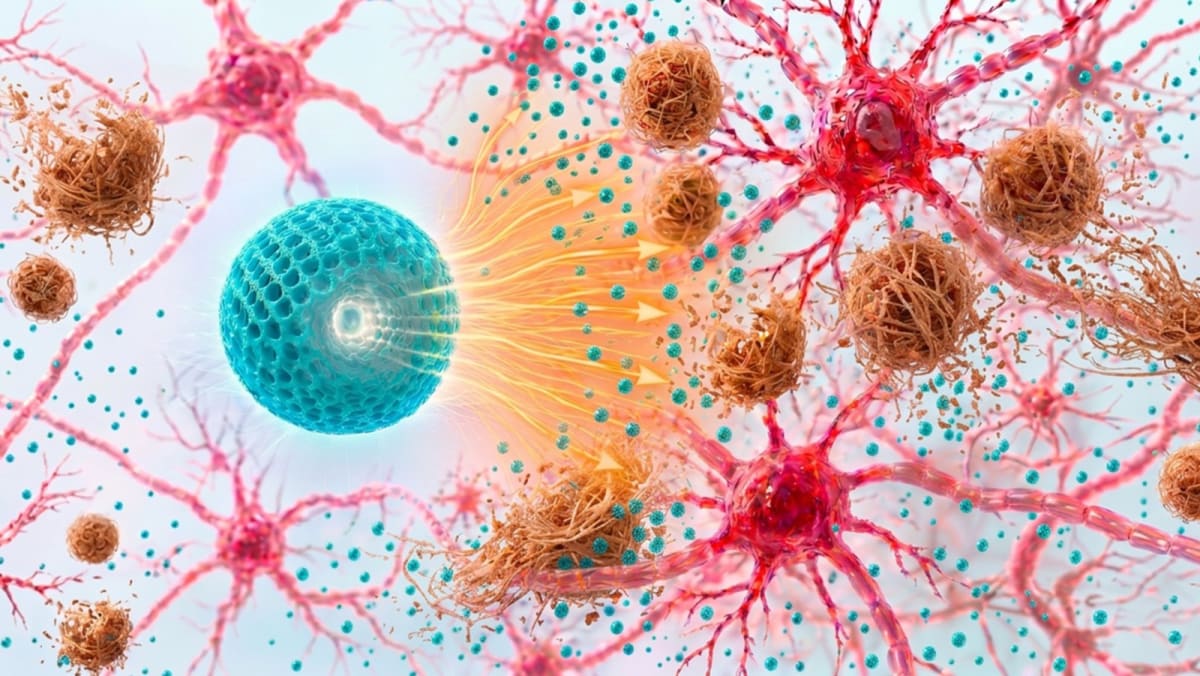
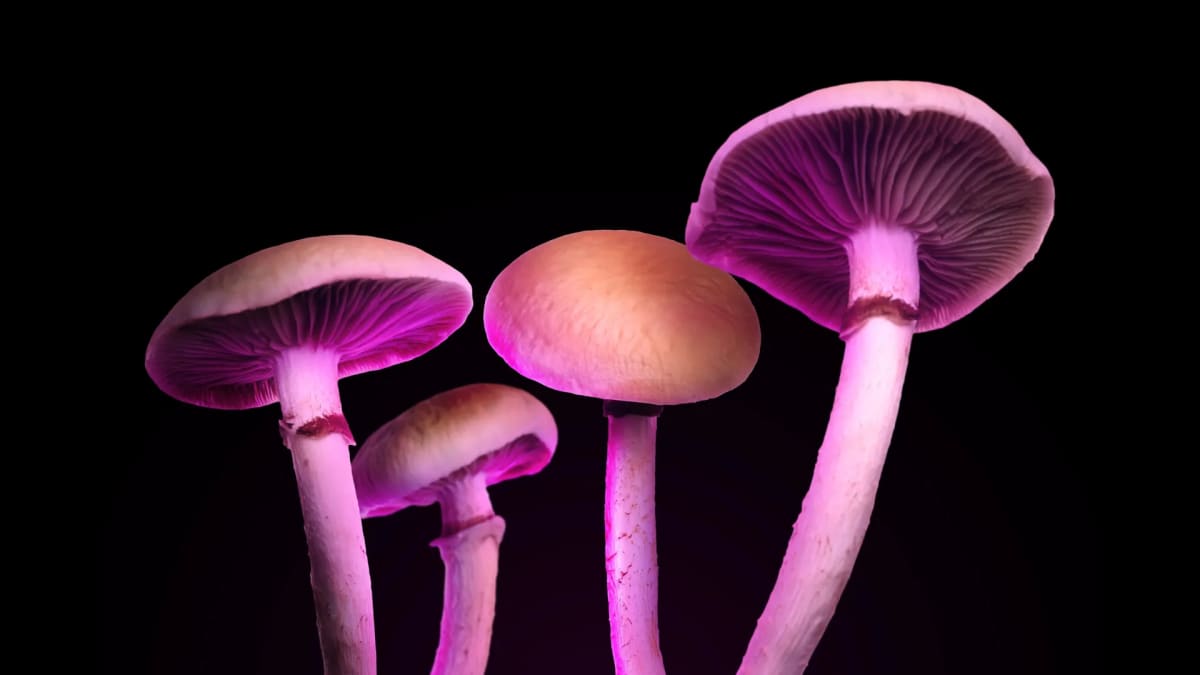
Researchers at the American Chemical Society have created a modified version of psilocin, the active compound in magic mushrooms, that targets depression while causing far fewer psychedelic effects. Published in the Journal of Medicinal Chemistry, the breakthrough could transform how doctors treat depression, anxiety, substance use disorders, and even Alzheimer's disease.
The research team, led by Sara De Martin, Andrea Mattarei, and Paolo Manfredi, designed five chemical variants of psilocin that release the active molecule into the brain more slowly and steadily. This gradual release appears to be the key to reducing hallucinations while preserving the therapeutic benefits.
When tested in laboratory conditions using human plasma samples, one compound called 4e showed the most promise. It demonstrated strong stability and produced a steady, gradual release of psilocin while continuing to activate the same serotonin receptors that regulate mood and brain function.
The real test came when researchers compared 4e with pharmaceutical grade psilocybin in mice. Both substances were given orally, and the team tracked psilocin levels in the bloodstream and brain over 48 hours.
Mice receiving 4e showed significantly fewer head twitches, which scientists use as a reliable marker for psychedelic activity in rodents. This happened even though 4e crossed the blood-brain barrier efficiently and strongly interacted with serotonin receptors, just like traditional psilocybin.
The difference comes down to timing and intensity. The modified compound produced lower but longer-lasting levels of psilocin in the brain compared to psilocybin, suggesting that how much of the compound reaches the brain and how quickly it arrives determines whether someone experiences hallucinations.
Why This Inspires
This research offers hope to millions who could benefit from psychedelic therapy but fear the intense mind-altering experiences. Many mood disorders and neurodegenerative conditions like Alzheimer's are linked to disruptions in serotonin, the neurotransmitter that regulates mood and brain function.
While decades of research have shown that psychedelics like psilocybin can help restore healthy serotonin signaling, the hallucinations have been a major barrier to widespread medical use. Some patients simply aren't comfortable with the idea of a several-hour psychedelic journey, even if it might heal their depression.
This new approach suggests that the healing and the hallucinations can be separated. The compounds activate the same beneficial serotonin pathways without triggering the intense visual and sensory distortions that define the psychedelic experience.
More research is needed before these compounds can be tested in people. Scientists still need to understand exactly how these molecules work in the human brain and examine their full biological impact to ensure they're safe and effective.
But the early results point toward a future where psychedelic-inspired medicines could become as routine as any other prescription, opening treatment options to people who need them most.
Based on reporting by Science Daily
This story was written by BrightWire based on verified news reports.
Spread the positivity!
Share this good news with someone who needs it