New Material Turns Waste Heat Into Clean Electricity
Scientists in Japan discovered a common industrial material that efficiently converts wasted energy into usable power, potentially revolutionizing how we recover the massive amounts of heat lost in factories and engines. This breakthrough could help power everything from remote sensors to entire facilities using energy that currently disappears into thin air.
Every year, industries throw away up to half their energy as waste heat, but scientists in Japan just found a surprisingly simple way to capture it and turn it into electricity.
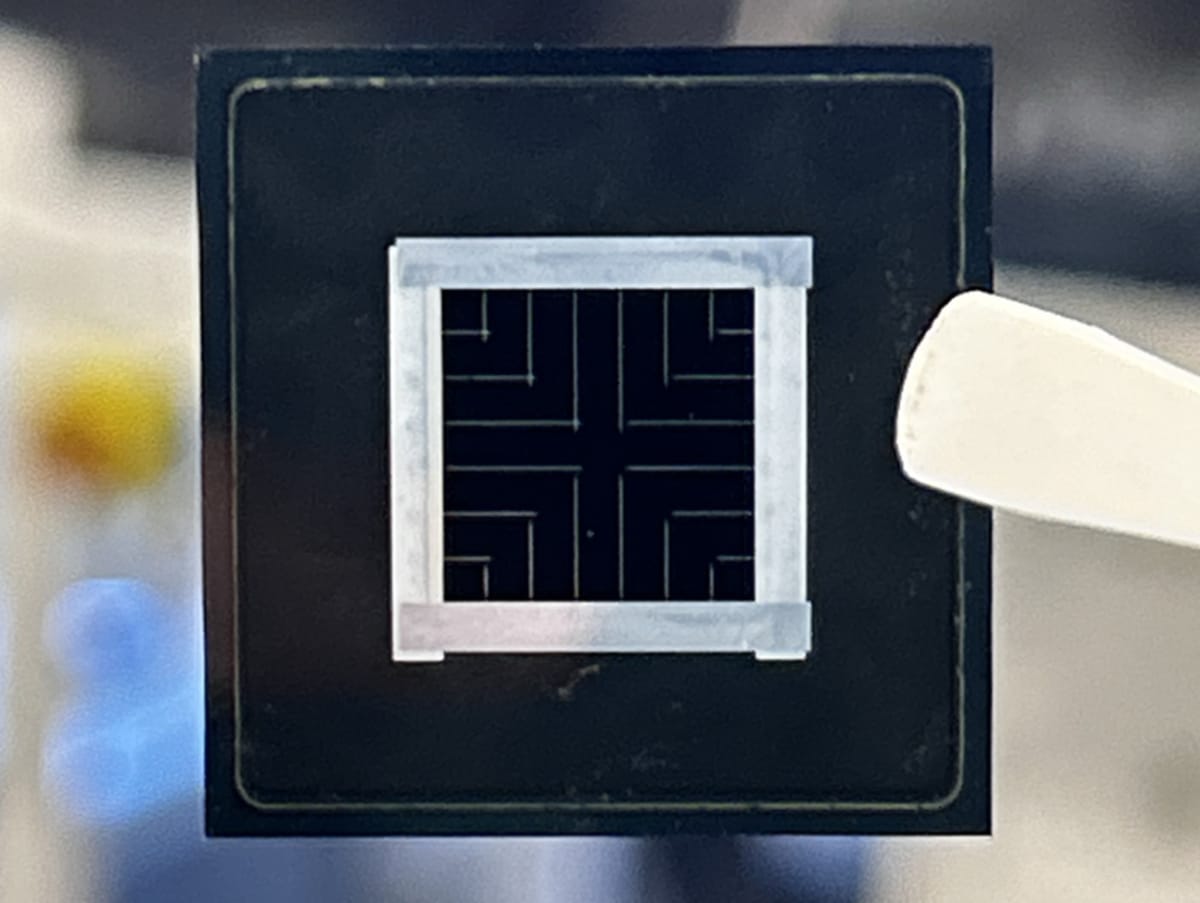
Researchers at Tokyo University of Science discovered that molybdenum disilicide, a material already used in industrial heating elements, can convert heat directly into electrical power through a rare property called transverse thermoelectric effect. Unlike traditional energy recovery systems that require complex layering of different materials, this one works with a single substance.
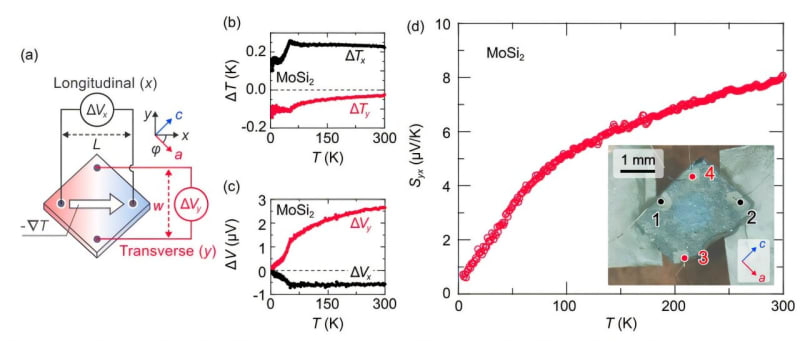
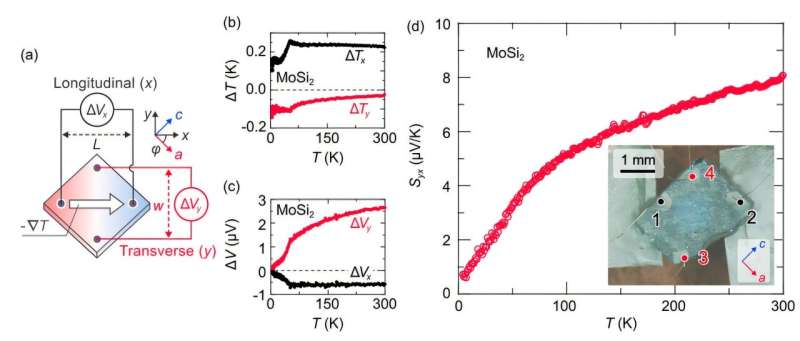
The discovery matters because current thermoelectric devices lose significant energy at the connection points between their multiple layers. Associate Professor Ryuji Okazaki and his team found that MoSi2 generates electricity perpendicular to heat flow, eliminating the need for those efficiency-killing interfaces entirely.
The team measured the material's performance by applying heat at a 45-degree angle to its crystal structure. The results showed clear voltage generation that matched or exceeded magnetic materials previously considered the gold standard for this type of energy conversion.
What makes MoSi2 special lies in its atomic structure. The material contains two different types of electron surfaces with opposite electrical properties, creating what scientists call axis-dependent conduction polarity. Think of it like having built-in positive and negative pathways that naturally channel electricity in the direction you need.
The Ripple Effect
The practical applications extend far beyond laboratory measurements. Industries currently lose between 20 and 50 percent of their input energy as waste heat, representing an enormous untapped power source. MoSi2 films could cover large heat-producing surfaces in factories, power plants, and vehicle engines, quietly converting lost energy back into usable electricity.
The technology could also enable standalone power generation in remote locations. Imagine sensors in distant forests or mountain ranges running indefinitely on temperature differences, or small devices charging themselves from ambient heat without batteries or solar panels.
Manufacturing advantages make the discovery even more promising. MoSi2 already exists in industrial supply chains and doesn't require rare elements or complex production methods. Creating thermoelectric devices from it would be simpler and cheaper than current alternatives.
The research team published their findings in Communications Materials after confirming the results through both physical experiments and computational modeling. Their calculations revealed exactly why MoSi2 outperforms similar materials like tungsten disilicide in converting heat to electricity.
This breakthrough opens a new pathway for discovering other materials with similar properties, potentially creating an entire family of efficient waste heat converters.
The next time you feel warmth radiating from an engine or factory, remember that lost energy might soon power our sustainable future.
More Images



Based on reporting by Phys.org - Technology
This story was written by BrightWire based on verified news reports.
Spread the positivity!
Share this good news with someone who needs it