New Melanoma Vaccine Cuts Cancer Return Risk by Half
A personalized mRNA vaccine combined with immunotherapy stopped melanoma from returning in 69% of patients over five years, nearly double the rate of standard treatment alone. The breakthrough could transform how doctors fight not just skin cancer, but many other cancers too.
For the first time in decades of trying, researchers have created a cancer vaccine that actually works, and it's helping melanoma patients stay cancer-free far longer than ever before.
Scientists at NYU's Langone Perlmutter Cancer Center tested a new personalized vaccine on 157 patients with advanced melanoma, the deadliest form of skin cancer. After five years, 69% of patients who received the vaccine plus immunotherapy remained cancer-free, compared to just 49% who got standard treatment alone.
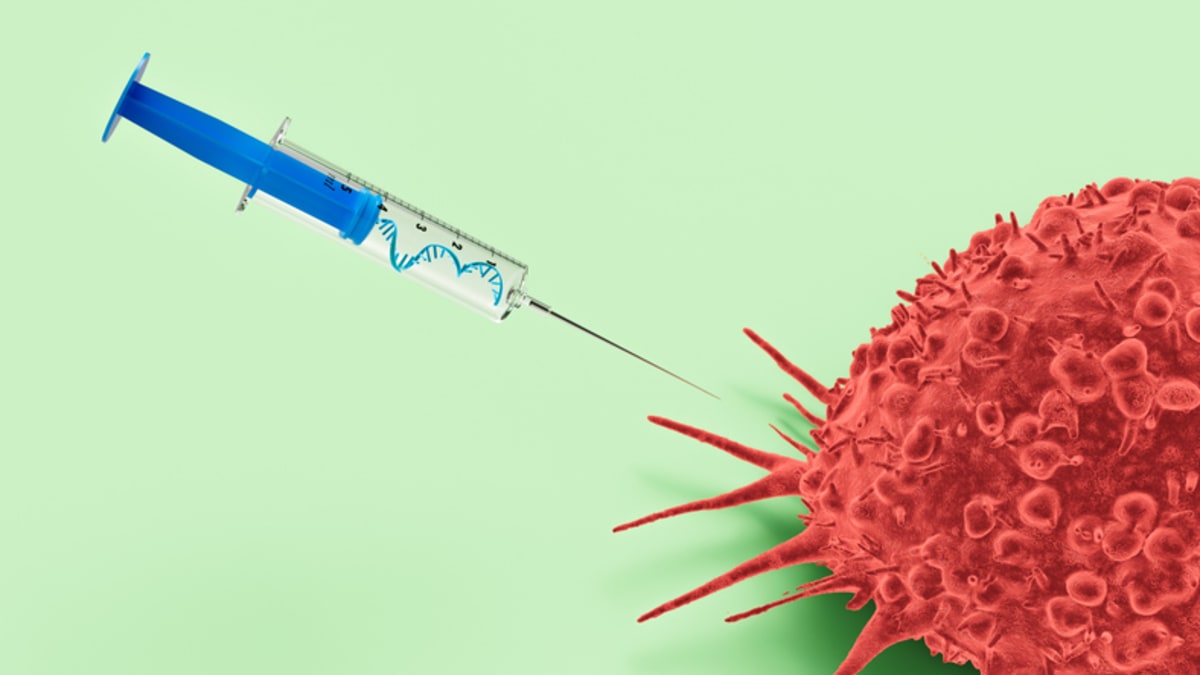
The vaccine is custom-made for each patient using genetic material from their own tumor. Scientists identify unique proteins on the cancer cells, then create a vaccine that trains the immune system to hunt down and destroy those specific targets.
Patients receive up to nine vaccine doses over several months alongside Merck's cancer drug Keytruda. The personalized vaccines take four to six weeks to develop after surgery, but the wait appears worth it. The treatment also reduced the risk of cancer spreading to other organs by 59%.
What makes this even more remarkable is how well patients tolerated it. Unlike many cancer treatments that cause debilitating side effects, this vaccine produced mostly flu-like symptoms similar to COVID vaccines. Patients experienced chills and headaches that lasted just a few days.
The vaccine comes from Moderna, the same company behind one of the COVID vaccines, and uses similar mRNA technology. It's the first time this approach has shown such strong results in a cancer trial.
Why This Inspires
Researchers have been trying to harness vaccines against cancer for decades, but nothing has worked well enough to become standard treatment. This trial suggests that barrier is finally breaking.
Dr. Shailender Bhatia of Fred Hutch Cancer Center, who wasn't part of the study, told NBC News the results could open an entirely new field. If a larger trial of 1,000 patients across multiple countries shows the same success, this approach could work for many other cancers beyond melanoma.
About 112,000 Americans get melanoma each year, and roughly half see their cancer return within five years despite treatment. This vaccine could change that reality for thousands of families facing one of the most frightening diagnoses.
The research was presented at the American Society of Clinical Oncology's annual meeting and published in the Journal of Clinical Oncology. Results from the larger Phase 3 trial are expected soon.
Doctors still emphasize that prevention remains the best defense, especially during summer when sun exposure peaks. But for those who do develop melanoma, this breakthrough offers something that's been missing for too long: real hope backed by real results.
More Images

Based on reporting by Google News - Health Breakthrough
This story was written by BrightWire based on verified news reports.
Spread the positivity!
Share this good news with someone who needs it