New Method Reshapes Eyes Without Surgery in 60 Seconds
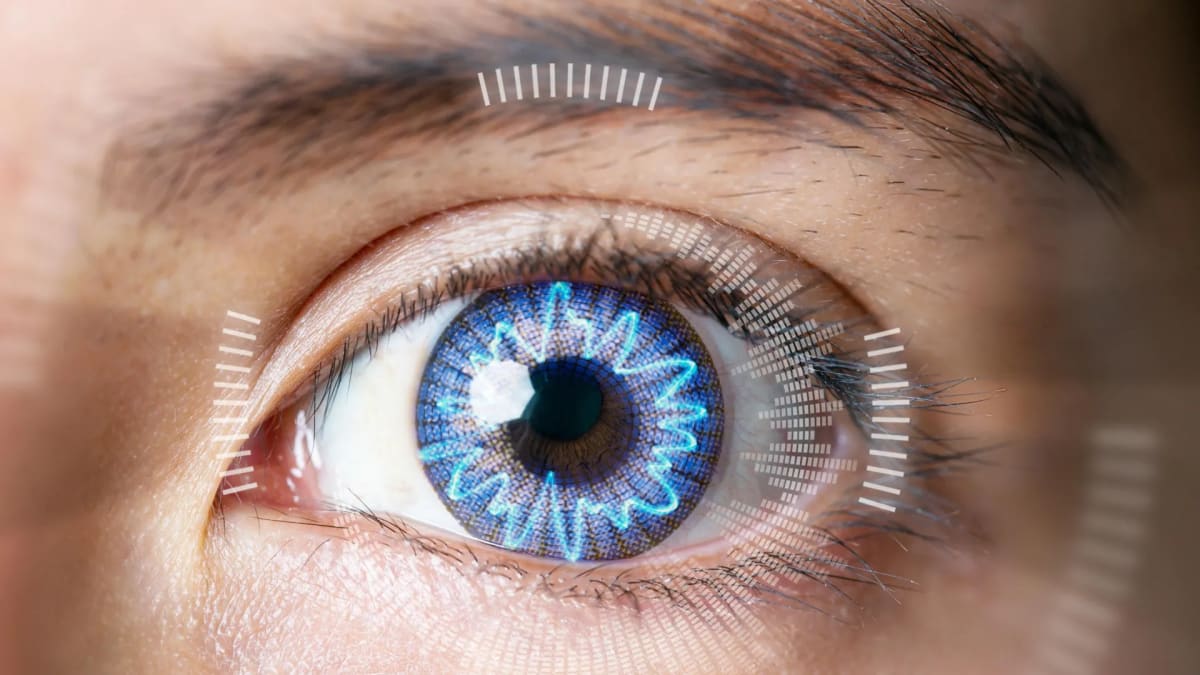
Scientists have developed a laser-free way to correct vision using gentle electrical pulses that reshape the cornea in about one minute. Early tests successfully corrected nearsightedness in rabbit eyes without cutting tissue or removing cells.
Imagine fixing your blurry vision in 60 seconds without a single incision or laser beam touching your eye.
Researchers from Occidental College and the University of California, Irvine are making that future possible with a technique called electromechanical reshaping, or EMR. Instead of carving away corneal tissue like LASIK does, this method temporarily softens the eye's surface so it can be gently molded into a new shape.
The discovery happened by accident. Brian Wong, a professor and surgeon at UC Irvine, was studying how living tissues could be reshaped when he stumbled onto something remarkable. He found that mild electrical currents can temporarily loosen the molecular bonds holding collagen-rich tissues together, making them flexible enough to reshape before they lock into their new form.
Here's how it works: Scientists created platinum "contact lenses" shaped to match the ideal curvature for clear vision. When they placed these special lenses on rabbit eyes and applied a small electrical pulse, the cornea softened and conformed to the new shape in about one minute. The tissue remained alive throughout the process because researchers carefully controlled the treatment.
The team tested 12 rabbit eyeballs, and 10 successfully achieved the focusing power needed to correct nearsightedness. Advanced imaging showed that the cornea's internal structure stayed intact, which could mean stronger, healthier eyes after treatment compared to traditional laser surgery.
Michael Hill, a chemistry professor at Occidental College, explains why this matters. "LASIK is just a fancy way of doing traditional surgery. It's still carving tissue, just carving with a laser." Removing tissue can sometimes weaken the cornea and lead to complications like dry eyes, glare, and halos around lights.
EMR could sidestep those problems entirely by preserving the eye's natural structure. Because no tissue gets removed, the cornea keeps its full strength. The technique might also cost less than LASIK since it doesn't require expensive laser systems.
Why This Inspires
Beyond fixing nearsightedness, the same technology showed promise for reversing certain types of corneal cloudiness that currently require full transplants. Researchers are now developing smart contact lenses that can monitor corneal shape and hydration in real time during treatment, making the process even more precise.
Scientists believe EMR could eventually treat farsightedness, astigmatism, and even reshape cartilage for reconstructive procedures. What started as an accidental discovery in a lab could transform how millions of people see the world, one gentle pulse at a time.
The future of vision correction might not involve cutting at all.
Based on reporting by Health Daily
This story was written by BrightWire based on verified news reports.
Spread the positivity!
Share this good news with someone who needs it