New MRI Scan Reveals Why Cancer Survivors Feel So Exhausted
Scientists finally have a tool to measure the extreme fatigue that haunts cancer survivors long after treatment ends. A specialized MRI can now peek inside muscle cells to see how their energy factories are recovering.
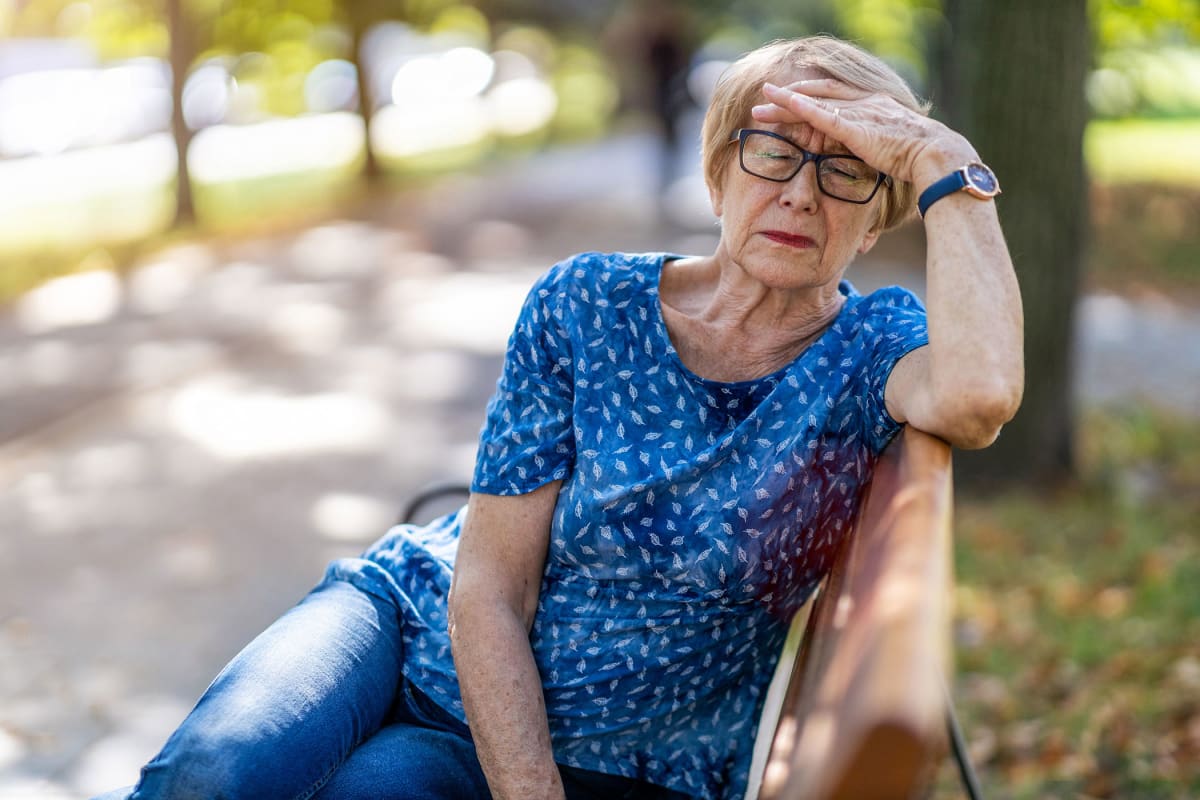
Cancer survivors know the feeling all too well: treatment is over, scans are clear, but simply walking to the mailbox feels impossible.
For years, doctors could only measure this crushing fatigue through questionnaires and surveys. Now researchers at Rutgers University, Johns Hopkins, and the National Institute on Aging have found a way to see what's actually happening inside the body.
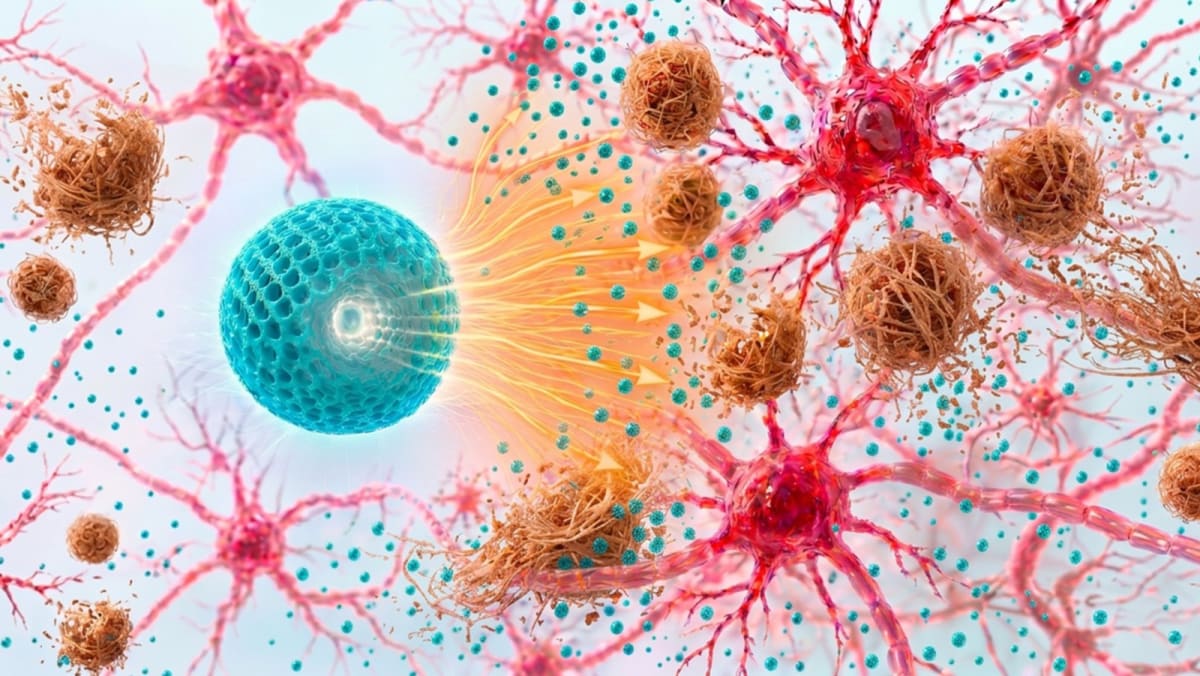
The team used a specialized MRI called phosphorus-31 magnetic resonance spectroscopy to look directly at mitochondria, the tiny powerhouses inside muscle cells that create energy. They studied 11 cancer survivors who had completed treatment for various cancers.
The test was surprisingly simple. Participants lay in a scanner with a coil over their thigh, did brief knee exercises to tire out the muscle, then the machine tracked how long it took their cells to refuel. Longer recovery times meant weaker mitochondrial function.
The results painted a revealing picture. Survivors over 65 showed 10% slower muscle energy recovery than younger patients. They also had weaker grip strength and took fewer daily steps.
Treatment type mattered too. Patients who received immunotherapy reported more fatigue and showed slower muscle recovery than those who didn't receive that treatment.
Why This Inspires
This breakthrough means doctors finally have an objective way to measure something patients have been struggling to explain for decades. Instead of relying on vague descriptions of exhaustion, clinicians can now see exactly how well a survivor's cellular batteries are recharging.
The research opens doors to better treatments. If doctors can measure mitochondrial recovery, they can test which interventions actually work and figure out the perfect timing and intensity for exercise programs.
Lead researcher Leorey Saligan from Rutgers School of Nursing points out that previous studies looked at blood cells, but blood composition shifts constantly. Skeletal muscle provides a much more stable window into what's really happening.
The study revealed something unexpected too. Among younger participants, those with worse mitochondrial recovery sometimes reported less fatigue, particularly if they scored high on resilience and coping measures. This suggests the experience of fatigue involves more than just cellular energy levels.
The team acknowledges the study was small and included a mix of cancer types and treatments. But proving this technology works is the crucial first step. Saligan's team plans to replicate the work with larger groups and eventually measure energy recovery in both brain and muscle tissue simultaneously.
For the millions of cancer survivors living with invisible exhaustion, this research offers something precious: validation that their fatigue is real and measurable, plus hope that better treatments are coming.
Based on reporting by Google News - Cancer Survivor
This story was written by BrightWire based on verified news reports.
Spread the positivity!
Share this good news with someone who needs it