New Ovarian Cancer Drug Extends Lives With Fewer Side Effects
A groundbreaking ovarian cancer treatment now available on the NHS works like a "biological missile," delivering chemotherapy directly to tumors while sparing the rest of the body. Patients are living longer, keeping their hair, and reclaiming activities they thought they'd lost forever.
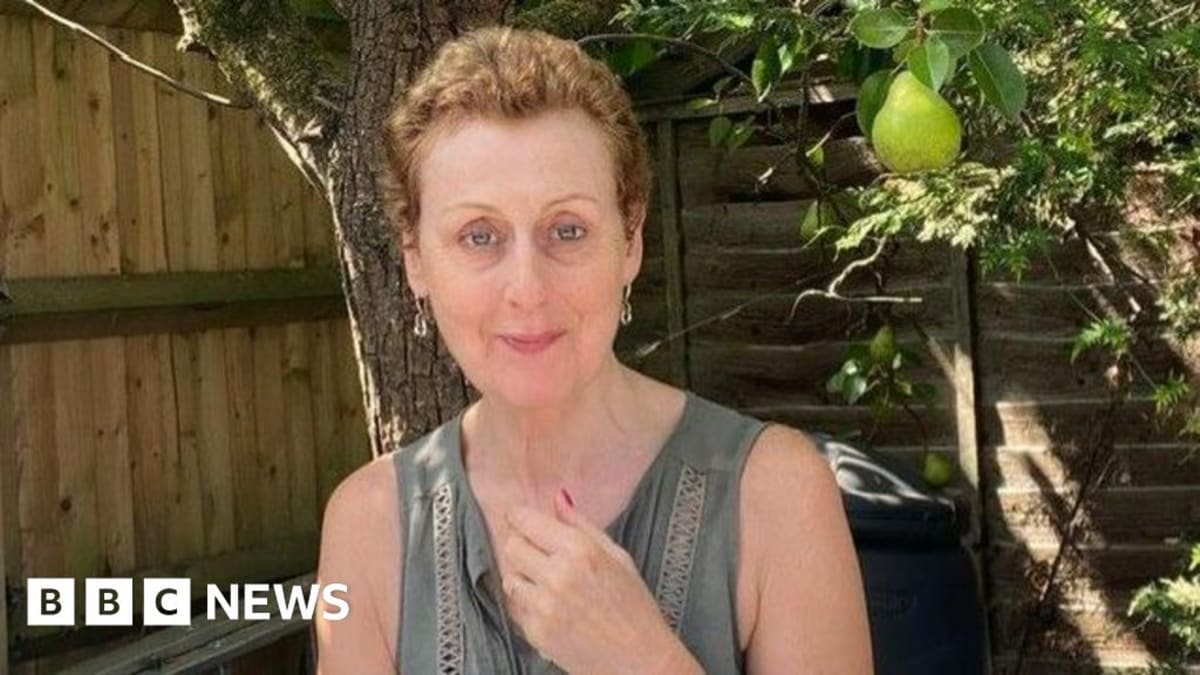
Patricia Hill can finally visit her family in Ireland again, catch West End shows, and dine out with friends. These simple joys seemed impossible just months ago when conventional chemotherapy left her exhausted and sick.
The 64-year-old from north London is one of the first patients in England to receive mirvetuximab soravtansine, a new ovarian cancer drug that's changing what treatment looks like. She calls it "a bit of a game changer."
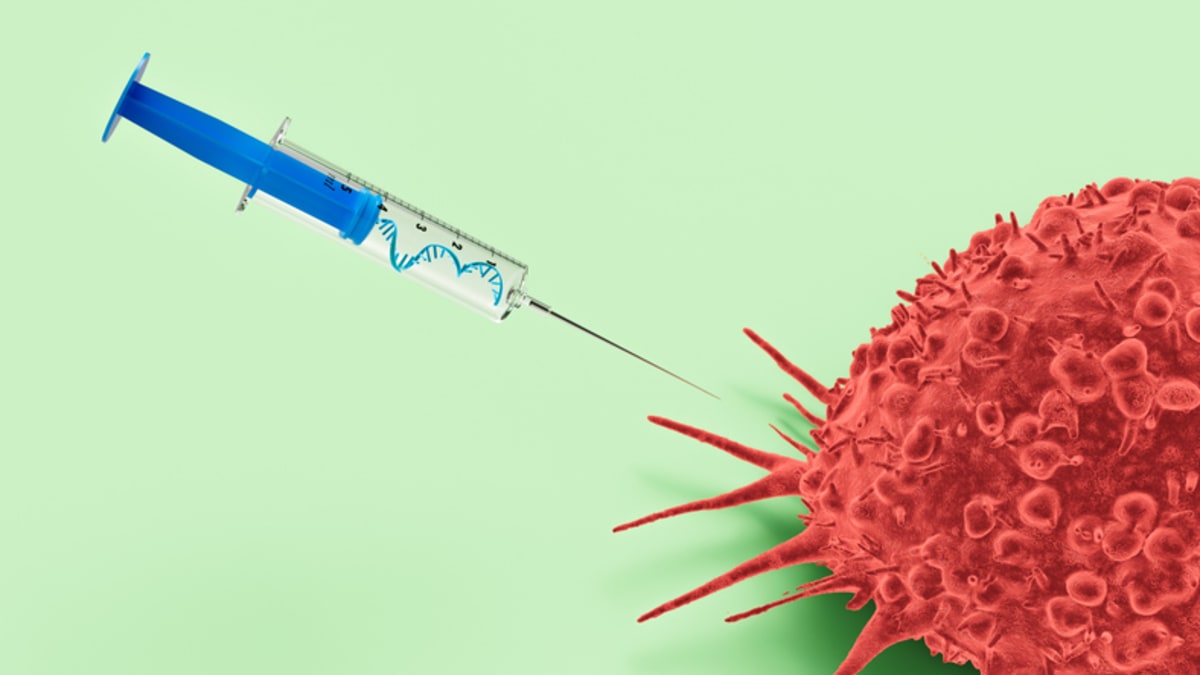
The drug works like a tiny guided missile. Scientists fused a powerful chemotherapy drug to an antibody that hunts for specific markers on ovarian cancer cells. When it finds its target, the antibody sticks to the cancer cell's surface, gets absorbed, and releases its toxic payload from the inside.
This precision means patients get a bigger dose where it counts while the rest of their body is spared. The result is fewer debilitating side effects and more time to actually live.
The numbers tell an important story. Patients on mirvetuximab live an average of 16.5 months compared to 12.8 months on standard chemotherapy. That's nearly four extra months of life.
But the real breakthrough is what happens during that time. Women keep their hair, feel less tired and sick, and only need treatment every three weeks instead of weekly. Patricia says the difference is "like night and day."
Jenny Green, 71, from Hertfordshire participated in the clinical trials that proved the drug worked. She's had hardly any side effects and her scans show the cancer nodules shrinking. "That's been amazing," she says.
Up to 400 patients a year in England will benefit from this treatment, the first new option for hard-to-treat ovarian cancer in two decades. About 30 to 40 percent of cancers that no longer respond to chemotherapy have the right markers for this therapy to work.
The Ripple Effect
Dr. Rowan Miller, who led clinical trials at University College London Hospital, spent 20 years searching for better medications. She's "really excited" that her patients finally have an option that improves survival and quality of life at the same time.
The approval sends waves of hope through the ovarian cancer community. Nearly 7,750 women are diagnosed with ovarian cancer in the UK each year, often facing limited treatment options once standard chemotherapy stops working.
Rachel Downing from Target Ovarian Cancer calls this "a hugely important moment" for women with platinum-resistant ovarian cancer and their families. These patients have faced limited effective treatments for far too long.
Patricia sums it up best: "It actually opens up a lot of possibilities. You can actually go and do a lot more than you would normally do."
For women like Patricia and Jenny, this drug means more than extended survival statistics—it means reclaiming the life they want to live.
More Images

Based on reporting by Google News - New Treatment
This story was written by BrightWire based on verified news reports.
Spread the positivity!
Share this good news with someone who needs it