New Ocean Energy Tool Helps Harness Wave Power for U.S. Coasts
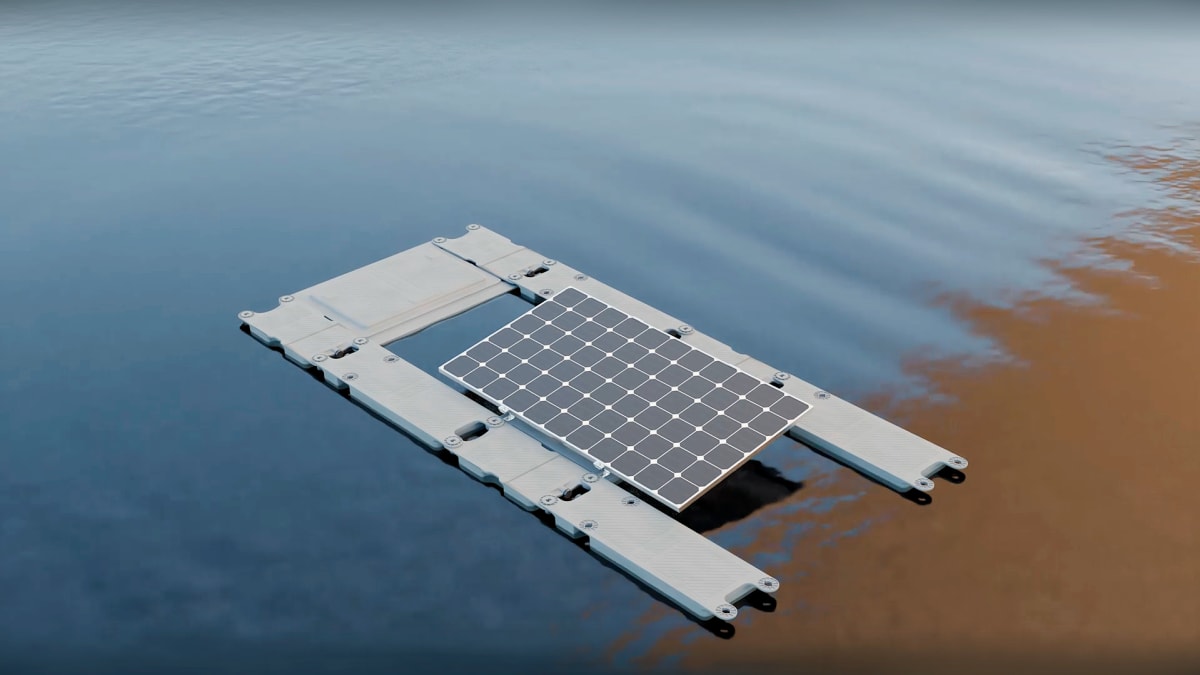
Scientists just made it easier and cheaper to capture energy from ocean waves, which could power 60% of U.S. electricity needs. A new open-source system called MODAQ 2 gives developers the data they need to turn wave power into a reality.
Ocean waves crash against our coastlines with enough force to power more than half of America's electricity needs, and scientists just took a major step toward making that possible.
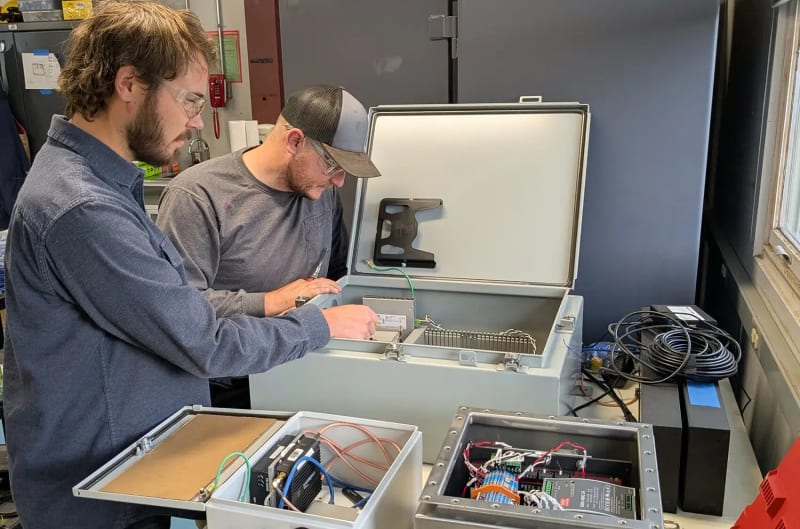
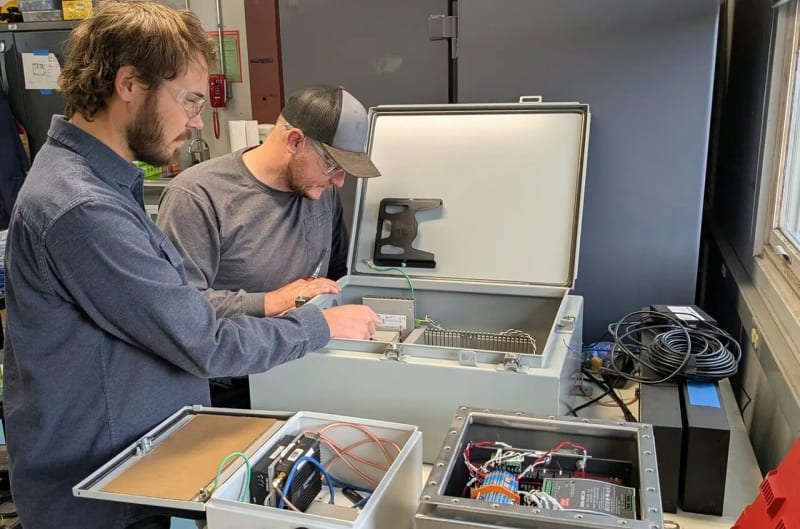
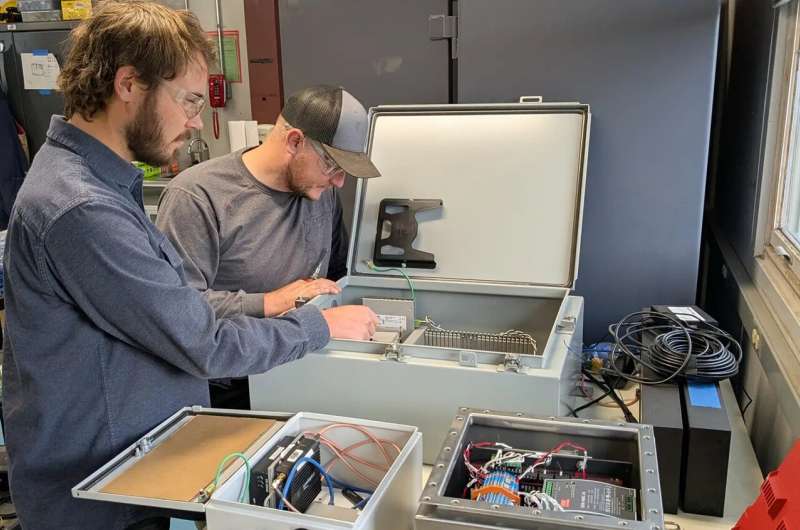
Researchers at the National Laboratory of the Rockies unveiled MODAQ 2, an upgraded data collection platform that helps marine energy developers test and improve their wave-powered devices. The system makes ocean energy technology more affordable and accessible than ever before.
The challenge with wave energy has always been the testing phase. Developers need to know how their prototypes perform in real ocean conditions, how much energy they capture, and how they hold up against storms and shifting tides. Without this data, teams risk expensive failures or waste resources building devices that won't work at scale.
MODAQ 2 solves this problem by borrowing technology from an unexpected source: space exploration. The system uses ROS2, the same open-source robotics framework NASA employs for lunar rovers and robots on the International Space Station. This allows researchers to monitor and control ocean devices remotely, just like scientists do with rovers on distant planets.
Once deployed in the water, marine energy devices become ocean robots operating in harsh, remote environments where humans can't easily reach them. Engineers can power devices on and off, adjust settings, and collect performance data from shore, giving them "eyes" on their technology even when it's miles offshore.
The new version improves on the original in critical ways. Developers can now choose systems that fit smaller budgets, use more common programming languages, or scale down to match their specific device size. Because ROS2 is open-source, teams don't need expensive software licenses or proprietary tools to make it work.
The Ripple Effect
MODAQ 2 is already making waves in real-world applications. The University of Hawaii is using it to test a wave energy prototype, while C-Power relies on it for their SeaRAY device. Both organizations are collecting vital performance data while managing their systems from dry land.
This spring, researchers will deploy SURF-WEC, a small underwater flap device that swings back and forth with the waves to generate electricity, off the coast of Oahu. It will stay submerged for up to a year, with MODAQ 2 tracking every detail of its performance.
The technology represents more than just better data collection. It's removing barriers that have kept wave energy from reaching its potential, giving coastal communities a path toward cleaner, more reliable power and helping ocean industries operate sustainably.
By making ocean energy testing faster, cheaper, and more accessible, MODAQ 2 is helping turn the endless motion of our seas into a practical power source for the future.
More Images

Based on reporting by Phys.org - Technology
This story was written by BrightWire based on verified news reports.
Spread the positivity!
Share this good news with someone who needs it