New Plasma Treatment Could Transform Brain Injury Care
Vanderbilt researchers are testing whether fresh frozen plasma can protect brain cells and reduce swelling after traumatic brain injuries. If successful, it would be the first targeted TBI treatment in decades for the 2 million Americans who suffer these injuries each year.
More than two million Americans suffer traumatic brain injuries every year, and until now, doctors could only support their bodies and hope their brains would heal on their own. That's about to change.
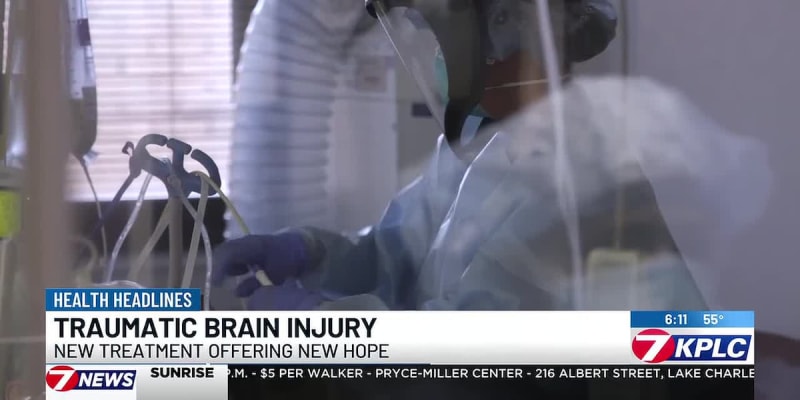
Researchers at Vanderbilt University Medical Center are testing a promising new treatment that could revolutionize how we treat brain injuries. The therapy uses fresh frozen plasma, a blood component, to limit brain damage in the critical hours after trauma.
"We have no specific treatment for traumatic brain injury that targets the brain injury itself," explains Dr. Amelia Maiga, a trauma surgeon at Vanderbilt. For years, medical teams have watched helplessly as secondary brain damage unfolds in the hours and days after an accident, unable to stop the ongoing harm to brain cells.
The new approach targets this secondary damage directly. Early results show that plasma given within the first few hours of a traumatic brain injury appears to help patients recover faster and better.
Animal studies support the therapy's promise, showing that plasma can protect brain cells and reduce dangerous swelling. The timing is crucial because brain injuries don't just happen at the moment of impact. The initial trauma triggers a cascade of damage that continues long after the accident, affecting memory, speech, mood, and balance.
Why This Inspires
This research represents the first potential breakthrough in TBI treatment in decades. For trauma surgeons who've spent careers managing brain injuries without effective tools, the prospect of finally having a targeted treatment brings real hope.
The beauty of this approach is its simplicity. Plasma is already available at trauma centers, making it practical to implement if the study succeeds. No complex new drugs or expensive equipment required, just a blood component that's been hiding in plain sight.
For families who've watched loved ones struggle after brain injuries, this research offers something precious: the possibility of better recoveries and fuller lives. More than a quarter of patients with serious head injuries don't survive, and those who do often face years of challenges.
Dr. Maiga captures what drives this work: "It would be really positive to have something that we can give clinically that we know would help patients and we could return these patients to their families and their lives."
Major trauma centers across the country are joining the study, racing to prove that something as straightforward as a plasma transfusion could save countless lives and restore countless futures.
Based on reporting by Google News - New Treatment
This story was written by BrightWire based on verified news reports.
Spread the positivity!
Share this good news with someone who needs it