New Safety Standards Boost Floating Solar Farm Growth
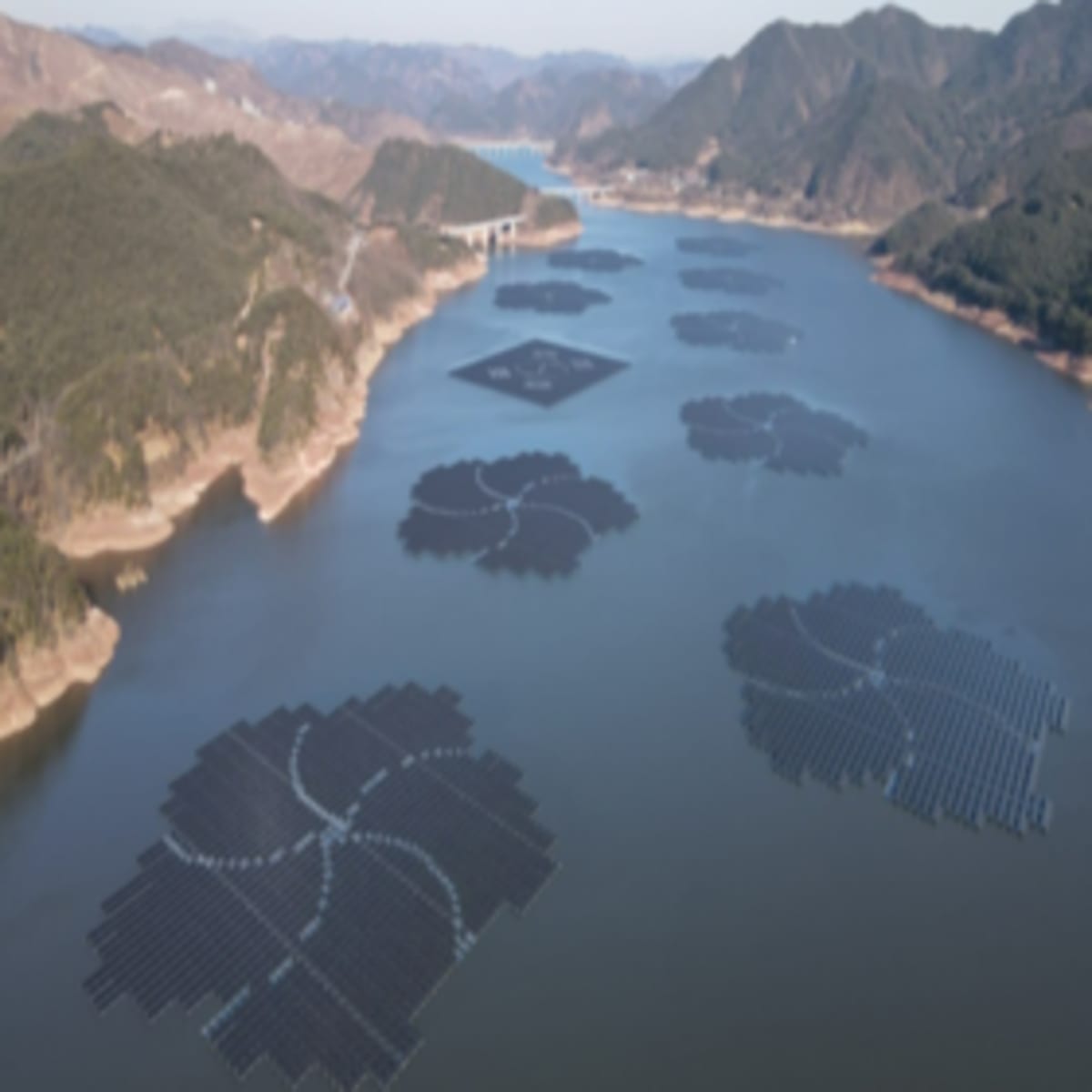
Global energy experts just released groundbreaking safety guidelines that will help floating solar farms scale up safely worldwide. The standards arrive just as this innovative technology prepares to explode from 77 gigawatts of capacity by 2033.
Imagine solar panels floating on lakes and reservoirs, generating clean energy without taking up valuable land. That vision just got a major boost from new safety standards designed to help this technology grow responsibly.
DNV, a leading independent energy expert, released two comprehensive guidelines specifically for floating solar systems. These standards address the biggest technical challenges that have held back large-scale deployment of this promising renewable energy technology.
The first standard focuses on the floating structures themselves. It covers everything from material selection to testing requirements, with special attention to how materials hold up under constant sun exposure and water contact. The guidelines help engineers design floats that won't fail unexpectedly, protecting both the equipment and surrounding waterways.
The second standard tackles the mooring systems that keep floating solar farms anchored in place. These guidelines help designers account for wind, waves, and water currents to prevent panels from drifting or sinking. The standards include risk assessment procedures to identify potential weak points before they become problems.
"Floating solar is moving from niche applications to large-scale infrastructure," said Ditlev Engel, CEO of Energy Systems at DNV. The new standards help the industry manage risk while leaving room for innovation and improvement.
The Ripple Effect
These standards arrive at the perfect moment. Analysis by Wood Mackenzie predicts floating solar capacity will reach 77 gigawatts globally by 2033, led by massive deployments in India, China, and Indonesia.
Floating solar offers unique advantages over traditional ground-mounted systems. The panels stay cooler thanks to water evaporation, making them more efficient. They also reduce water loss from reservoirs by blocking evaporation. Communities can generate clean energy without sacrificing farmland or natural habitats.
The new guidelines complement DNV's existing solar system recommendations from 2021, with an updated version coming this June. Together, these standards create a comprehensive framework that lets developers, investors, and regulators move forward with confidence.
By establishing clear safety benchmarks now, the industry can avoid the growing pains that have slowed other renewable technologies. Projects can move faster through permitting, financing becomes easier, and insurance costs drop when everyone follows proven standards.
Countries with limited land but abundant water resources now have a clearer path to renewable energy independence, built on a foundation of safety and reliability.
More Images
Based on reporting by PV Magazine
This story was written by BrightWire based on verified news reports.
Spread the positivity!
Share this good news with someone who needs it