New Study: Weight-Loss Drug Cuts Alcohol Cravings by 50%
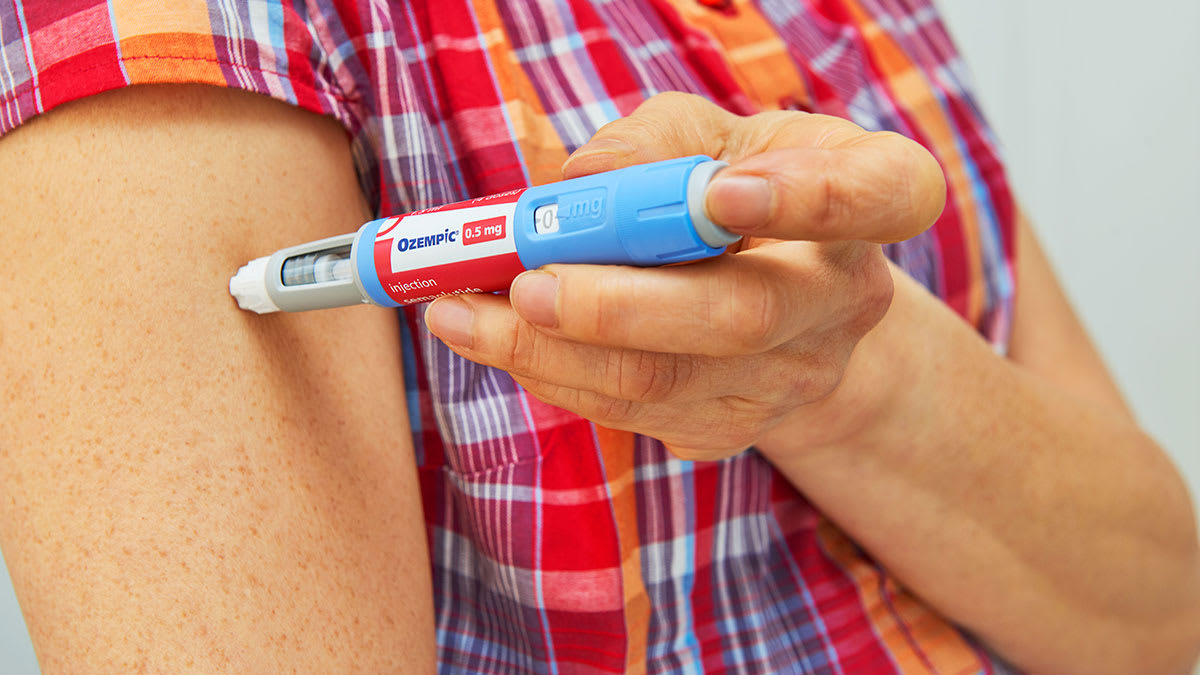
The diabetes and weight-loss medication semaglutide (Ozempic/Wegovy) just proved effective at treating alcohol-use disorder in a major clinical trial. Millions struggling with problem drinking now have a new treatment option their doctors already know how to prescribe.
A medication already famous for treating diabetes and obesity is showing remarkable promise for another widespread problem: alcohol addiction.
A six-month study published in The Lancet found that semaglutide, the drug behind Ozempic and Wegovy, significantly reduced alcohol consumption in people with alcohol-use disorder. Both the treatment group and control group saw drops in drinking within six weeks, but people taking semaglutide experienced bigger and longer-lasting improvements.
The results mean that doctors can now prescribe an existing, FDA-approved medication off-label to help patients cut back on drinking. Since physicians are already comfortable prescribing GLP-1 drugs for weight loss, adoption could happen quickly.
Here's the fascinating part: we've actually had an effective alcohol treatment for decades. The Sinclair Method, developed in the 1980s, uses the medication naltrexone to retrain the brain by blocking alcohol's pleasurable effects. Studies show it works, yet few doctors prescribe it and few patients know it exists.
The reason has less to do with science and more to do with psychology. The Sinclair Method requires patients to keep drinking while taking the medication, which sounds dangerous to addiction treatment programs built around total abstinence. Alcoholics Anonymous and traditional rehab centers measure success in days without drinking, making a treatment that involves continued alcohol use seem counterintuitive or even reckless.
Semaglutide sidesteps this cultural roadblock entirely. The protocol doesn't require drinking, so it doesn't trigger alarm bells for recovery communities, family members, or court-ordered treatment programs. Ironically, animal studies suggest GLP-1 drugs work through a similar mechanism as naltrexone by making alcohol less rewarding.
The difference is in the framing. Semaglutide fits comfortably within existing beliefs about addiction treatment, while naltrexone challenged them.
The Bright Side
This breakthrough matters for the 29 million Americans struggling with alcohol-use disorder and their families. Having multiple treatment options means more people can find an approach that works for their unique situation and beliefs about recovery.
The broader lesson is equally hopeful: sometimes the barrier to solving a problem isn't finding the right answer but presenting it in a way people can accept. We may have had the tools to help millions of people all along, just waiting for the right moment and the right messenger.
Now that GLP-1 drugs have proven their versatility across multiple conditions, they're opening doors that similar treatments couldn't.
More lives saved, more families restored, and a reminder that second chances at solving old problems can appear in unexpected places.
More Images


Based on reporting by Google News - New Treatment
This story was written by BrightWire based on verified news reports.
Spread the positivity!
Share this good news with someone who needs it