Scientists Find Fat-Burning Switch That Strengthens Bones
Researchers at McGill University discovered a molecular switch in brown fat that burns calories and could lead to new treatments for bone disease. The breakthrough reveals how glycerol activates a hidden energy system that also affects bone strength.
Scientists have found a molecular "switch" that turns on a hidden calorie-burning system in brown fat, and it might help people with weak bones.
Researchers at McGill University discovered that glycerol, a molecule released when fat breaks down in cold temperatures, activates an enzyme called TNAP. This enzyme triggers an alternative heat-producing pathway that scientists have puzzled over for years.
The discovery, published in Nature, solves a mystery about how brown fat works. Unlike white fat that stores energy, brown fat burns calories to create heat and keep us warm.
Professor Lawrence Kazak and his team found that glycerol fits into a special pocket on the TNAP enzyme, flipping the switch that activates this second heat-producing system. It's the first time scientists have identified how this alternative pathway gets turned on.
But here's where it gets really exciting. The same TNAP enzyme plays a crucial role in building strong bones.
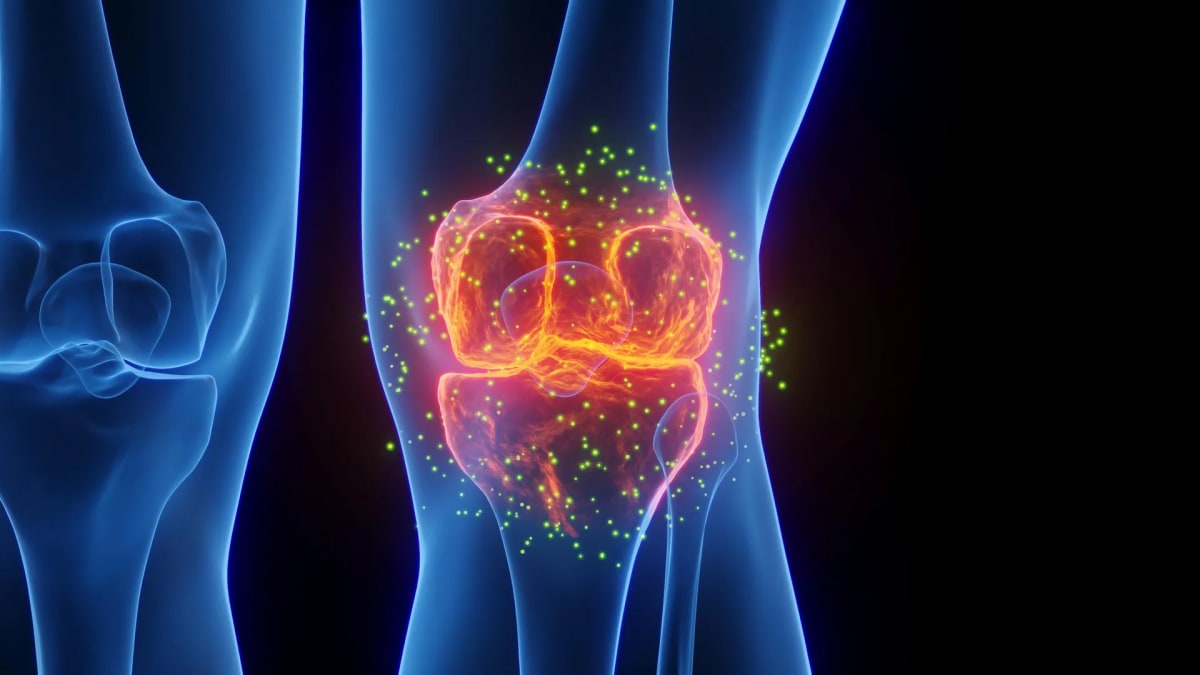
TNAP helps bones calcify, the process that makes them hard and strong. When people have mutations that reduce TNAP activity, they can develop hypophosphatasia, a rare condition sometimes called "soft bones." This disorder causes fractures, chronic pain, and skeletal problems, and it's more common in parts of Canada like Quebec and Manitoba.
The research team discovered that the same molecular switch controlling energy burning in fat cells also directly affects the cells responsible for bone hardening. This connection opens entirely new possibilities for treatment.
Professor Marc McKee, who previously helped develop the first enzyme replacement therapy for hypophosphatasia patients, sees enormous potential. Increasing TNAP activity through its glycerol pocket using natural or synthetic compounds could restore deficient bone mineralization to healthy levels.
The Ripple Effect: This discovery connects two seemingly separate body systems in an unexpected way. What started as research into how we stay warm could help people with debilitating bone conditions live fuller, more comfortable lives. The team has already identified dozens of possible drug candidates for future investigation, bringing hope to patients who have few treatment options today.
The research brought together scientists from multiple institutions, including Queen Mary University of London, Northeastern University, and the Sanford Burnham Prebys Medical Discovery Institute. Funding came from Canadian health research organizations committed to advancing medical breakthroughs.
Sometimes the most important discoveries come from asking simple questions about how our bodies work, and this molecular switch might change lives in ways researchers never imagined when they started.
Based on reporting by Health Daily
This story was written by BrightWire based on verified news reports.
Spread the positivity!
Share this good news with someone who needs it