New Telescope Spotted Interstellar Comet Before Discovery
The Rubin Observatory captured images of an interstellar visitor on its very first night of practice runs, ten days before the comet was officially discovered. Two Jupiter-bound spacecraft later teamed up to reveal this ancient traveler might be up to 12 billion years old.
A brand new telescope accidentally photographed a visitor from another star system on its very first night taking practice pictures.
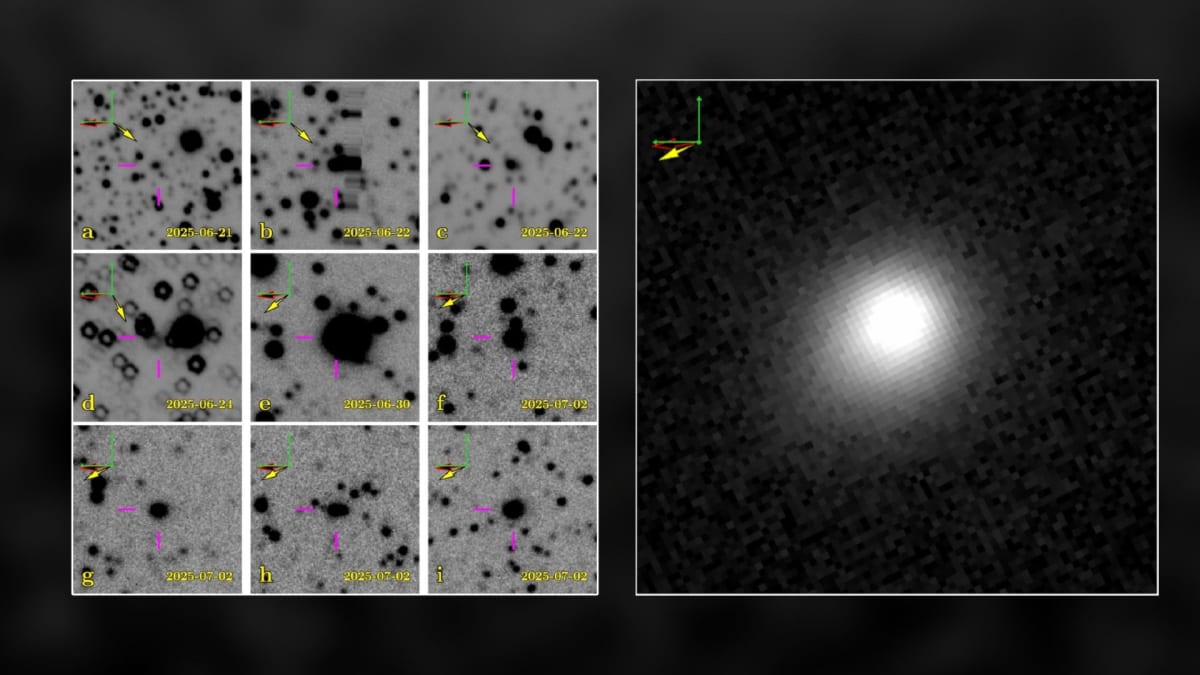
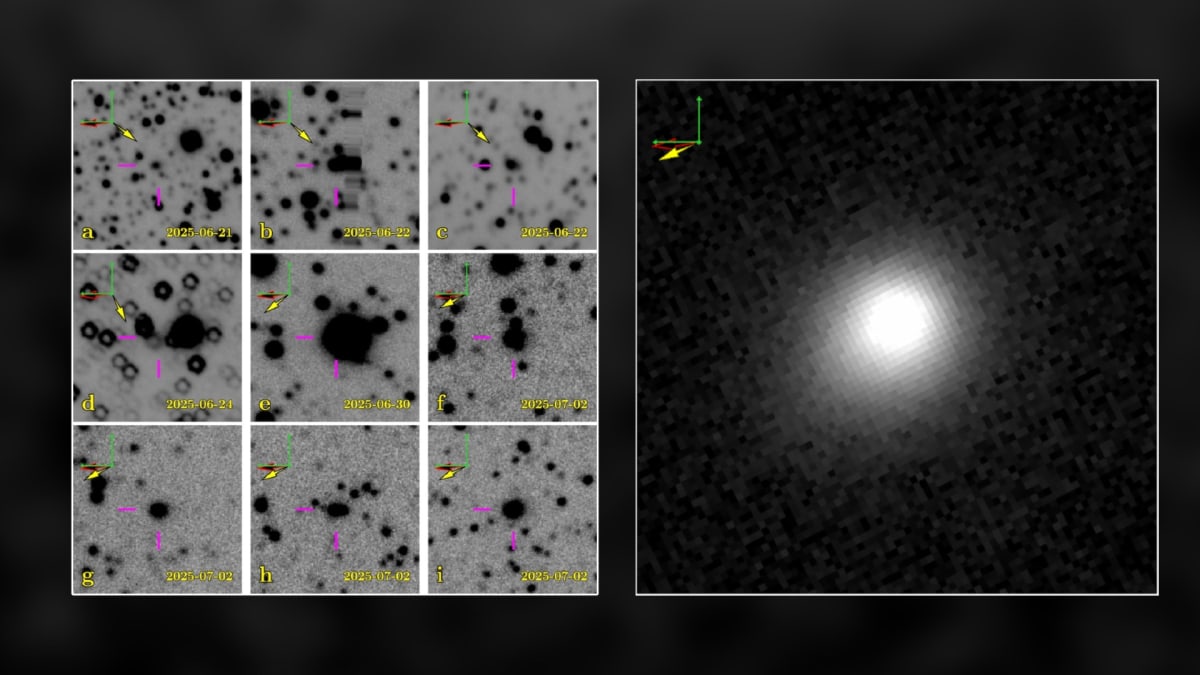
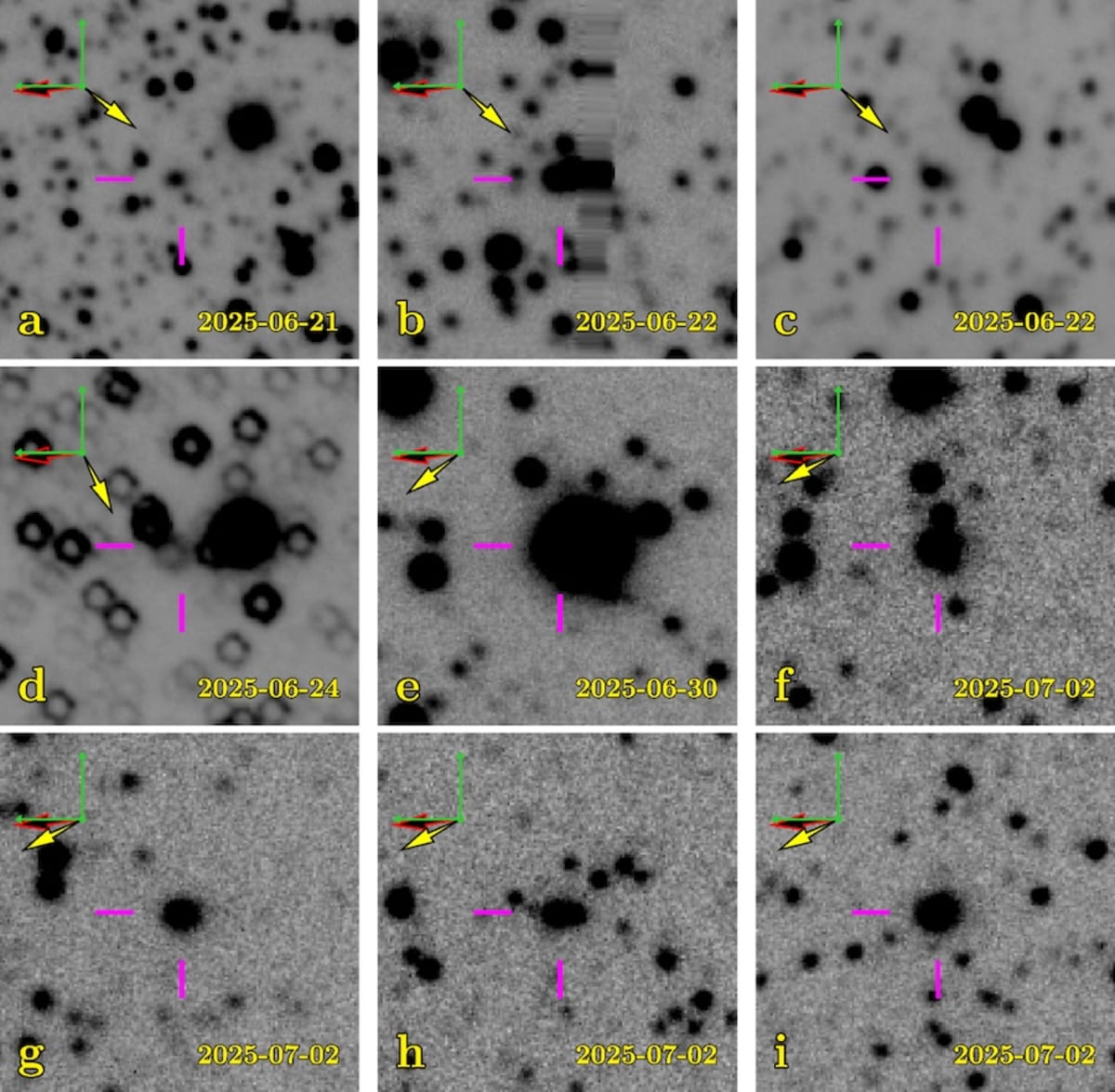
The Vera C. Rubin Observatory in Chile was just testing its equipment on June 20, 2025, when it captured images of what would become known as interstellar comet 3I/ATLAS. The Asteroid Terrestrial-impact Last Alert System wouldn't officially spot the comet until July 1, a full ten days later.
Researchers from the University of Washington went digging through Rubin's early test data to see if the telescope had seen the comet first. What they found was even better than expected: Rubin had photographed the cosmic wanderer nine more times between June 21 and July 2 without anyone realizing it.
The images clearly showed the comet was already active, with a glowing cloud of dust and gas surrounding its icy core. If Rubin had started its practice runs just a few weeks earlier, its data systems might have been ready to claim the discovery for itself.
The early detection proves something exciting about our future. Rubin is designed to find up to 10,000 new comets over its first decade of operation, and scientists estimate it could spot one interstellar visitor passing through our neighborhood every year.
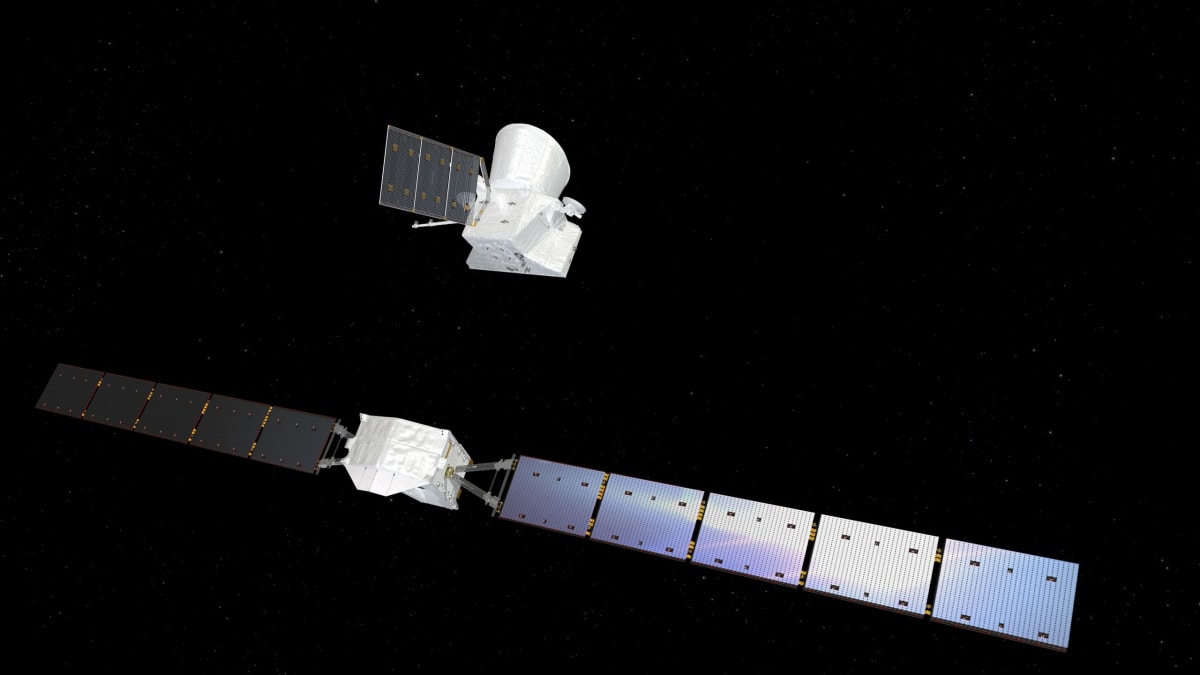
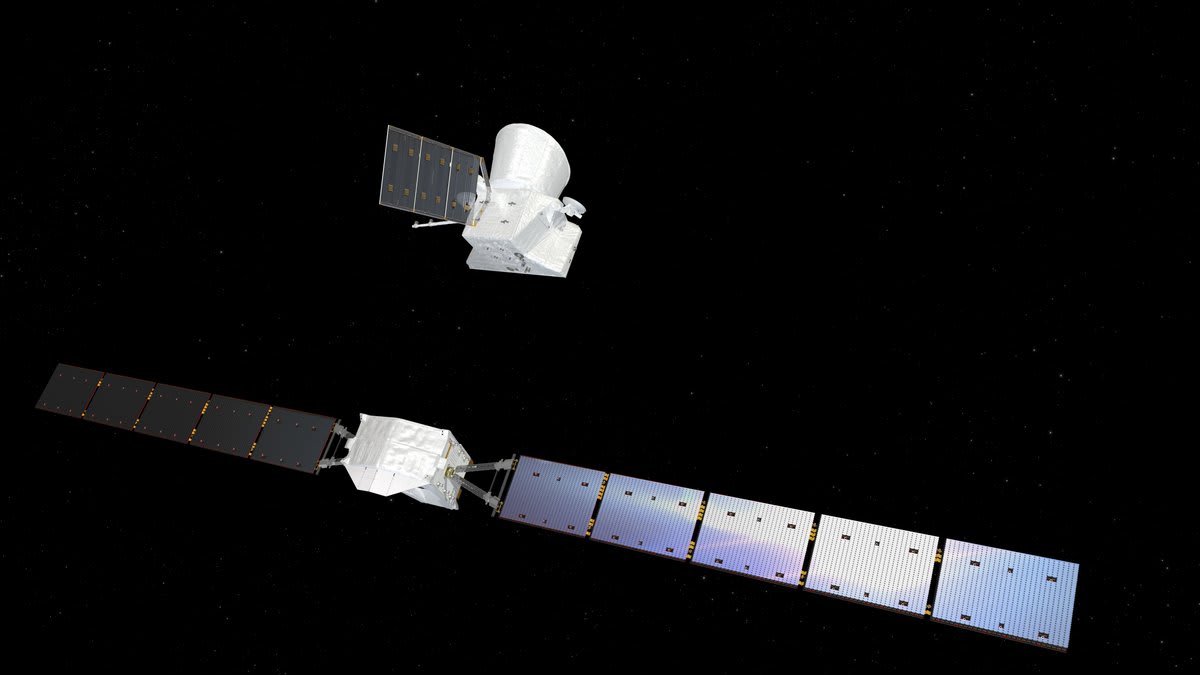
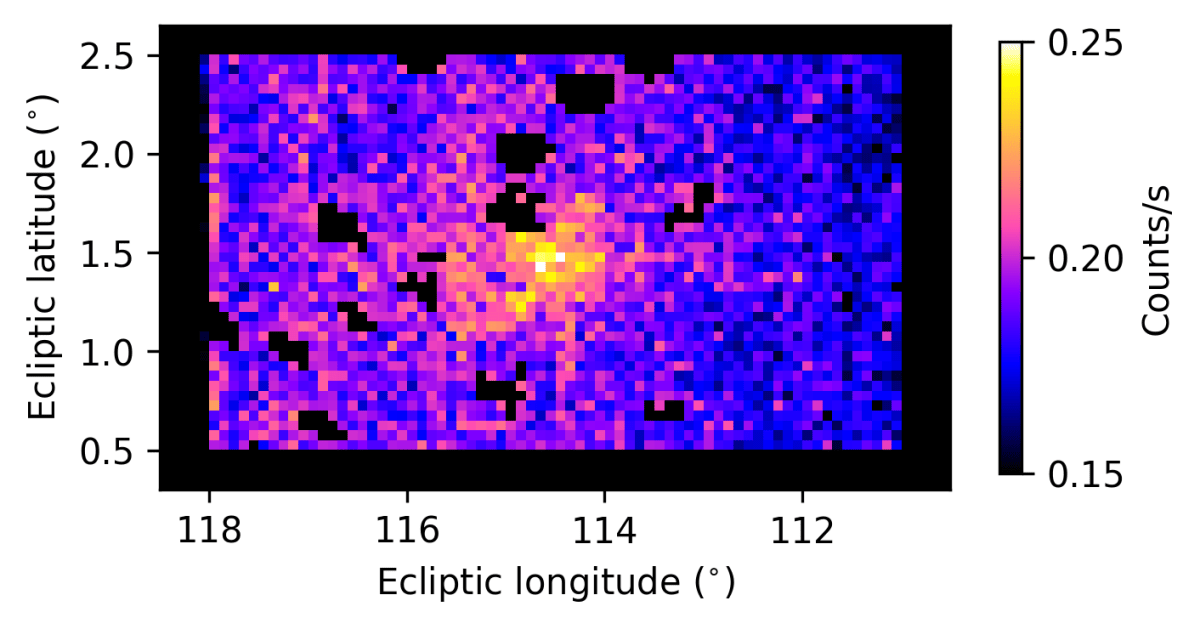
Meanwhile, two spacecraft heading to Jupiter decided to work together for an even closer look. NASA's Europa Clipper and the European Space Agency's JUICE mission both observed 3I/ATLAS in late 2025 when the comet was hidden behind the sun from Earth's view.
The timing was perfect. JUICE saw the comet's sunny side while Europa Clipper watched its dark side, giving scientists a complete picture of the same gas emissions from two different angles.
Their instruments detected something unusual: way more carbon than typical comets from our solar system carry. This confirms what the James Webb Space Telescope had already hinted at, suggesting the comet's home star system might have formed differently than ours.
Scientists now know the comet's core is about half a mile wide and racing through space at 140,000 miles per hour. That incredible speed tells them this traveler is ancient, somewhere between seven and twelve billion years old, and has been slingshotted around many other stars during its long journey.
The Ripple Effect
This cosmic visitor is teaching us about solar systems we've never seen and may never reach. Every measurement helps scientists understand how our corner of space compares to the rest of the galaxy, revealing whether the ingredients that made Earth are common or rare.
The collaboration between ground telescopes and spacecraft shows what's possible when different teams share their view of the same wonder.
More Images

Based on reporting by Space.com
This story was written by BrightWire based on verified news reports.
Spread the positivity!
Share this good news with someone who needs it