
New Comet Arrives Over New Zealand This May
A newly visible comet is gracing New Zealand skies this month, giving Kiwis a rare chance to witness a cosmic visitor. While faint now, the comet is expected to climb higher throughout May.
Find uplifting stories about heroes, innovations, and solutions
147 results for "comets"
A newly visible comet is gracing New Zealand skies this month, giving Kiwis a rare chance to witness a cosmic visitor. While faint now, the comet is expected to climb higher throughout May.
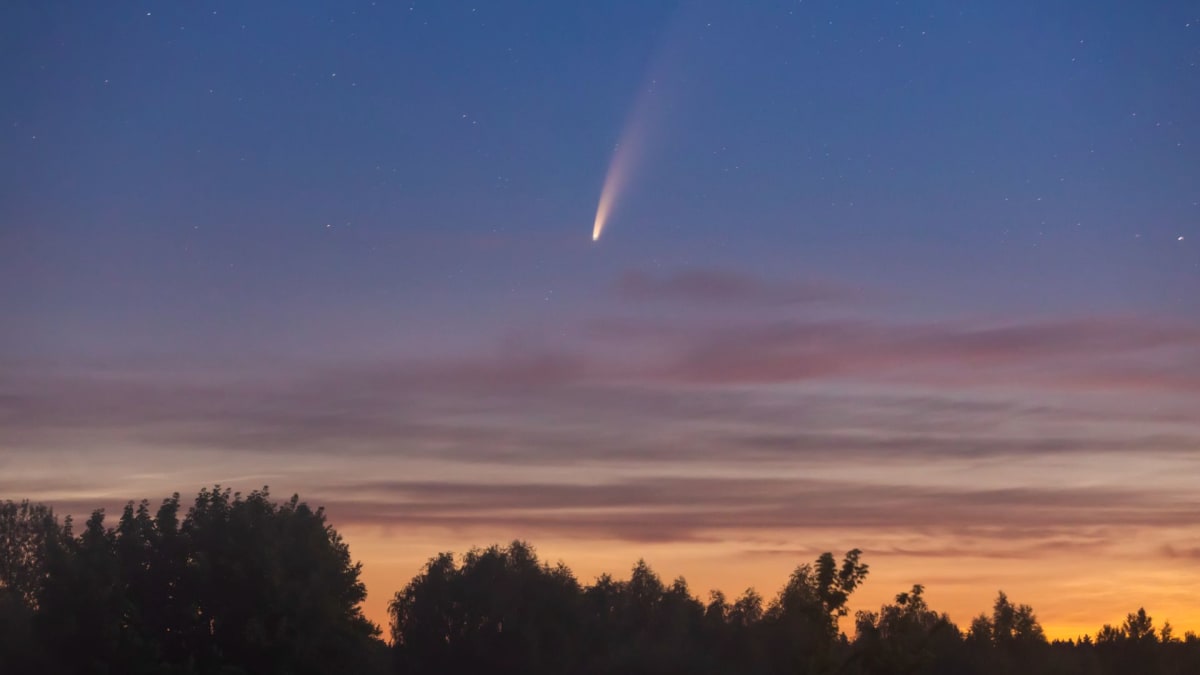
A newly brightening comet could become visible to the naked eye in mid-April, offering early risers a rare celestial show. Comet PanSTARRS is expected to reach peak brightness around April 20 when it passes closest to the sun.

A spacecraft caught a comet "switching on" a second tail as it made its closest approach to Earth on April 26. The rare cosmic light show revealed how comets create stunning dual tails when approaching the sun.
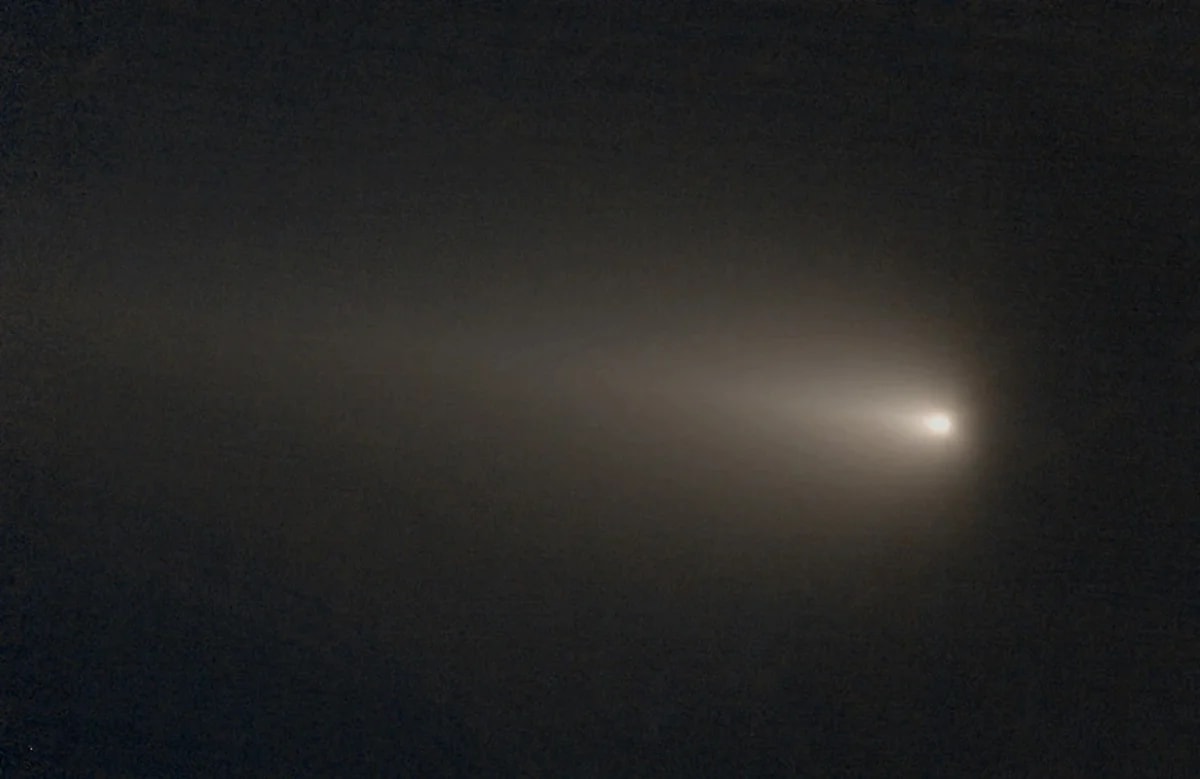
Four astronauts circling the moon this week might witness a stunning comet during their historic journey. If Comet MAPS survives its close encounter with the sun, it could create an unforgettable view from their spacecraft window.
A rare comet could brighten enough for people to see with their naked eyes or binoculars this month, offering early risers an exciting celestial show. The comet reaches its brightest points between April 20 and 27.
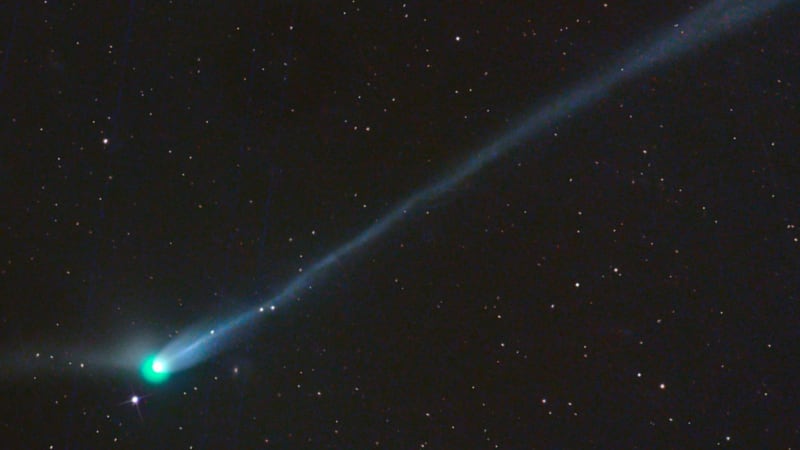
A rare green comet the size of a small city is making its final pass by Earth this week before being flung into deep space forever. Scientists say Comet Wierzchoś will spend millions of years drifting through the galaxy after its one-time visit to our cosmic neighborhood.
Astronomers discovered a rare comet that might become bright enough to see with the naked eye next spring. This comet belongs to a special family that has produced some of history's most spectacular sky shows.

NASA's James Webb Space Telescope discovered methane and unusual carbon dioxide levels in an interstellar comet passing through our solar system. The findings reveal this cosmic visitor formed under completely different conditions than our homegrown comets.
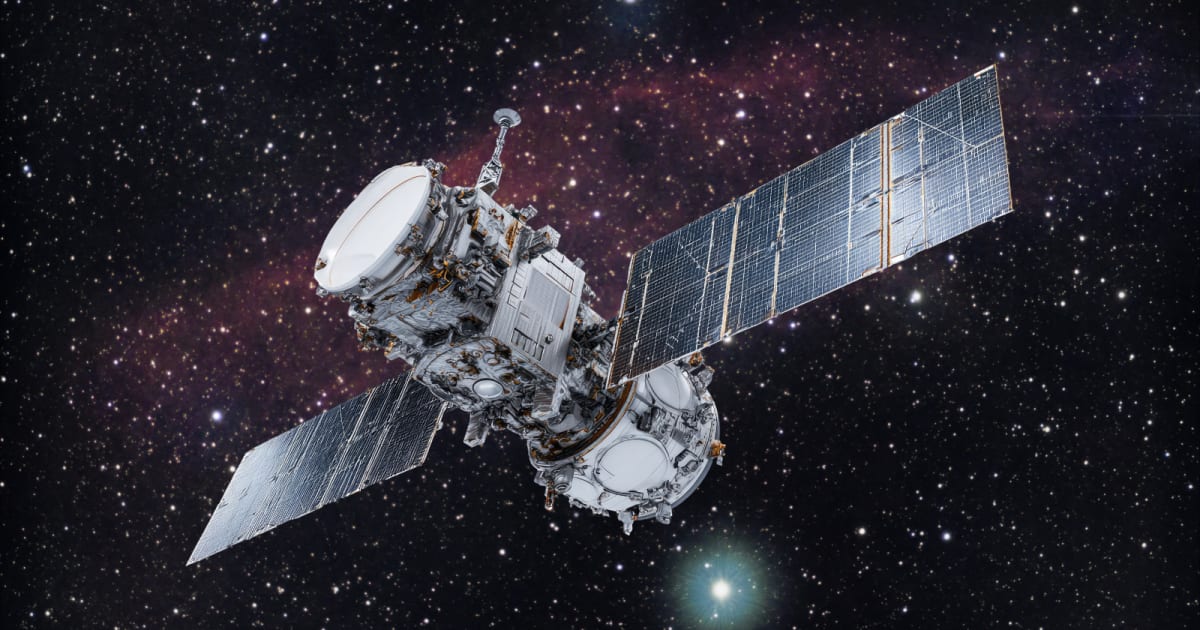
A spacecraft flying alongside a comet discovered amino acids and phosphorus streaming off its surface, the same chemical ingredients that helped create life on Earth. Scientists captured the first unambiguous proof that comets can carry and preserve these vital molecules through the solar system.
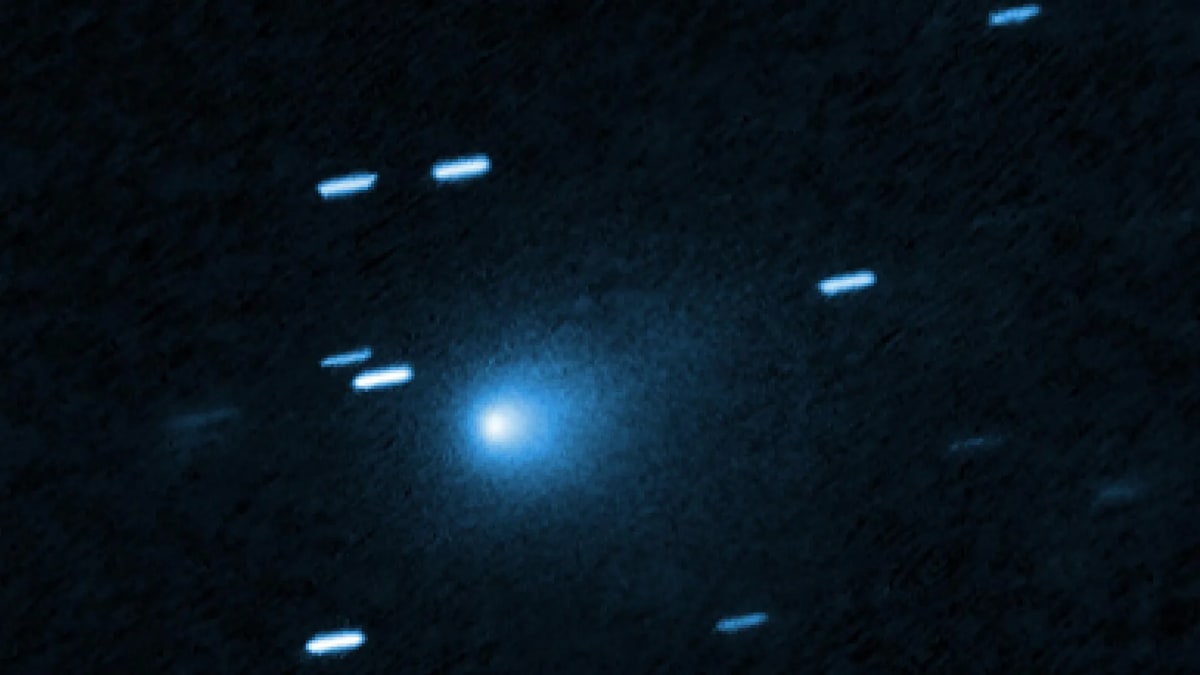
NASA's James Webb Space Telescope detected methane on a comet from another star system for the first time, revealing chemistry unlike anything we've seen before. The discovery gives scientists their first real glimpse into how alien solar systems form planets and comets.
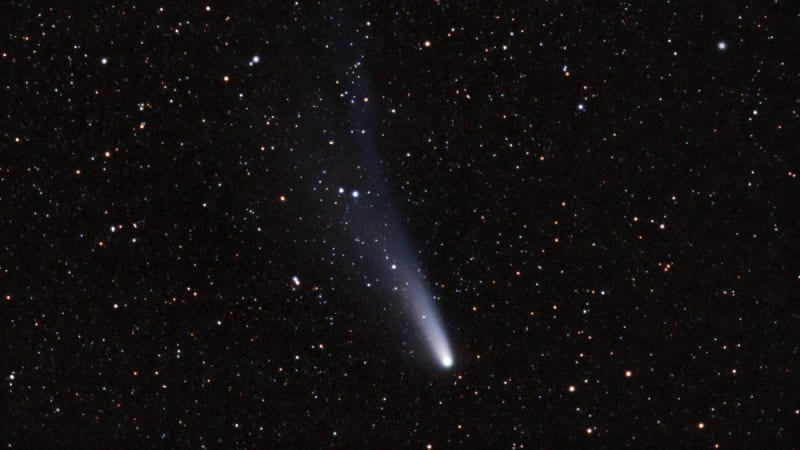
Four amateur astronomers in southern France discovered a comet heading toward the Sun 300 million kilometers away, earlier than any similar comet has been detected before. Using just four private telescopes and tracking software, they beat major space agencies to one of astronomy's most exciting finds.
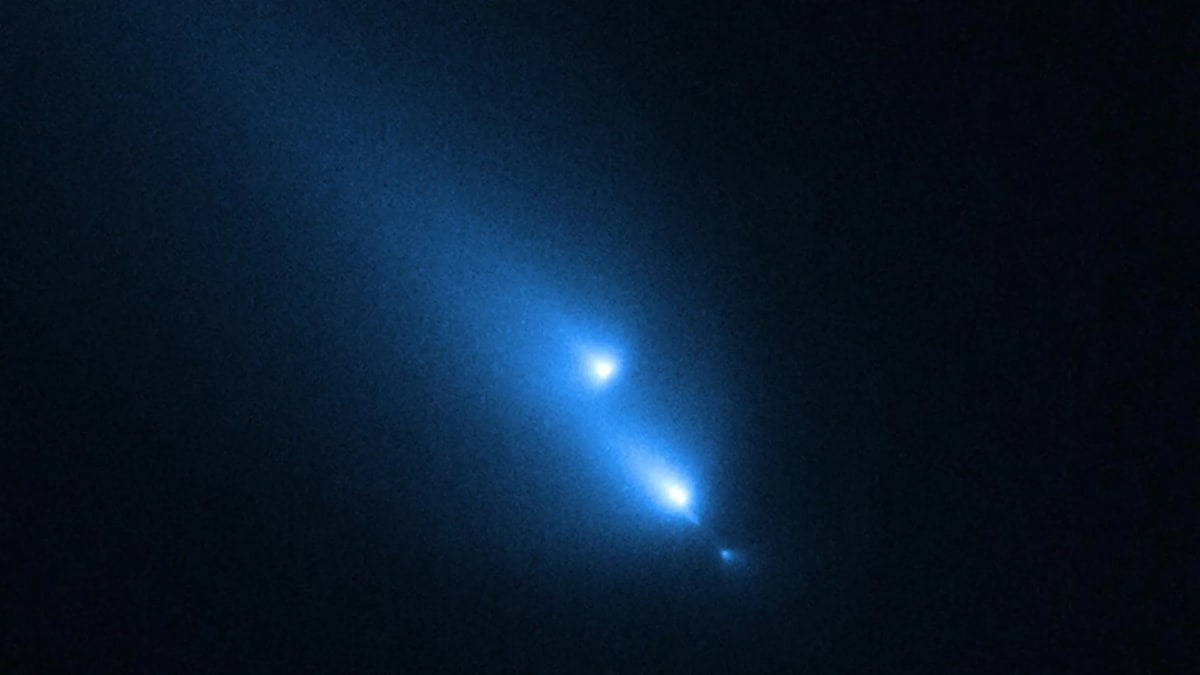
In a cosmic stroke of luck, NASA's Hubble Space Telescope accidentally captured a comet splitting into pieces as it happened, something scientists have tried and failed to observe for years. The team was studying a completely different comet when they stumbled upon this once-in-a-lifetime view.
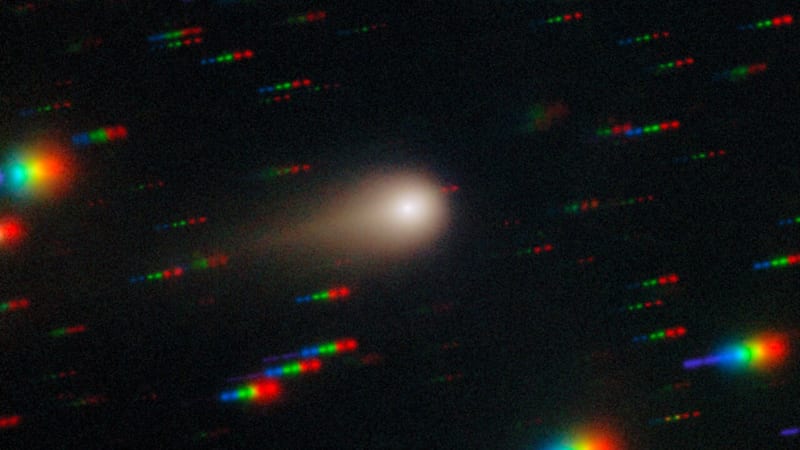
Researchers have designed a daring spacecraft mission that could catch up with an interstellar comet traveling through our solar system by using the sun's gravity as a cosmic slingshot. If launched in 2035, the mission would reach Comet 3I/ATLAS by 2085, traveling farther and faster than any spacecraft in history.

Scientists studying an interstellar comet passing through our solar system discovered it contains 30 times more heavy water than any comet from around our sun. The finding suggests our home solar system formed in unusually warm conditions compared to other star systems.
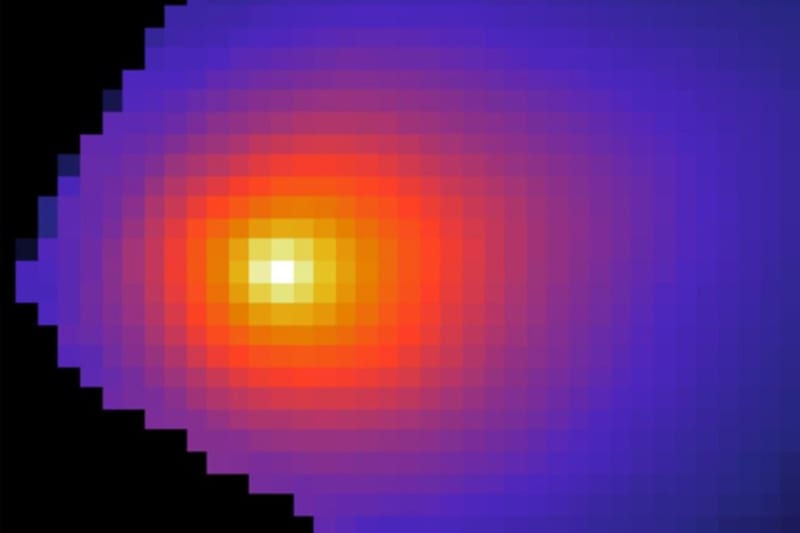
After a seven-month journey through our solar system, interstellar comet 3I/ATLAS has faded from view, leaving astronomers with treasure trove of data from one of the most-studied comets in history. The ancient visitor from another star system is now heading back into deep space, reminding us of the wonders waiting beyond our cosmic neighborhood.

A comet that hasn't visited Earth in 170,000 years is lighting up predawn skies right now, and Monday offers the best chance to spot it near a crescent moon. You only need binoculars and an early alarm.
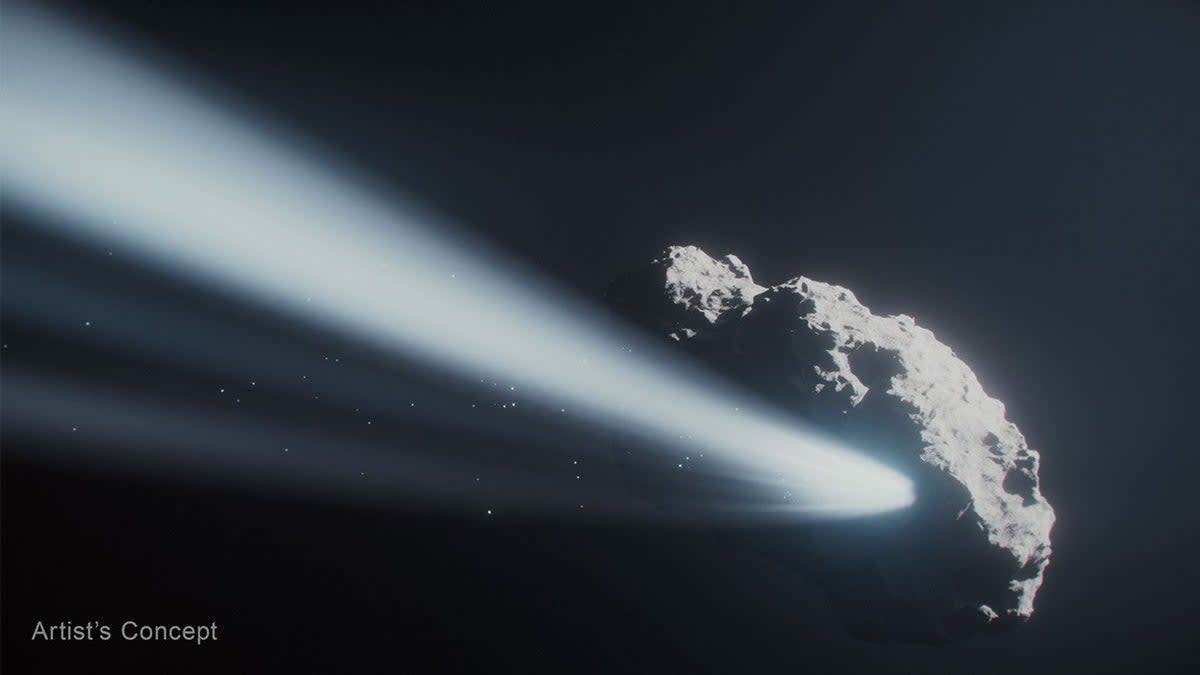
Scientists caught a comet doing something never seen before: completely reversing its spin direction after slowing nearly to a stop. The rare cosmic flip happened in just weeks instead of the usual centuries.
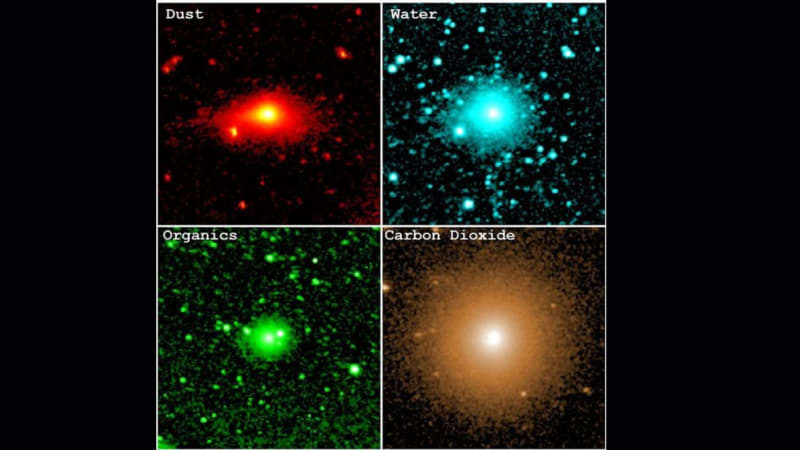
A comet from another star system sprayed organic molecules past Earth in December, giving scientists a rare glimpse at the chemistry that could seed life across the universe. NASA's SPHEREx telescope captured the ancient visitor releasing methanol, cyanide, and methane as it warmed near our sun.
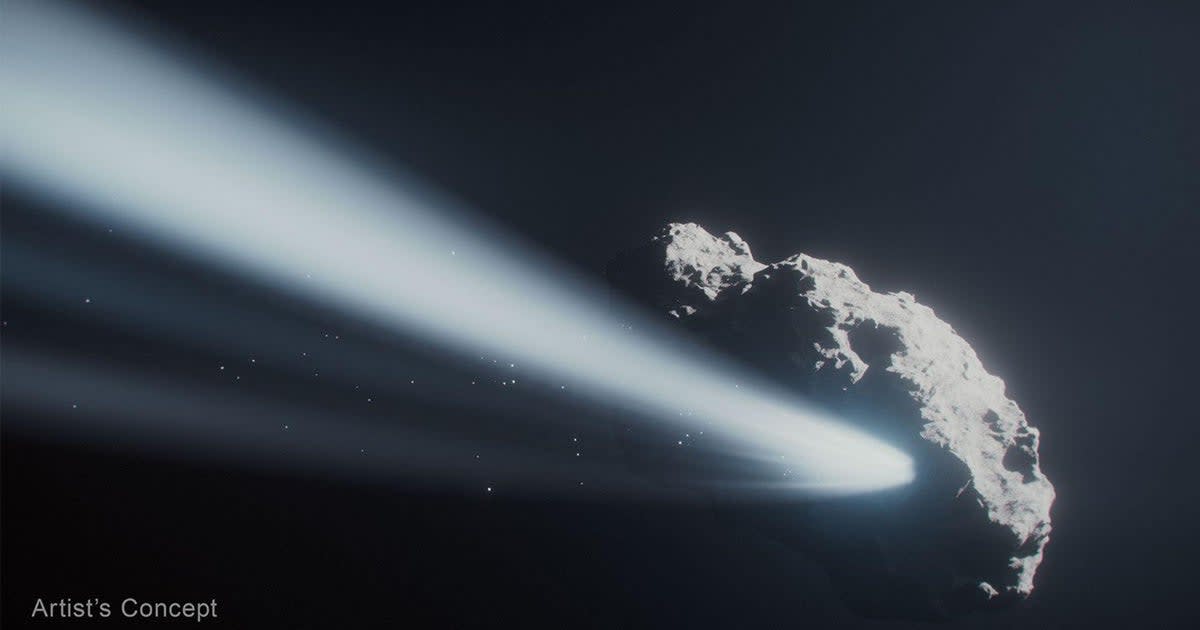
Scientists discovered a comet that slowed down, stopped, and then started spinning the opposite direction after jets of gas pushed it like a cosmic merry-go-round. The discovery happened by digging through old NASA data, proving that space observations made decades ago still hold new secrets.
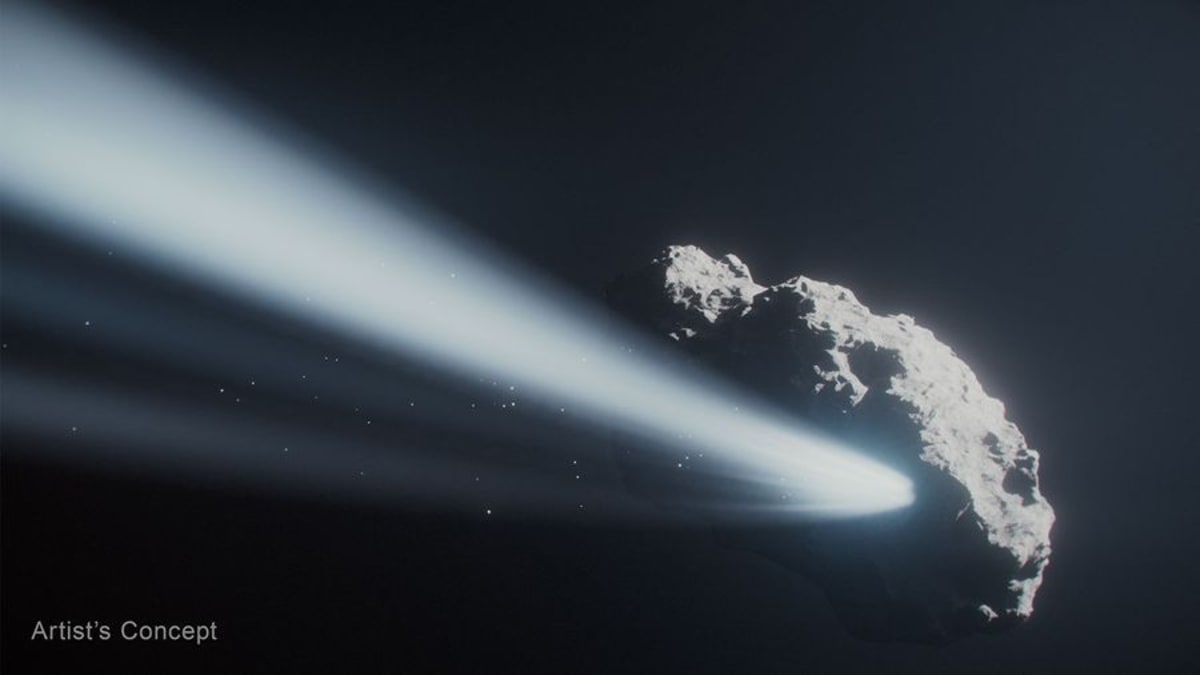
For the first time, astronomers watched a comet slow down, stop, and then start spinning the opposite way. The discovery reveals how dynamic and powerful these icy space wanderers really are.
Showing 20 of 147