Comet 67P Carried Life's Building Blocks Through Space
A spacecraft flying alongside a comet discovered amino acids and phosphorus streaming off its surface, the same chemical ingredients that helped create life on Earth. Scientists captured the first unambiguous proof that comets can carry and preserve these vital molecules through the solar system.
Between 2014 and 2016, a European spacecraft flew through a cloud of gas streaming from a comet and found something remarkable: the building blocks of life itself.
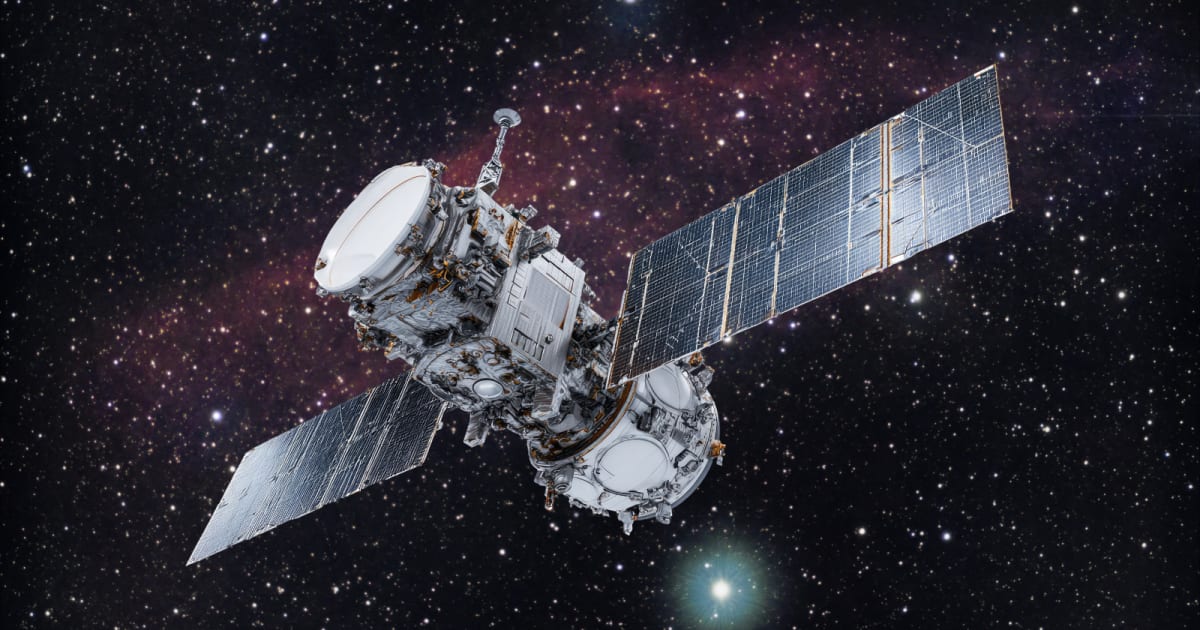
The Rosetta spacecraft spent two years analyzing Comet 67P as it approached the Sun. Among the gases it detected were glycine, the simplest amino acid used to make proteins, and phosphorus, a crucial element in DNA and cell membranes.
This wasn't the first time scientists suspected comets might carry such molecules. But it was the first time they measured them directly in space, with no risk of contamination from Earth.
Kathrin Altwegg at the University of Bern led the team using ROSINA, a pair of instruments that sort molecules by weight. The detections were strongest in August 2015, when the comet came closest to the Sun and warmed up, releasing molecules from icy grains.
The discovery supports a decades-old idea that comets and asteroids bombarding early Earth could have delivered the chemical ingredients needed for life to begin. Instead of life starting from nothing, these ancient frozen bodies may have seeded our planet with the right materials.
The same measurements revealed the comet's atmosphere would smell terrible if anyone could actually smell it. Hydrogen sulfide would give off the stench of rotten eggs, ammonia would smell like a horse stable, and hydrogen cyanide would add notes of bitter almonds.
But the comet's atmosphere is so thin it's closer to a vacuum than anything you could breathe. The "perfume" is just a vivid way scientists described which compounds were present.
Why This Inspires
This finding doesn't prove comets created life on Earth. One amino acid is vastly different from a living cell, and scientists still don't know exactly how life began.
What makes this discovery hopeful is how it narrows the mystery. For billions of years, comets have been cosmic delivery vehicles, carrying and preserving complex molecules across the solar system.
Every time a comet passes Earth, it's carrying fragments of the same ancient chemistry that may have made our existence possible. We're learning that the ingredients for life aren't rare or special, they're scattered throughout space, riding on balls of ice and dust.
Rosetta ended its mission in 2016 by landing on the comet's surface. Scientists are still working through its archive of measurements, finding new details about what else these frozen time capsules contain.
The comet wasn't carrying life, just some of the pieces life needs to start.
More Images



Based on reporting by Google News - Science
This story was written by BrightWire based on verified news reports.
Spread the positivity!
Share this good news with someone who needs it