New Test Speeds Solar Panel Reliability Checks by 90%
Australian researchers created a faster way to test solar panels for long-term durability, cutting testing time from over 1,000 hours to days. The breakthrough helps manufacturers build more reliable renewable energy systems without the wait.
Scientists at the University of New South Wales just solved a problem that's been slowing down solar energy progress: figuring out if new solar panels will last decades without waiting decades to find out.
The team developed a testing method that predicts how TOPCon solar cells (a newer, more efficient type) will perform over their lifetime in just days instead of months. Traditional tests took over 1,000 hours and often gave misleading results because they exposed panels to conditions that don't match real-world environments.
Lead researcher Bram Hoex and his team discovered the secret was using nitrate solutions at carefully controlled acidity levels. This mimics the mildly acidic environment that naturally forms inside solar panels as they age in the sun, giving manufacturers accurate predictions without the endless wait.
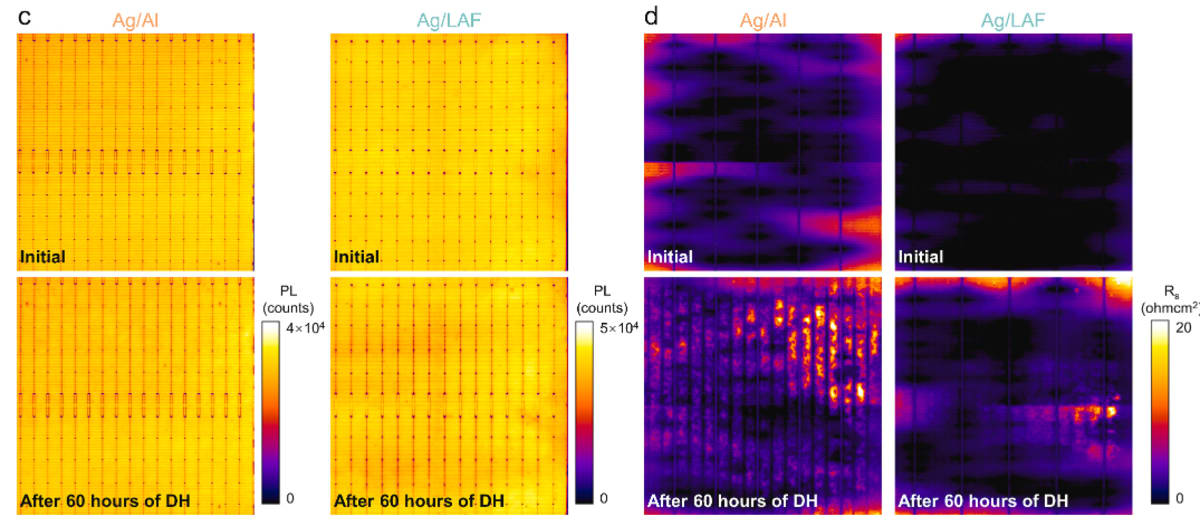
The researchers tested two types of solar cell contacts and found dramatically different wear patterns. Cells with silver and aluminum contacts proved more durable, while those using laser-processed contacts broke down faster under acidic conditions, revealing critical information manufacturers need before mass production.
Why This Inspires
This testing breakthrough arrives exactly when the world needs it most. Solar energy installations are skyrocketing globally as countries race to meet climate goals, but uncertainty about panel longevity has been a major concern for investors and homeowners alike.
Now manufacturers can rapidly test new materials and designs at the cell stage, before committing to expensive full-scale production. That means cheaper, more reliable solar panels reaching rooftops and solar farms faster, accelerating the shift away from fossil fuels.
The method also prevents costly mistakes. By identifying weak points early, companies avoid producing thousands of panels that might fail prematurely, reducing waste and building consumer confidence in solar technology.
Hoex emphasized the practical impact: manufacturers can now optimize their materials and production choices in weeks rather than years, slashing development costs while ensuring better products reach consumers.
The research team published their findings in the Chemical Engineering Journal, making the methodology available to solar manufacturers worldwide. Multiple test replications confirmed the results are reproducible, meaning any solar company can adopt this approach immediately.
As global solar capacity continues its exponential growth, innovations like this testing method work quietly behind the scenes, ensuring the panels powering our clean energy future will keep generating electricity reliably for decades to come.
More Images

Based on reporting by PV Magazine
This story was written by BrightWire based on verified news reports.
Spread the positivity!
Share this good news with someone who needs it