New Tool Helps Researchers Spot Suspect Journals Fast
A free online platform now flags questionable academic journals in seconds, protecting researchers from predatory publishers. The tool reveals publishing patterns that once took hours to uncover manually.
Researchers now have a powerful ally in the fight against sketchy academic journals that take their money without proper peer review.
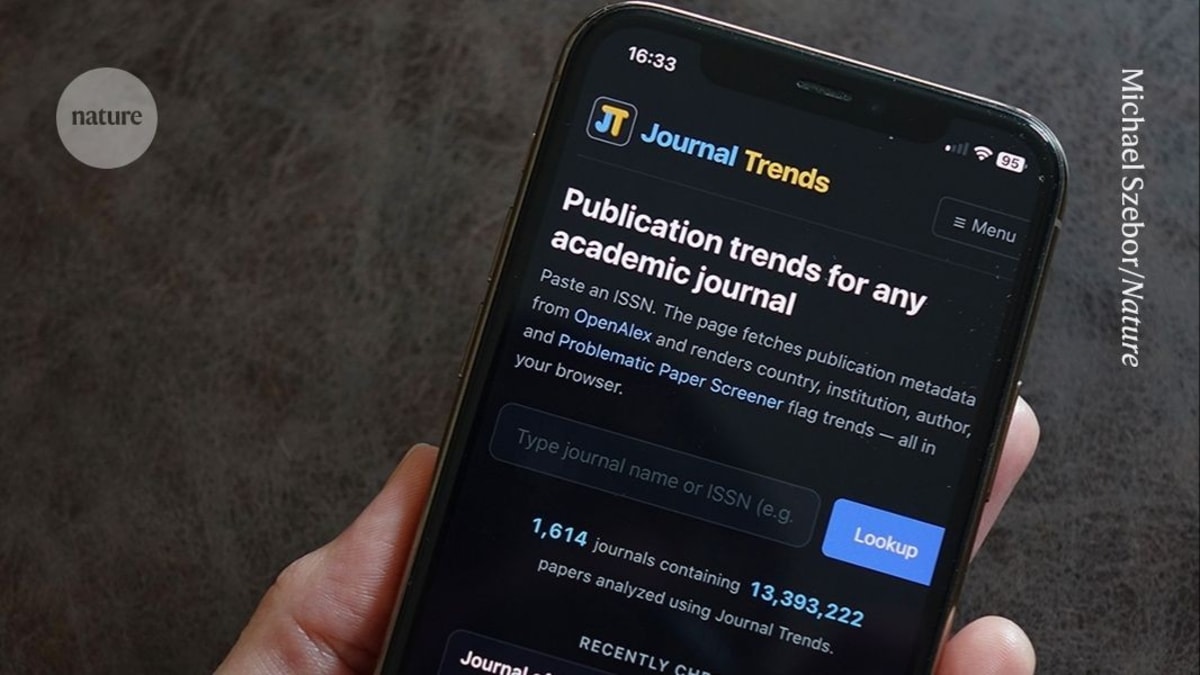
Achal Agrawal, a data scientist in India, launched Journal Trends last month to solve a problem he knew all too well. He used to spend hours manually checking journals for red flags before deciding where to submit his work.
The free tool makes that process instant. Researchers simply enter a journal's ID number and get a breakdown of its publishing patterns by country and year.
Why does this matter? The number of academic journals has exploded in recent years, making it harder than ever to separate trustworthy publications from predatory ones. Some questionable journals charge researchers up to $1,200 in publishing fees while skipping proper review processes entirely.
The tool spots warning signs quickly. A sudden spike in published papers, especially from a single country, often signals a journal is prioritizing volume over quality. Journal Trends visualizes these patterns in seconds rather than hours.
René Aquarius, a research integrity investigator at Radboud University Medical Center in the Netherlands, says the platform will help both individual researchers and misconduct investigators identify systemic problems.
The tool pulls data from OpenAlex, an open-source alternative to commercial databases. It also integrates with Problematic Paper Screener, which scans millions of papers weekly for signs of potential misconduct.
One example shows how powerful the tool can be. The International Journal of Advances in Signal and Image Sciences published just 19 papers in 2024. In 2025, publications jumped to 153, with over half including an Indian author. The journal was delisted from trusted databases but still advertises its old credentials while charging hefty fees.
The Ripple Effect
Agrawal founded India Research Watch, an online community highlighting research integrity issues, before creating this tool. His work protects not just individual researchers from wasting money and damaging their careers, but also helps preserve trust in scientific publishing overall.
The platform empowers early-career researchers who may lack experience identifying problematic journals. It also saves veteran scientists valuable time they can redirect toward actual research.
By making publishing patterns transparent and accessible, Journal Trends puts power back in researchers' hands when choosing where to share their work with the world.
More Images


Based on reporting by Nature News
This story was written by BrightWire based on verified news reports.
Spread the positivity!
Share this good news with someone who needs it