New Toolkit Helps Forest Farmers Protect Trees and Income
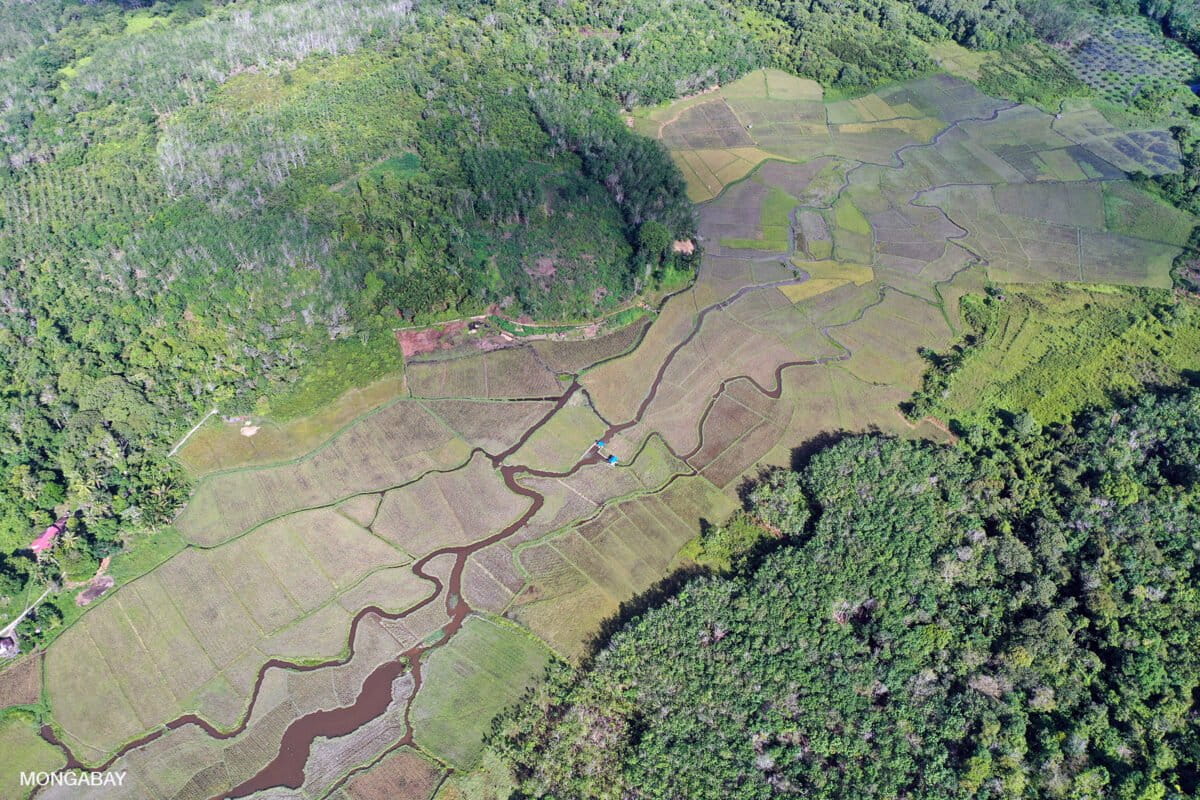
A former corporate executive turned advocate has helped create a groundbreaking toolkit that makes forest protection affordable and practical for small farmers in Indonesia. The simple guide lets farming communities map their own forests and choose how to protect them while still earning a living.
For years, forest protection rules were designed for big companies with deep pockets, leaving small farmers stuck between saving forests and feeding their families. Now a new toolkit is finally giving those farmers the power to do both.
Aida Greenbury spent years managing sustainability for one of Indonesia's largest forestry companies. She helped create strict deforestation standards that worked great for corporations with teams of consultants and compliance budgets. But when it came time to apply those rules on the ground, she saw a troubling pattern.
Small farmers kept getting shut out of the system. They couldn't afford the expensive maps, traceability documents, and legal paperwork that buyers demanded. Meanwhile, companies found it easier to avoid working with thousands of individual farmers than to help them meet the standards.
Greenbury realized the system was backwards. The people living closest to the forests had the strongest reasons to protect them, yet the rules treated them like risks instead of partners.
She left her corporate job and started sitting on cement floors in village homes, listening to frustrated farming families. Those conversations changed everything. In Indonesia, small farmers manage a huge share of agricultural land, growing oil palm, rubber, cocoa and coffee. Some work tiny family plots while others operate larger farms, but they all faced the same impossible choice under existing rules.
The Bright Side
The new Deforestation-Free Toolkit for Smallholders finally levels the playing field. Published in 2024 after years of collaboration with farmer organizations, it flips the traditional approach on its head.
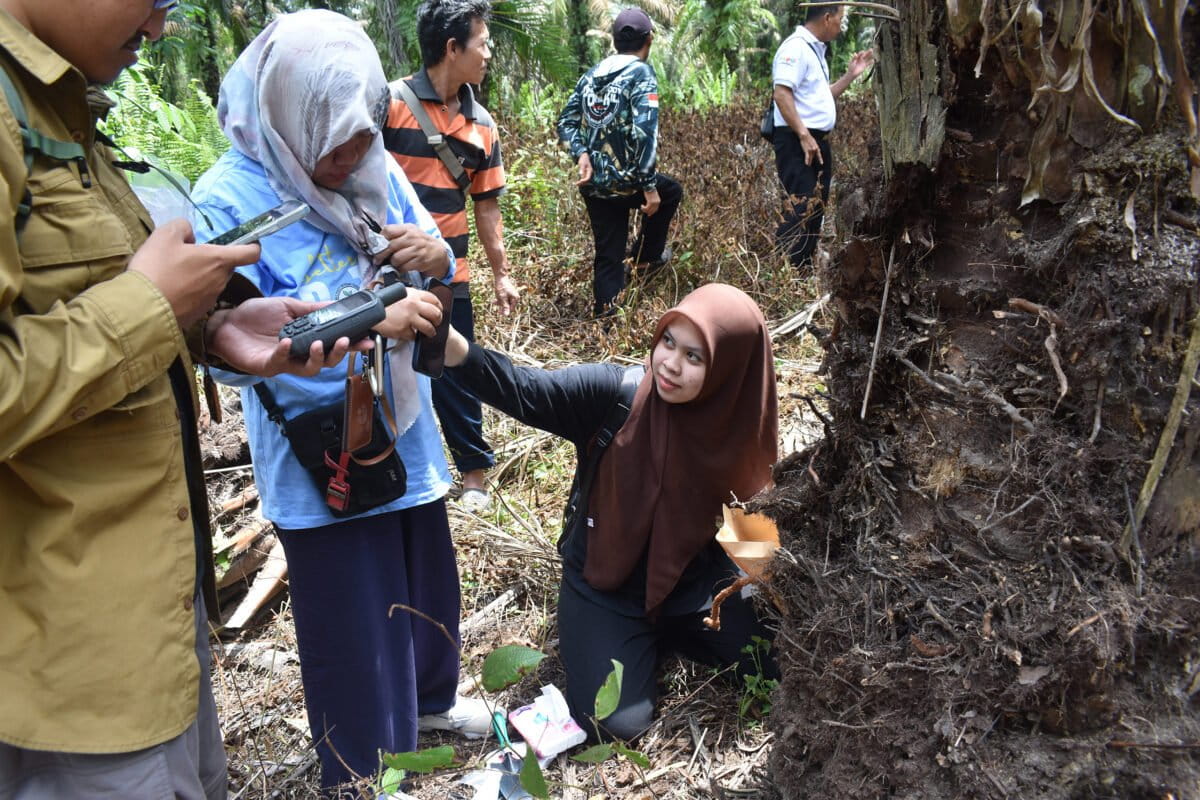
Instead of forcing farmers to follow complicated corporate standards, the toolkit uses their own local knowledge and traditions. Communities map their own forests and land, identify areas worth protecting, and decide together how village lands should be managed. The process requires free and informed consent because rules imposed on people rarely stick.
The toolkit proves that protecting forests doesn't require expensive consultants or corporate budgets. It requires trusting the people who've been living alongside those forests for generations. When farmers have the right tools and support, they become partners in conservation instead of obstacles to it.
Greenbury's journey from corporate executive to smallholder advocate shows how real solutions come from listening to the people closest to the problem.
More Images

Based on reporting by Mongabay
This story was written by BrightWire based on verified news reports.
Spread the positivity!
Share this good news with someone who needs it