Portland's $1B Climate Fund Becomes National Blueprint
While federal climate funding freezes, Portland's billion-dollar clean energy fund is helping vulnerable residents and inspiring 15 other cities to follow suit. The innovative fund taxes large corporations to power climate solutions designed by the communities most affected.
When federal climate dollars dried up in 2025, Portland just kept building.
Since 2019, the city has collected nearly $1 billion through a simple but powerful idea: charge big retailers like Target and Walmart 1% on each sale, then let communities most affected by climate change decide how to spend it. The fund doesn't tax shoppers. Instead, companies pay the city $1 for every $100 purchase.
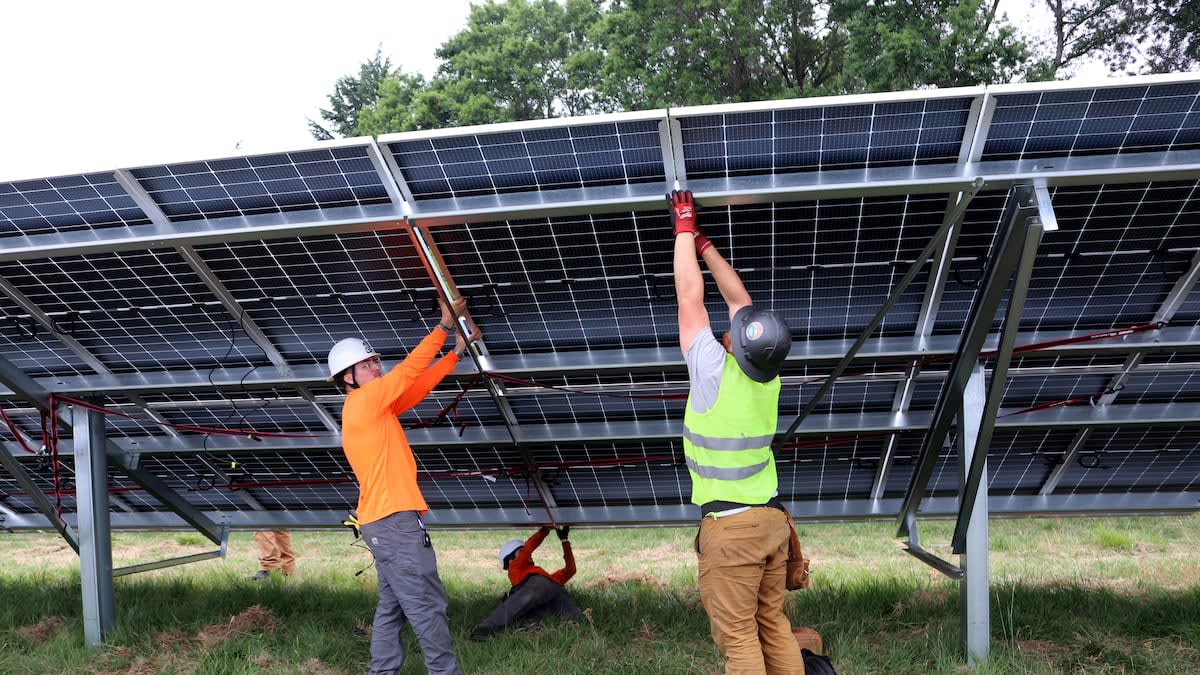
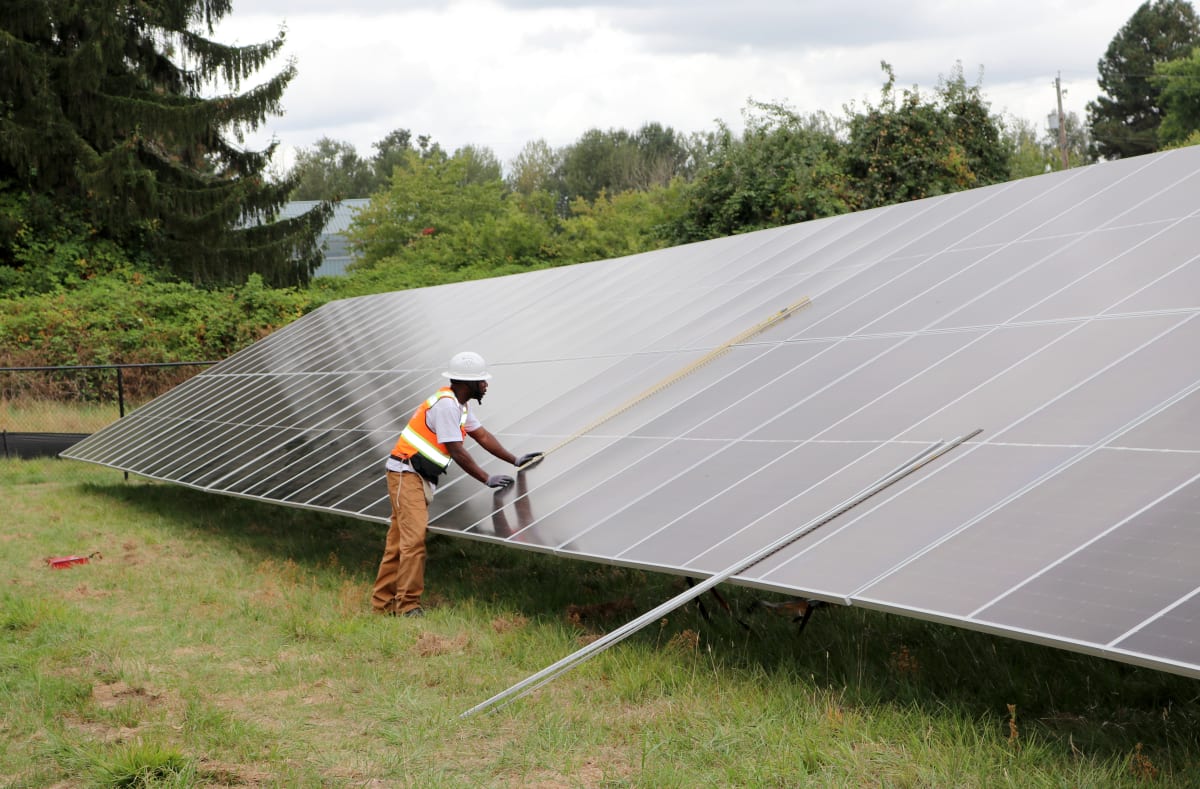
The results speak louder than any government report. Over 20,000 free air conditioners now protect vulnerable families from deadly heat waves. A 2,200-panel solar project slashes energy bills for 150 low-income families in a predominantly Latino neighborhood. Energy efficiency upgrades have transformed 3,100 homes, while 2,000 people trained in renewable energy fields now have careers in the green economy.
The Portland Clean Energy Fund started with a radical question from nonprofit leaders nearly a decade ago. What if the people hit hardest by climate change got to design the solutions? In 2018, 65% of voters said yes to that vision.
"The fund really poses a simple and powerful question: 'What if those most impacted by climate change were the ones designing solutions?'" said Sam Baraso, the fund's program manager. Community organizations now lead projects ranging from planting 15,000 trees in heat island neighborhoods to converting six concrete parking lots into thriving urban gardens.
The environmental impact matches the human benefit. Completed projects have already eliminated 25,500 metric tons of carbon emissions, equal to taking 6,000 gas-powered cars off the road for a year. That number keeps climbing as new projects launch.
The Ripple Effect
Portland's success is spreading fast. At least 15 other cities are now developing similar funds, creating a nationwide network of community-powered climate action that doesn't depend on Washington. While President Trump's executive order froze billions in federal Inflation Reduction Act spending, cities following Portland's blueprint keep moving forward.
The fund generates so much money that debates about spending priorities have emerged. Some proposals, like renovating a sports arena or diverting funds to hire police officers, have sparked fierce discussions about staying true to the fund's original mission of helping vulnerable communities first.
But the core vision remains strong. Four rounds of grants totaling $262 million have flowed to community-based nonprofits, with awards ranging from $8,000 to $10.3 million. Projects continue reducing emissions while directly improving lives in neighborhoods that need help most.
"That's what's been able to keep this going is folks seeing themselves in this, seeing themselves as beneficiaries of this, and not just themselves, but multiple generations into the future," Baraso said.
Portland proved that cities don't have to wait for federal action to fight climate change and protect their most vulnerable residents at the same time.
More Images



Based on reporting by Google News - Clean Energy
This story was written by BrightWire based on verified news reports.
Spread the positivity!
Share this good news with someone who needs it