New Treatment Frees 70% of Type 1 Diabetics from Insulin
A groundbreaking FDA-approved treatment is helping Type 1 diabetes patients stop daily insulin injections by replacing their destroyed cells with healthy ones from donated organs. University Hospitals in Cleveland is now offering the therapy that freed 70% of trial participants from insulin after just one year.
Imagine living with Type 1 diabetes and suddenly not needing insulin injections anymore. That reality is now possible for patients at University Hospitals in Cleveland, thanks to a revolutionary treatment called Lantidra.
The therapy works by infusing healthy insulin-producing islet cells from donated pancreases directly into patients who struggle with dangerously low blood sugar. These tiny cells travel to the liver, where they settle in and start making insulin naturally.
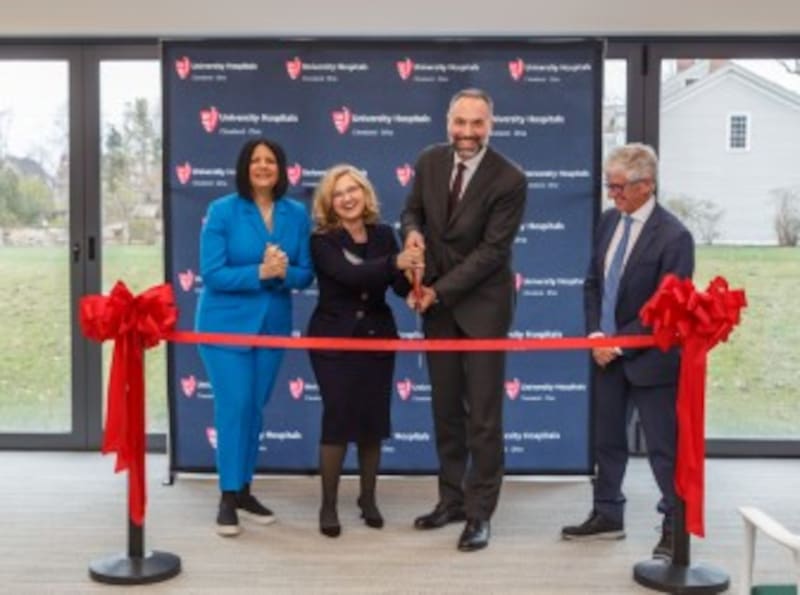
Dr. Betul Hatipoglu, who helped pioneer this treatment during her years at the University of Illinois Health at Chicago, has seen the transformation firsthand. She's now bringing the therapy to Ohio as chief of endocrinology at UH, one of the few sites in the state offering this FDA-approved treatment.
The results are remarkable. In clinical trials, 70% of patients no longer needed insulin injections after one year. Even after five years, 34% remained insulin independent.
"For some patients, it will be a cure for Type 1 diabetes," Hatipoglu said. The treatment targets patients who experience severe, life-threatening blood sugar drops despite using insulin.
The procedure involves extracting islet cells from a deceased donor's pancreas and transforming them into a liquid that's injected through a vein leading to the liver. Some patients need up to three infusions before they can stop taking insulin, and they must take immunosuppressive drugs to prevent rejection.
Why This Inspires
The patients Hatipoglu worked with during the Chicago trials experienced a profound shift in their daily lives. "They don't have to think about low sugars anymore," she said. "This big burden is lifted."
For people with Type 1 diabetes, every day involves constant monitoring, careful planning, and the persistent fear of dangerous blood sugar crashes that can cause seizures or loss of consciousness. This treatment removes that weight from their shoulders.
The therapy became FDA-approved in 2023 but only reached UH in late 2025. The hospital is now screening candidates who have experienced at least one dangerous low blood sugar episode in the past year and can match with a donated pancreas.
While the treatment isn't right for everyone with Type 1 diabetes, particularly those managing well on insulin, it opens a new door for the millions who face daily struggles despite their best efforts. Hatipoglu's goal is simple yet powerful: "You want to give it to everyone who qualifies."
More Images

Based on reporting by Google News - New Treatment
This story was written by BrightWire based on verified news reports.
Spread the positivity!
Share this good news with someone who needs it