New Treatments Slow Childhood Myopia by Half by 2050
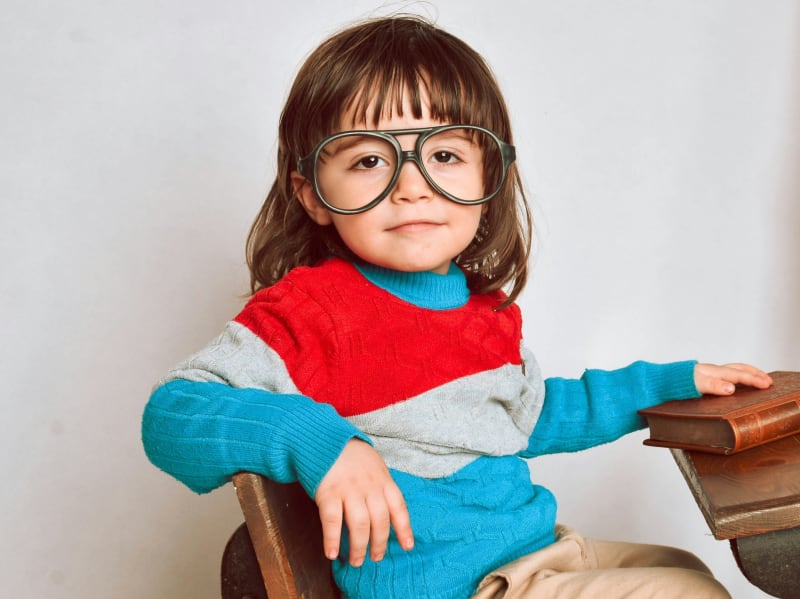
Scientists have discovered breakthrough ways to slow nearsightedness in kids, potentially preventing blindness for millions. Simple lifestyle changes and new treatments could protect a generation of children from severe vision loss.
By 2050, half the world will be nearsighted, and nearly a billion people could suffer severe vision problems that lead to blindness. But researchers have found real solutions that can slow this progression in children by up to 50%, offering hope to families everywhere.
Professor Langis Michaud at the University of Montreal reviews over 2,000 studies annually to track breakthroughs in myopia treatment. What he's found in recent years would have seemed impossible just five years ago.
The news gets even better when you understand what's changed. Doctors used to think nearsightedness was just a minor inconvenience fixed with glasses, but we now know the myopic eye gradually stretches and weakens over time, leading to torn retinas, glaucoma, early cataracts, and even blindness.
Fortunately, small environmental changes make a huge difference. Getting kids outside for at least two hours daily protects their eyes because natural light triggers retinal dopamine, a molecule that stops excessive eye growth.
Screen time matters too, but not how you might think. The problem isn't the screen itself but how close kids hold devices to their faces. Experts recommend zero screen time before age two and limiting recreational use to one hour daily between ages two and ten, with breaks every 30 minutes.
Diet, exercise, and sleep also play surprising roles. Recent research links severe myopia to inflammation that starts in the gut, meaning a low-sugar, low-salt diet combined with regular physical activity could one day help control progression.
The treatment revolution centers on a fascinating discovery: the peripheral retina, not central vision, controls eye growth. Modern therapies correct what kids see straight ahead while creating therapeutic blur around the edges that signals the eye to stop stretching.
Night-wear contact lenses gently reshape the cornea while children sleep. Special multifocal soft lenses and glasses create beneficial peripheral blur during the day. Low-dose atropine eye drops offer the only medication proven effective, with a 0.05% concentration balancing results against side effects.
The Ripple Effect
Delaying myopia onset by even a few months dramatically reduces the risk of severe vision problems in adulthood. Parents who start these simple changes early could spare their children decades of complications and protect them from preventable blindness.
The World Health Organization now recognizes myopia as a preventable cause of blindness, pushing eye care professionals beyond just prescribing glasses to actively educating families and stopping disease progression. This shift represents a fundamental change in how we protect children's vision for life.
These breakthroughs mean millions of kids worldwide have real options to preserve their eyesight well into old age.
More Images
Based on reporting by Medical Xpress
This story was written by BrightWire based on verified news reports.
Spread the positivity!
Share this good news with someone who needs it