New Weight Loss Drug Helps People Shed 30% Body Weight
A groundbreaking medication just moved closer to FDA approval after helping trial participants lose an average of 70 pounds in 80 weeks. The drug matches results typically seen only with surgery, offering new hope for millions struggling with obesity.
People struggling with weight loss now have something powerful to hope for: a new medication that helped trial participants lose nearly 30% of their body weight without surgery.
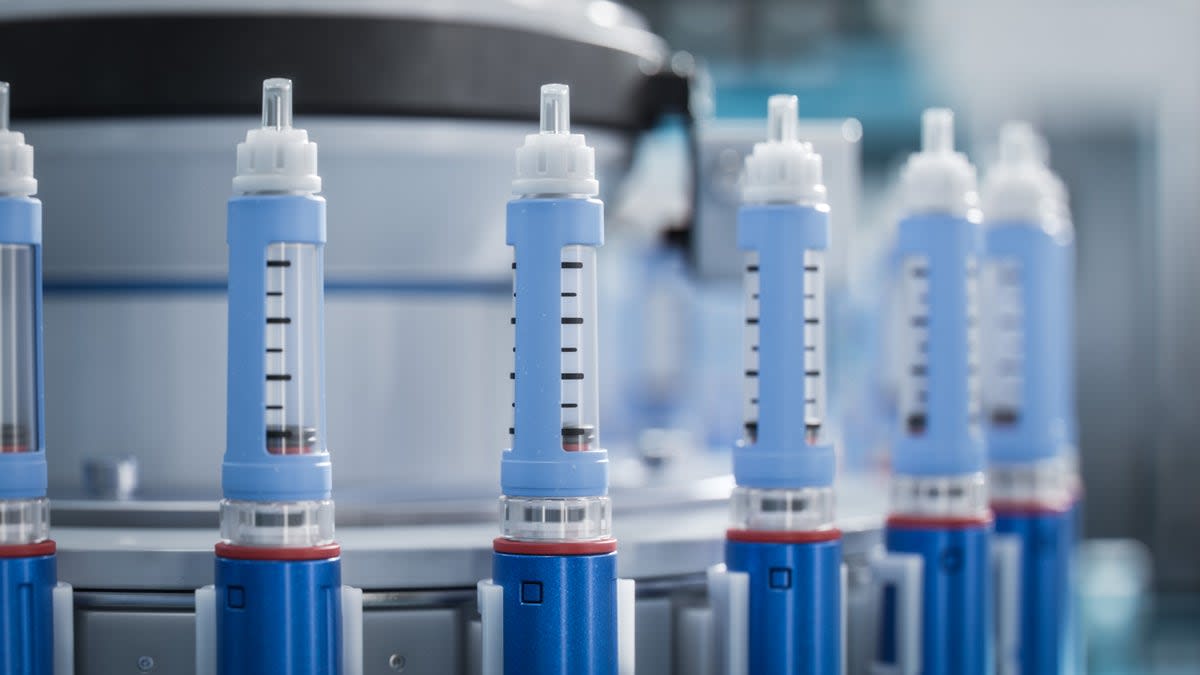
Pharmaceutical company Eli Lilly just completed a major clinical trial for retatrutide, a weekly injection that helped people shed an average of 70 pounds over 80 weeks. The results put the drug on par with bariatric surgery, something experts previously thought only surgical intervention could achieve.
"This has always been the GLP-1 medicine that we have viewed as the most potent, with the greatest weight loss," says Daniel Drucker, a professor of medicine at the University of Toronto.
What makes retatrutide different? Unlike current medications like Wegovy and Zepbound, which target one or two gut hormones, this new drug targets three separate appetite regulators. Think of it like using three keys instead of one to unlock weight loss.
The TRIUMPH-1 trial included people classified as overweight or having obesity, with an average starting weight of 248.5 pounds. Those receiving the highest dose (12 milligrams weekly) lost 28.3% of their body weight on average. That kind of result opens doors for people who need the most support on their health journey.
The trial represents a phase 3 clinical study, the gold standard required for FDA approval. If approved, the drug would give doctors another powerful tool to help patients achieve healthier weights and reduce obesity-related health risks.
The Ripple Effect
This breakthrough extends far beyond individual weight loss. Obesity affects over 40% of American adults and contributes to serious conditions like heart disease, diabetes, and certain cancers. A medication this effective could transform public health outcomes for millions.
The accessibility of an injectable medication versus surgical intervention also matters. More people may be able to access this treatment compared to bariatric surgery, which requires hospitalization, recovery time, and carries surgical risks.
Like existing GLP-1 medications, retatrutide does come with side effects. About a third of participants experienced nausea or diarrhea, and up to a quarter had vomiting at higher doses. But experts say these effects align with expectations and are typically manageable.
The medication offers hope particularly for those who need significant weight loss for health reasons. Having options at different potency levels means doctors can match treatments to individual patient needs.
The drug still needs final FDA approval before reaching pharmacies, but this successful trial brings that reality substantially closer.
More Images



Based on reporting by Scientific American
This story was written by BrightWire based on verified news reports.
Spread the positivity!
Share this good news with someone who needs it