Nigeria Committee Confirms Cross River Owns 119 Oil Wells
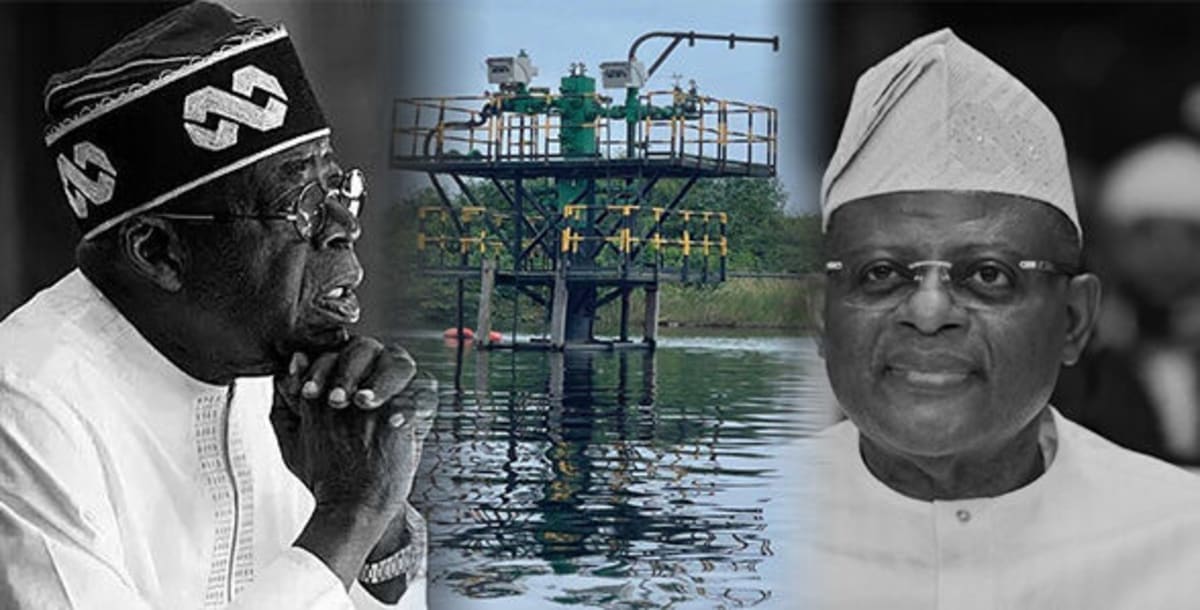
A federal committee has verified that Cross River State owns 119 oil wells that have been generating revenue for neighboring Akwa Ibom State since 2008. The finding could restore billions in annual income to Cross River and resolve a nearly two-decade dispute.
After 17 years of economic struggle, Cross River State may finally reclaim oil wells that could transform its future.
A federal technical committee has confirmed that 119 crude oil and gas wells belong to Cross River State, not Akwa Ibom State. The wells have been generating revenue for Akwa Ibom since Nigeria ceded the Bakassi Peninsula to Cameroon in 2008.
The Inter-Agency Technical Committee submitted its findings to Nigeria's Revenue Mobilisation Allocation and Fiscal Commission in February 2026. The report recommends that Akwa Ibom refund the 13 percent derivation revenue it has collected from these wells over nearly two decades.
Governor Bassey Otu of Cross River said his state "sacrificed" Bakassi and its oil assets for national peace. But that sacrifice came at an enormous cost: trillions of naira in lost revenue, stalled infrastructure projects, and widespread job losses.
"Today, we bear the scars, which we believe it is time to change," Governor Otu told journalists in February during a boat tour of the offshore oil platforms. "We are not asking for more. We are just asking for our own rights."
The 13-member committee spent months verifying the exact coordinates of disputed oil and gas fields across Nigeria's Niger Delta region. Members came from multiple federal agencies, including the National Boundary Commission and the Nigerian Upstream Petroleum Regulatory Commission.
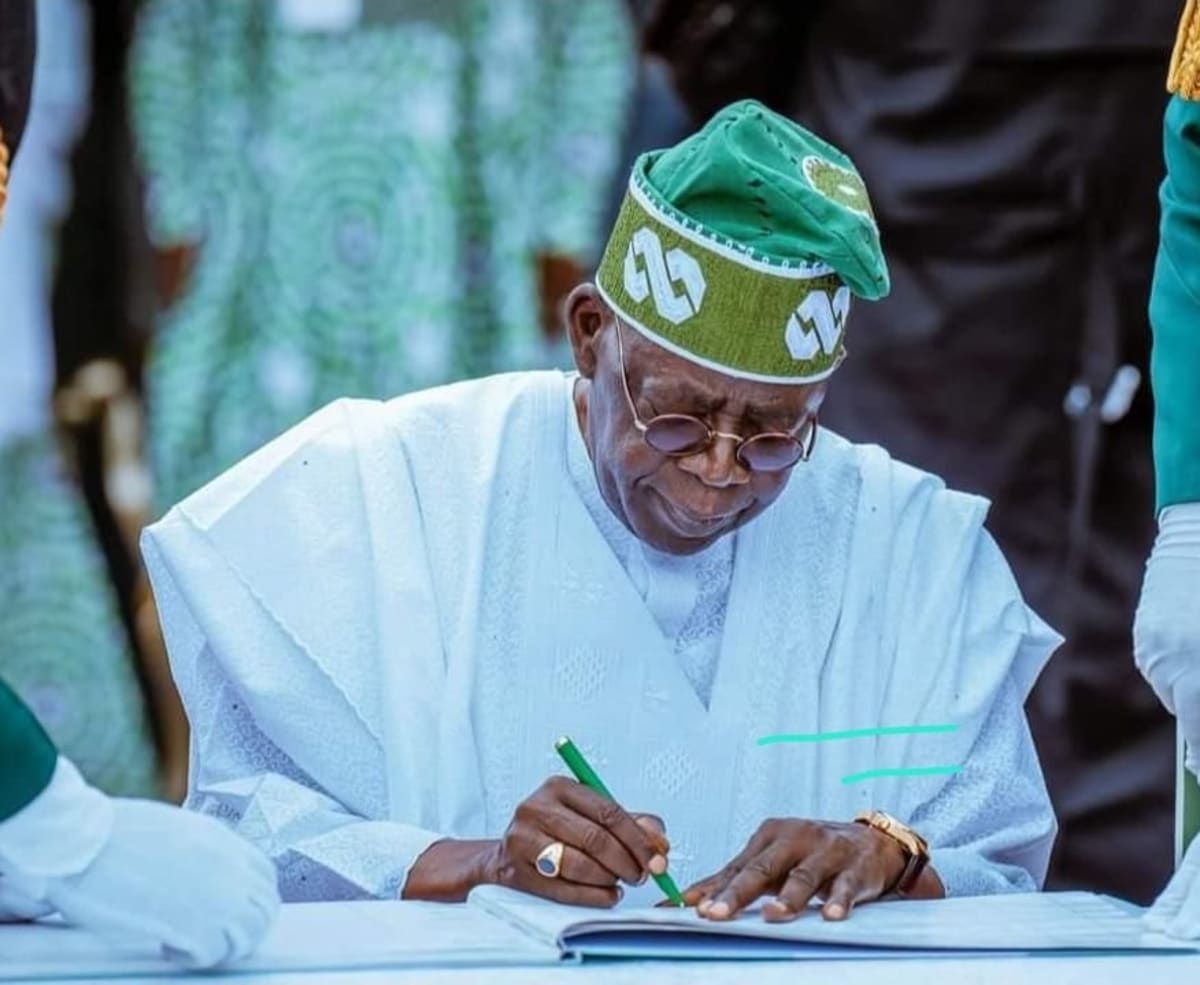
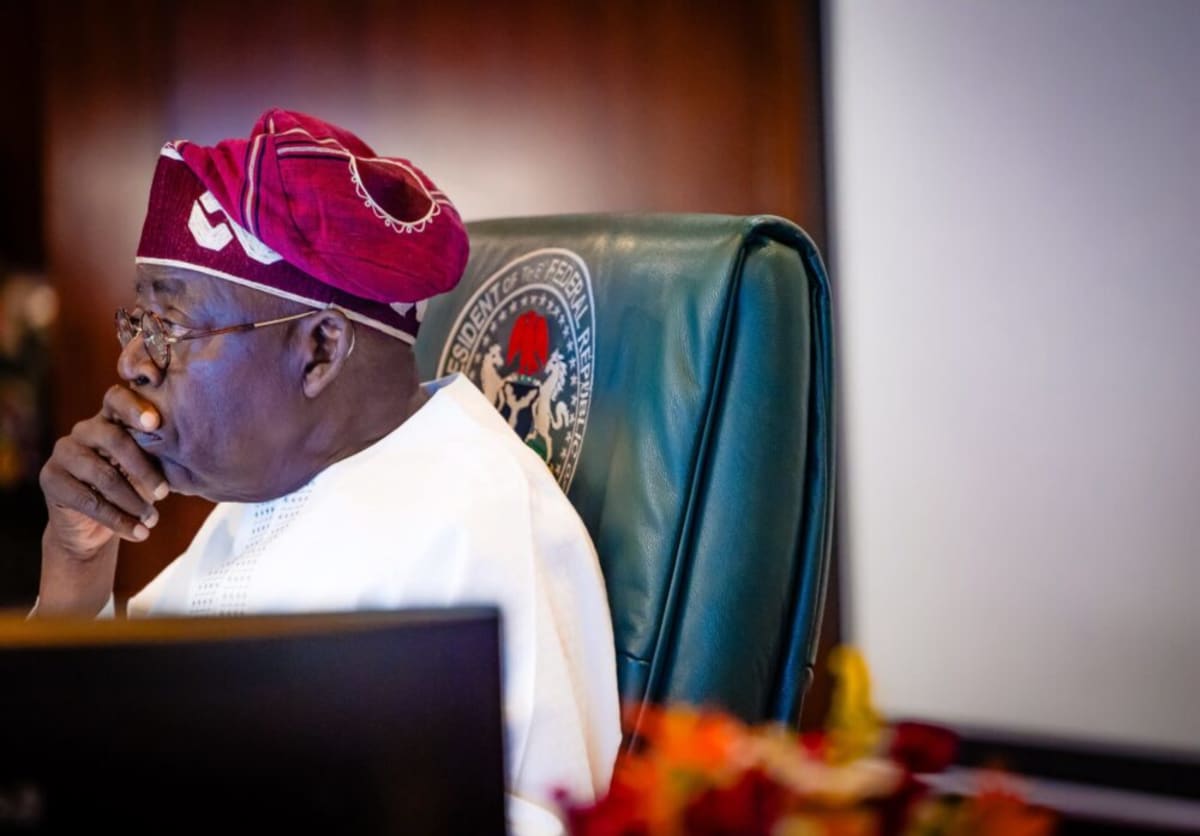
President Bola Tinubu has reportedly encouraged both states to resolve the dispute mutually rather than through prolonged legal battles. Senate President Godswill Akpabio mediated a February meeting between Governor Otu and Akwa Ibom Governor Umo Eno in Abuja.
The Ripple Effect
This resolution could mean more than just money for Cross River State. The restored revenue would fund schools, hospitals, roads, and jobs in communities that have struggled economically for nearly two decades.
Both states are controlled by the same political party, making a peaceful resolution more likely. The federal government views mutual agreement as crucial for national security and political stability ahead of 2027 elections.
Young people in Cross River have watched their state's economy decline while neighboring Akwa Ibom prospered from oil revenue. The committee's findings offer tangible hope that their future could brighten significantly.
The technical committee's work also established a clear methodology for resolving similar boundary and resource disputes across Nigeria. Other states watching this process closely could benefit from the precedent it sets.
While federal officials still need to review the report and President Tinubu must make a final decision, the technical verification represents a major breakthrough. For Cross River's residents, it's the first real sign in years that their economic fortunes could finally turn around.
More Images


Based on reporting by Premium Times Nigeria
This story was written by BrightWire based on verified news reports.
Spread the positivity!
Share this good news with someone who needs it