Nigeria Launches Free IP Training for Creators
Nigerian artists, musicians, and filmmakers just gained free access to a new online platform teaching them how to protect and profit from their creative work. The government partnered with the World Intellectual Property Organisation to launch CLIP, addressing a trillion-dollar opportunity.
Nigerian creators now have a powerful new tool to turn their talent into sustainable income, thanks to a government initiative launching free intellectual property education nationwide.
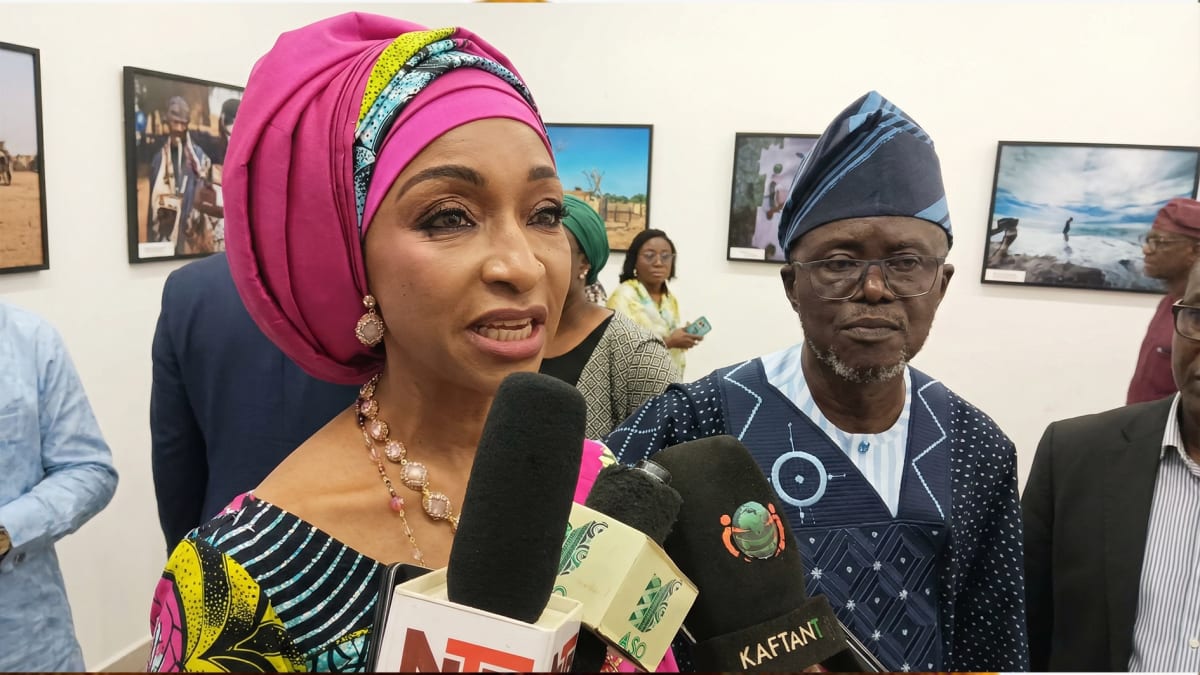
The Federal Government partnered with the World Intellectual Property Organisation (WIPO) to launch CLIP (Creators Learn Intellectual Property), an online platform teaching Nigerian artists how to protect their work and earn from copyright and royalties. The announcement came during a creative industry gathering in Abuja with WIPO Director-General Daren Tang in June 2026.
Minister Hannatu Musa Musawa called CLIP "a gateway to practical and actionable knowledge on copyright, royalties, and fairness." The platform aims to close the gap between Nigeria's creative talent and actual financial rewards, addressing a critical problem: creators generate brilliant ideas but often don't benefit from them financially.
The numbers show why this matters. Nigeria's creative and cultural industries contributed N2.53 trillion to the economy in 2022, with music alone accounting for N613 billion. Global trade in intellectual property is projected to reach $1.2 trillion by 2025, but many Nigerian creators lack basic knowledge about protecting their rights.
"Nigeria is rich in talent," Tang said. "What is needed is an intellectual property system that empowers rather than exploits." He praised Nigeria's global cultural influence through Afrobeats and Nollywood, noting the country's potential to thrive under better IP protections.
The Ripple Effect
This initiative extends beyond individual creators to strengthen Nigeria's entire creative economy. The National Intellectual Property Policy developed with WIPO reconceptualizes IP as a commercial asset that attracts investment and creates jobs across the country.
For visual artists like Rowland Goyit from the Society of Nigerian Artists, IP protection enables sustainable careers through sales, licensing, royalties, and collaborations. Strong protections also support galleries, cultural institutions, and preservation of indigenous artistic knowledge for future generations.
The platform will be promoted across Nigeria's diverse states and creative communities, reaching musicians, filmmakers, writers, and innovators. Both government and WIPO leaders emphasized that creators are not just cultural workers but pivotal economic contributors who deserve to benefit from their work.
Nigeria's youthful population and dynamic creative sector position the country perfectly to lead Africa's creative economy transformation under this more inclusive IP framework.
More Images


Based on reporting by Guardian Nigeria
This story was written by BrightWire based on verified news reports.
Spread the positivity!
Share this good news with someone who needs it
%2Ffile%2Fattachments%2Forphans%2FBMDangoteoilIPO_833156.jpg)