Nigeria Unifies Aid to Lift 100M From Poverty by 2029
Nigeria is scrapping its chaotic patchwork of poverty programs for one unified system that tracks families from dependency to self-sufficiency. Minister Dr. Doro's blueprint could finally turn billions in aid into measurable wins for 100 million people.
For decades, Nigeria's poverty programs have wasted millions on overlapping efforts while families slipped through the cracks. Now, one minister is changing everything with a single, unified system designed to track real results.
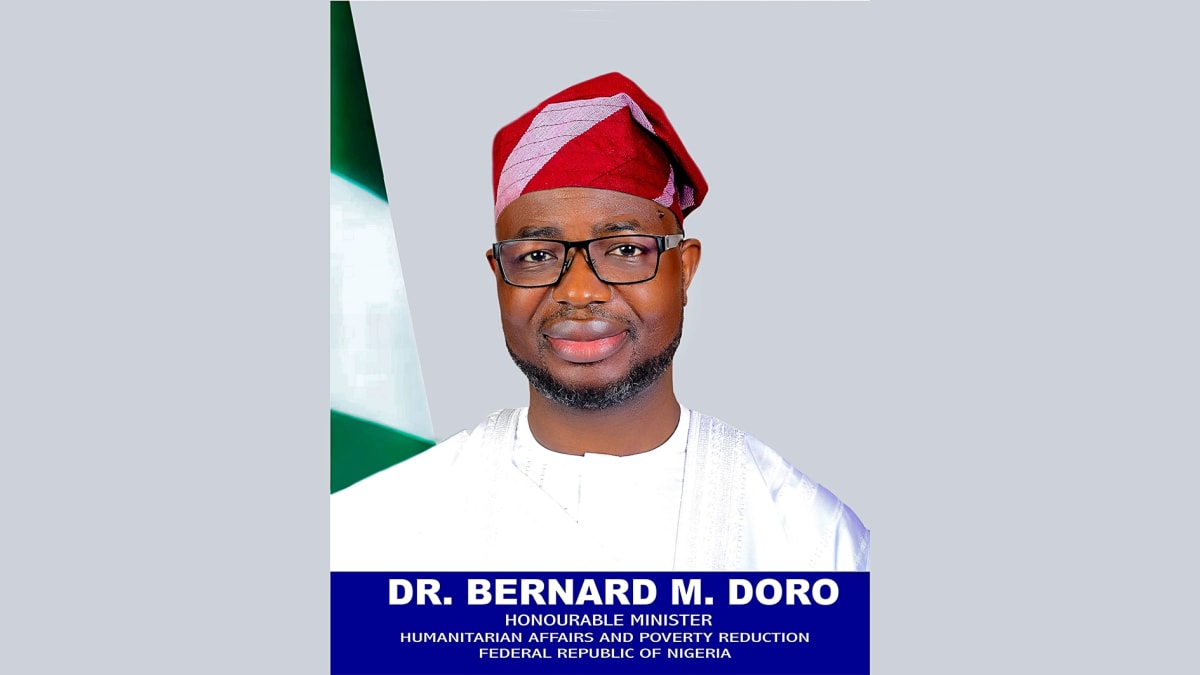
Dr. Doro, Nigeria's current Minister, just unveiled the One Humanitarian, One Poverty Reduction System (OHOPRS). It's not another policy document destined to collect dust. It's a complete overhaul of how Africa's most populous nation fights poverty.
The problem has never been lack of caring. A family in Borno might receive food aid from the UN, cash from a federal program, and farming supplies from the state, while their equally desperate neighbor gets nothing. Different agencies guard separate databases like treasure, creating chaos instead of help.
OHOPRS fixes this with one National Social Register that tracks every vulnerable citizen. Even better, it includes a Poverty Exit Register that documents families as they climb toward independence. The government can finally see what actually works.
Dr. Doro told the Transforming Global Education Summit in New York that handouts are a band-aid on a gunshot wound. Rice bags and cash envelopes might ease hunger for two days, but they don't break the cycle of generational poverty. They create dependency, not development.
The new approach treats humanitarian aid as an investment with measurable returns. Success isn't counted in naira distributed but in families who graduate off the poverty registry each quarter. True dignity comes from marketable skills, access to credit, and safe places to trade.
The plan needs serious funding to work. Dr. Doro presented a N43.52 billion framework to the Senate Committee on Poverty Alleviation, pointing out a stark problem. The National Assembly approved N30 billion for capital funds in 2025, but only N2.26 billion actually got released.
To make an ironclad case, the Ministry brought in the Nigerian Economic Summit Group to run independent cost analyses. With hard data from Nigeria's premier economic think tank, budget requests become economic imperatives, not emotional appeals.
The Ripple Effect
The new National Council on Humanitarian Affairs and Poverty Reduction held its first session in Calabar, creating the bridge Nigeria has always lacked. Federal policy makers, state governments, and local officials can finally coordinate instead of duplicate efforts. When everyone pulls in the same direction, resources reach the people who need them most.
By 2029, Nigeria aims to lift 100 million citizens out of poverty. With a unified system that tracks real progress, eliminates ghost beneficiaries, and invests in long-term dignity instead of short-term handouts, that audacious goal just became achievable.
More Images


Based on reporting by Google News - Poverty Reduction
This story was written by BrightWire based on verified news reports.
Spread the positivity!
Share this good news with someone who needs it