Nigerian Governor Gives 54 Machines to Fix Local Roads
Edo State is handing construction equipment directly to its 18 local councils, cutting through red tape to fix roads faster. Each community will get graders, excavators, and rollers to tackle their own infrastructure needs.
Communities across Edo State, Nigeria are about to take control of their own development with heavy machinery that will help them build better roads and drainage systems.
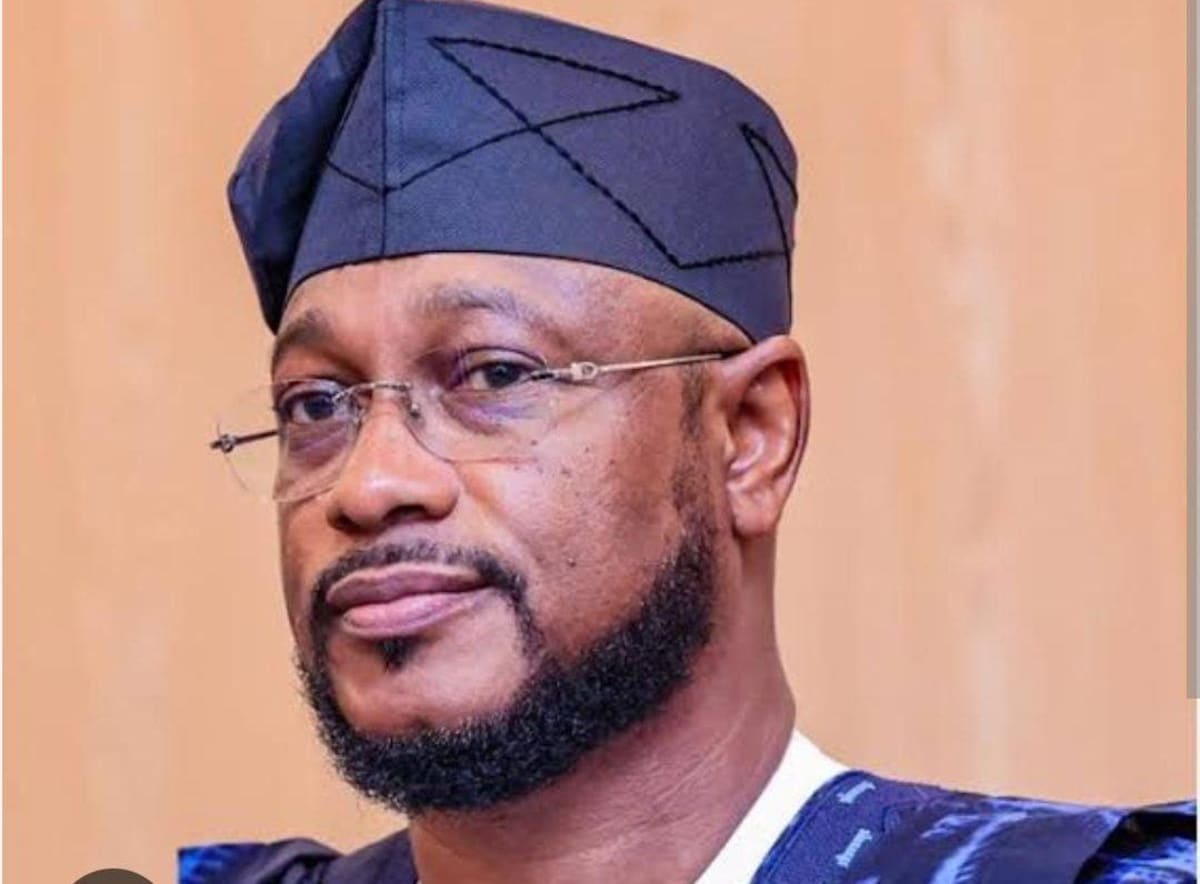
Governor Monday Okpebholo is distributing 54 units of construction equipment to all 18 local government councils this Thursday. Each council will receive graders, excavators, rollers, and other heavy-duty machines to handle their specific infrastructure challenges.
The strategy is simple but powerful: put the tools directly in the hands of local leaders who know exactly which roads need fixing first. By skipping the usual bureaucratic maze, communities can start construction projects faster and see results in their own neighborhoods.
The equipment will tackle road construction, rural access projects, and drainage rehabilitation. These might sound like technical terms, but they translate to farmers getting their crops to market more easily, children reaching schools during rainy season, and emergency vehicles accessing remote villages.
Since taking office, Governor Okpebholo has made road infrastructure a top priority. Residents already report easier travel between local government areas, and this equipment distribution promises to accelerate that progress across all three senatorial districts.
The Ripple Effect
When local councils control their own construction equipment, the benefits spread beyond just better roads. Rural communities see increased economic activity as contractors hire local workers to operate the machines. Small businesses benefit when customers can actually reach their shops year-round.
Traditional rulers and community leaders will attend Thursday's commissioning in Benin City, showing the broad support for putting development decisions closer to the people affected by them. Nigeria's Minister of the Federal Capital Territory, Nyesom Wike, will perform the official ceremony.
The move represents a shift toward practical governance where communities don't have to wait for state-level approval to fix a washed-out road or clear a blocked drainage channel. Local leaders can assess needs, deploy equipment, and deliver results on their own timeline.
Eighteen communities are about to get the power to build their own progress, one road at a time.
More Images



Based on reporting by Punch Nigeria
This story was written by BrightWire based on verified news reports.
Spread the positivity!
Share this good news with someone who needs it