Nigerian Leaders Chart Path to Ethical Governance
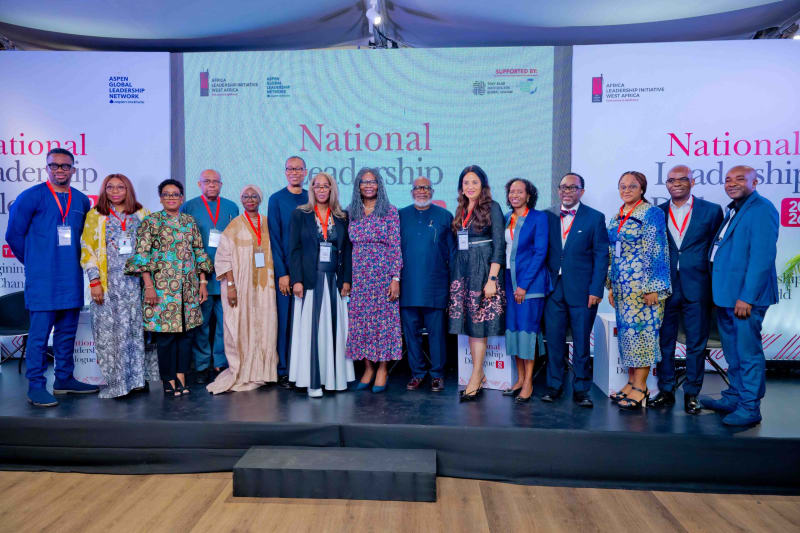
Over 4,000 values-driven African leaders gathered in Lagos to reimagine how integrity and accountability can transform Nigeria's future. The inaugural National Leadership Dialogue mapped concrete strategies for building stronger institutions and more transparent governance.
Leaders across Nigeria's private, public, and civil sectors are joining forces to tackle the country's toughest challenges with a renewed focus on ethical leadership and institutional reform.
The African Leadership Initiative West Africa brought together its network of more than 4,000 leaders for the first National Leadership Dialogue in Lagos. The gathering focused on one central question: How can principled leadership create lasting change in uncertain times?
Two major panel discussions explored different sides of the same challenge. The first examined what resilient 21st century leadership looks like, emphasizing honest decision-making and inclusive practices under pressure. The second panel dove into institutional reform, exploring how technology, partnerships, and structural improvements can strengthen Nigeria's governance systems.
Soji Apampa, president of ALIWA Nigeria, pointed to a critical shift happening in how Nigerians view leadership. "In times of uncertainty, leadership must be anchored in integrity, clarity, and a shared commitment to practical action, not symbolism," he told attendees. His message resonated: real progress requires honesty about challenges and collective work toward solutions, not empty gestures.
Former minister Okechukwu Enelamah, now Chairman of African Capital Alliance, went further. He argued that good intentions alone can't sustain ethical leadership. "It must be reinforced by strong systems, transparency, and accountability," Enelamah explained, "because leadership, when exercised as stewardship, has the power to transform nations."
The Nigerian Economic Summit Group presented its 2026 economic outlook, offering data-driven insights into opportunities ahead. Two ALIWA Fellows showcased real-world impact: Amina Oyagbola from WISCAR and Fabian Ajogwu from the Society for Corporate Governance demonstrated how their organizations are already implementing these principles across institutions and communities.
The Ripple Effect
What makes this gathering significant extends beyond the conference room. These aren't just conversations about abstract ideals. The leaders involved represent organizations touching millions of Nigerian lives every day, from healthcare to finance to education. When they commit to accountability and transparency, those values flow through their institutions into communities across West Africa.
The dialogue represents a growing recognition that Nigeria's path forward depends on leaders willing to build systems that outlast individual terms and administrations.
Nigeria's next generation of leadership is being shaped by principles that prioritize lasting change over quick wins.
More Images


Based on reporting by Premium Times Nigeria
This story was written by BrightWire based on verified news reports.
Spread the positivity!
Share this good news with someone who needs it