Nigeria's 36 Governors Commit to Early Childhood Investment
All 36 Nigerian state governors have pledged to make early childhood development a top priority, recognizing that investing in the first five years of life shapes the nation's future. The commitment comes as part of a push to turn existing policies into real action at the state level.
Nigeria's leaders are putting children first in a way that could transform the country's future.
The Nigeria Governors' Forum, representing all 36 states, has formally committed to making early childhood development a strategic priority. The announcement came at a workshop organized with the World Bank, focusing on how states can turn national policies into practical programs.
The governors recognize that the period from pregnancy through age five lays the foundation for everything that follows. Health, learning ability, and future productivity all trace back to these critical early years.
"Investing in early childhood development is not only an investment in children; it is an investment in Nigeria's human capital and long-term economic development," said Abdulateef Shittu, representing the forum's secretariat.
The challenge now is moving from words to action. While Nigeria has national frameworks in place, success depends on how well state and local governments implement them. That's why the forum is helping each state develop plans tailored to their specific needs and resources.
The governors stressed that early childhood development can't be handled by just one agency. It requires coordination across health, nutrition, education, and social protection sectors to give children the full support they need.
The commitment addresses a real gap. Recent reports show that less than five percent of Nigeria's education budget benefits early childhood learning, and only 1.5 percent of health spending goes to early childhood services. Millions of children affected by conflict and economic hardship remain largely invisible in government budgets.
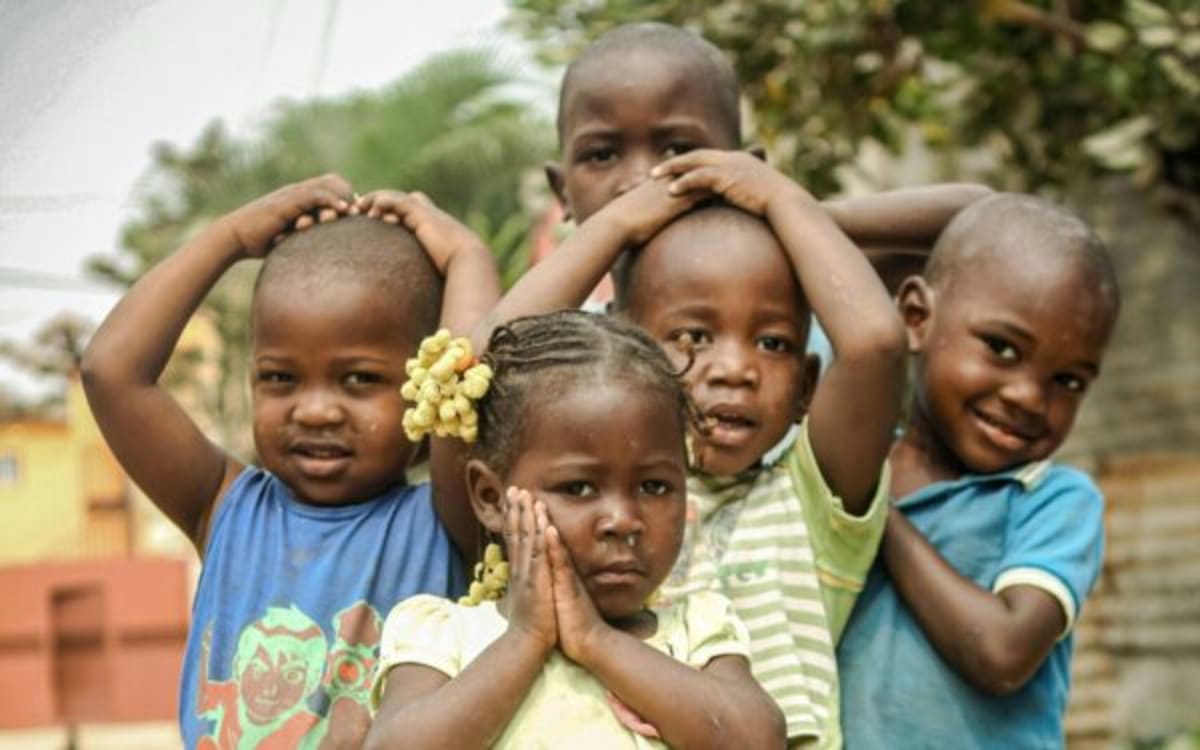
On the ground, families in communities like Karshi near Abuja struggle with food insecurity affecting 34 percent of children. Some families live in shop compartments never meant as homes, lacking stable housing and learning materials during their children's most formative years.
The Ripple Effect
When leaders invest in early childhood, the benefits multiply across generations. Children who receive proper nutrition, healthcare, and learning opportunities in their first five years are healthier, stay in school longer, and become more productive adults. They're better equipped to lift their own families out of poverty and contribute to their communities.
This state-level commitment means real resources flowing to programs that help pregnant mothers, toddlers, and preschoolers across Nigeria's diverse regions. Each state will develop measurable outcomes and integrate them into official budgets, making children's needs a planning priority rather than an afterthought.
The forum promised to facilitate shared learning among states, helping successful programs spread to new regions. By treating early childhood as an economic priority, not just a social program, Nigeria's governors are laying groundwork for a stronger, healthier nation decades from now.
More Images


Based on reporting by Premium Times Nigeria
This story was written by BrightWire based on verified news reports.
Spread the positivity!
Share this good news with someone who needs it