Noise Pollution Harms Birds—But We Know How to Fix It
New research shows human noise is harming bird reproduction and survival across 160 species worldwide. The good news? Scientists say we already have the tools to reverse the damage.
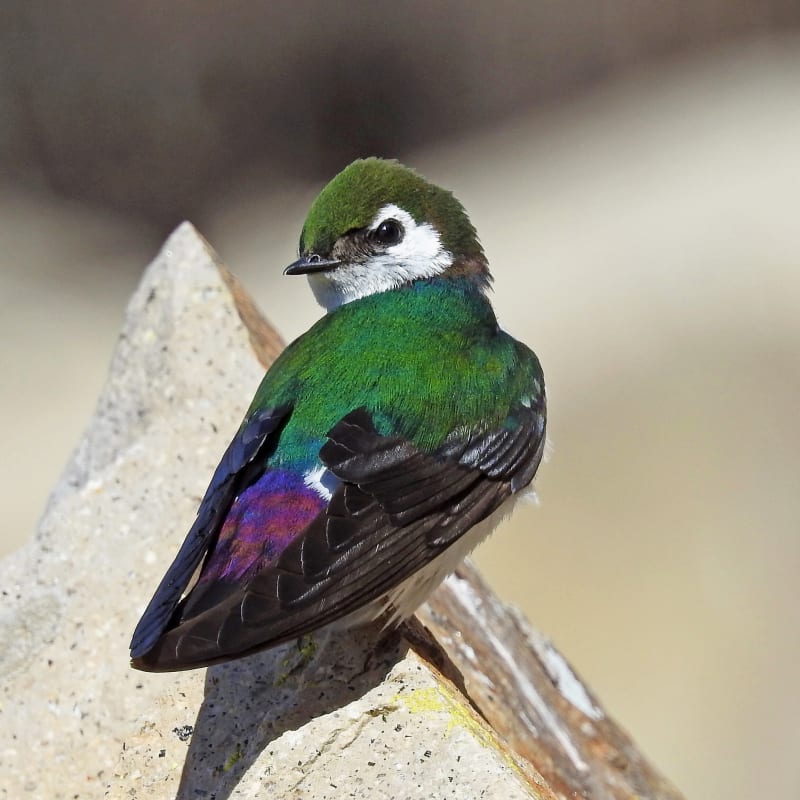
Birds are struggling to survive in our noisy world, but scientists say fixing the problem might be easier than we think.
New research from the University of Michigan analyzed over 150 studies covering 160 bird species across six continents. The findings paint a clear picture: human-made noise from traffic, construction, and daily activities is disrupting how birds communicate, reproduce, and survive.
"Birds rely heavily on acoustic information," said lead author Natalie Madden, who conducted the research while earning her master's degree at the University of Michigan. "They use song to find mates, calls to warn of predators, and chicks make begging calls to let their parents know they're hungry."
The study, published in the Proceedings of the Royal Society B, found that birds living in noisy environments face higher stress levels and struggle with basic survival behaviors. Cavity-nesting birds experience particularly negative effects on their growth, while urban birds show elevated stress hormones compared to their rural counterparts.
The timing matters. Since 1970, North America has lost 3 billion breeding birds across numerous species. While habitat loss and pesticides get most of the attention, this research shows noise pollution deserves its own spotlight.
The Bright Side
Here's what makes this research genuinely hopeful: we already know how to solve it.
"If we can predict them, then we can mitigate them, we can reduce them, we can reverse them," said Neil Carter, the study's senior author and associate professor at the University of Michigan. Unlike many environmental challenges that feel overwhelming and complex, noise reduction uses existing technology and materials.
Buildings already use design techniques to prevent bird collisions with windows. Those same principles can apply to sound reduction. We know which materials absorb noise, how to position barriers, and where to place them for maximum effect.
"This feels like it's relatively low-hanging fruit," Carter said. "We know how to use different materials and how to put things up in different ways to block sound. We just have to get enough awareness and interest in doing it."
Cities can install sound barriers along highways, use quieter construction equipment, and incorporate noise-dampening materials into building designs. Parks and green spaces can be strategically placed to create quiet zones where birds can thrive.
The research team included experts from the University of Michigan's School for Environment and Sustainability and California Polytechnic State University. Their comprehensive analysis gives urban planners, architects, and policymakers a roadmap for making real change.
Every decibel we reduce gives birds a better chance to hear their mates, warn their flock, and feed their young.
More Images


Based on reporting by Phys.org
This story was written by BrightWire based on verified news reports.
Spread the positivity!
Share this good news with someone who needs it