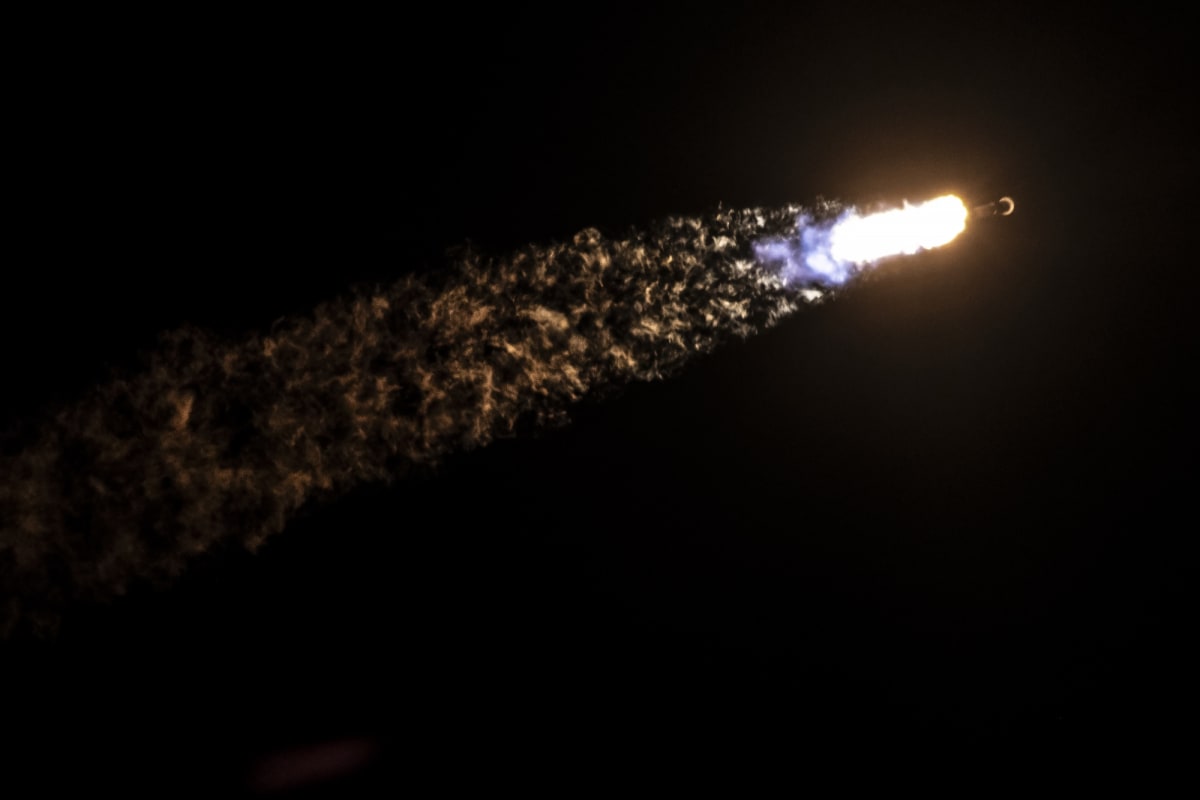
Nonprofit B612 Foundation Shields Earth From Asteroids
A Silicon Valley nonprofit is working to protect our planet from dangerous asteroid impacts through research, education, and global cooperation. Since 2002, the B612 Foundation has been advancing asteroid detection and deflection strategies while teaching the world about these cosmic threats.
A group of scientists and former astronauts is quietly working to save humanity from a threat most of us never think about until it's too late.
The B612 Foundation, named after the tiny asteroid home in "The Little Prince," has spent over 20 years preparing Earth for potential asteroid strikes. Led by president Danica Remy and co-founded by Apollo 9 astronaut Rusty Schweickart, this Silicon Valley nonprofit focuses on detecting dangerous space rocks before they can cause catastrophic damage.
The threat is real. In 1908, an asteroid flattened 800 square miles of Siberian forest in the Tunguska impact, an area the size of a major city. More recently, a 60-foot asteroid exploded over Chelyabinsk, Russia in 2013, damaging buildings and injuring over 1,000 people with shattered glass.
But B612 isn't just sounding alarms. The foundation played a key role in advancing planetary defense, work that culminated in NASA's successful DART mission in 2022. That spacecraft intentionally crashed into an asteroid moonlet called Dimorphos, proving for the first time that humans can actually redirect a dangerous space rock.
Remy and her team also co-founded Asteroid Day, held every June 30th and now recognized by the United Nations. The international event brings together hundreds of gatherings worldwide to educate people about both the risks and opportunities asteroids present. Rock musician and astrophysicist Brian May of Queen helped launch the initiative alongside Schweickart and filmmaker Grig Richters.
The foundation works with a network of trusted scientists, astronauts, and communicators to cut through internet noise and misinformation. In an age of artificial intelligence and social media confusion, Remy believes human networks remain essential for building public trust around complex scientific issues.
Why This Inspires
What makes B612's work remarkable isn't just the technical challenge of tracking space rocks hurtling through the cosmos. It's that a small team of dedicated people saw a global threat that governments weren't adequately addressing and decided to do something about it themselves. They've spent two decades building the knowledge, technology, and international cooperation needed to protect every person on Earth from a danger that respects no borders.
Schweickart notes that when a real impact threat arrives, the biggest challenges won't be technical but organizational and political. B612's efforts in education, research, and global coordination are building the framework humanity will need when that day comes.
The foundation continues advancing discovery tools and tracking systems to strengthen our planetary defenses, one asteroid at a time.
More Images



Based on reporting by Space.com
This story was written by BrightWire based on verified news reports.
Spread the positivity!
Share this good news with someone who needs it