Norfolk Farm Rewilding Brings Back 15-Year-Absent Species
A decade of rewilding has transformed an intensively farmed Norfolk estate into thriving heathland where rare butterflies, orchids, and birds not seen locally for 15 years are returning. The partnership between a farmer and Natural England shows how agriculture and nature recovery can work together.
Rare species are coming home to a Norfolk estate after ten years of rewilding turned industrial farmland into blooming heathland.
Massingham Heath was once arable land dependent on fertilizers and pesticides. Now it's a thriving mosaic of grassland, wildflowers, and scrub where wildlife is flourishing again.
The transformation began when estate owner Olly Birkbeck partnered with Natural England to rethink how the land could be managed. They moved away from conventional cropping toward large-scale habitat creation that restored the landscape closer to its original character.
The results have been remarkable. Dingy skipper butterflies, absent for 15 years, have returned alongside wasp spiders, oil beetles, and pyramidal orchids that had vanished from the area.
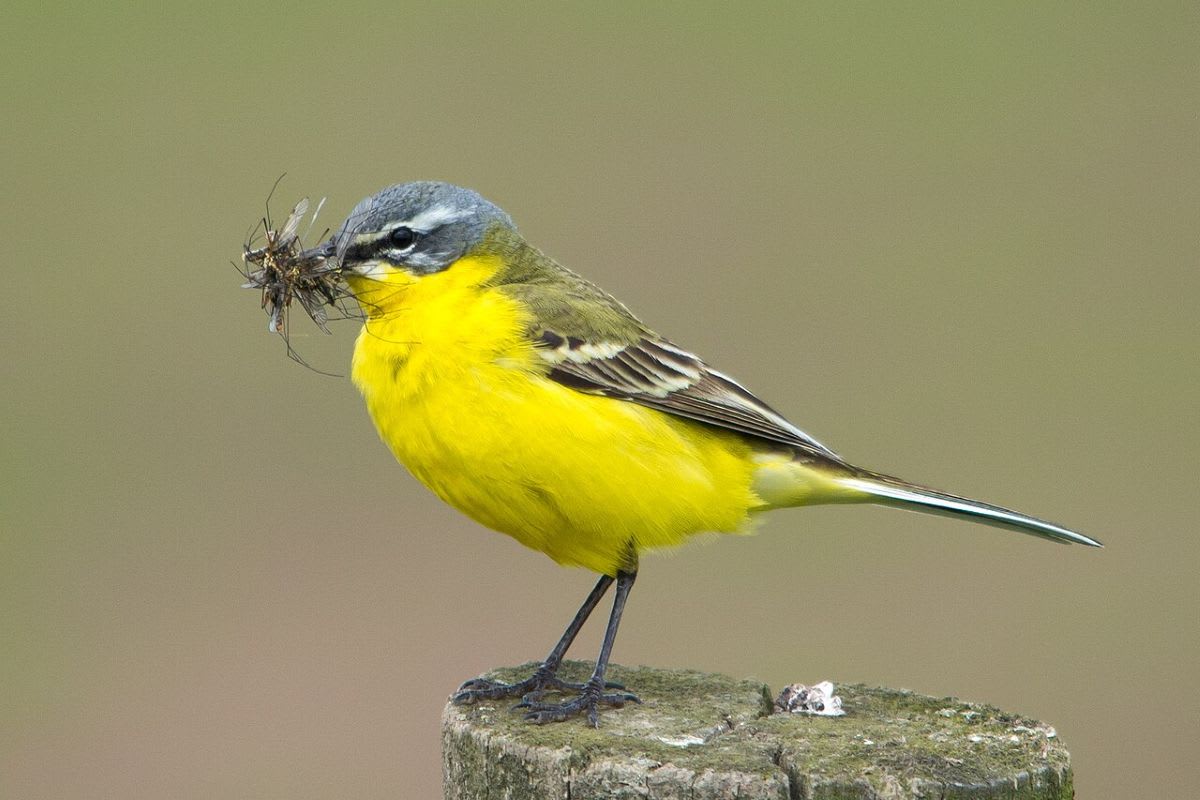
Birds are thriving too. Skylarks, woodlarks, stonechats, goshawks, and hobbies now nest across the heath, while spring brings visiting whinchats, whitethroats, and yellow wagtails.
The secret to success was starting local. Tenant farmer Ed Cross hand collected seeds from ancient Norfolk grasslands and carefully matched them to different areas of the site, helping re-establish rock rose, wild thyme, and field mouse-ear.
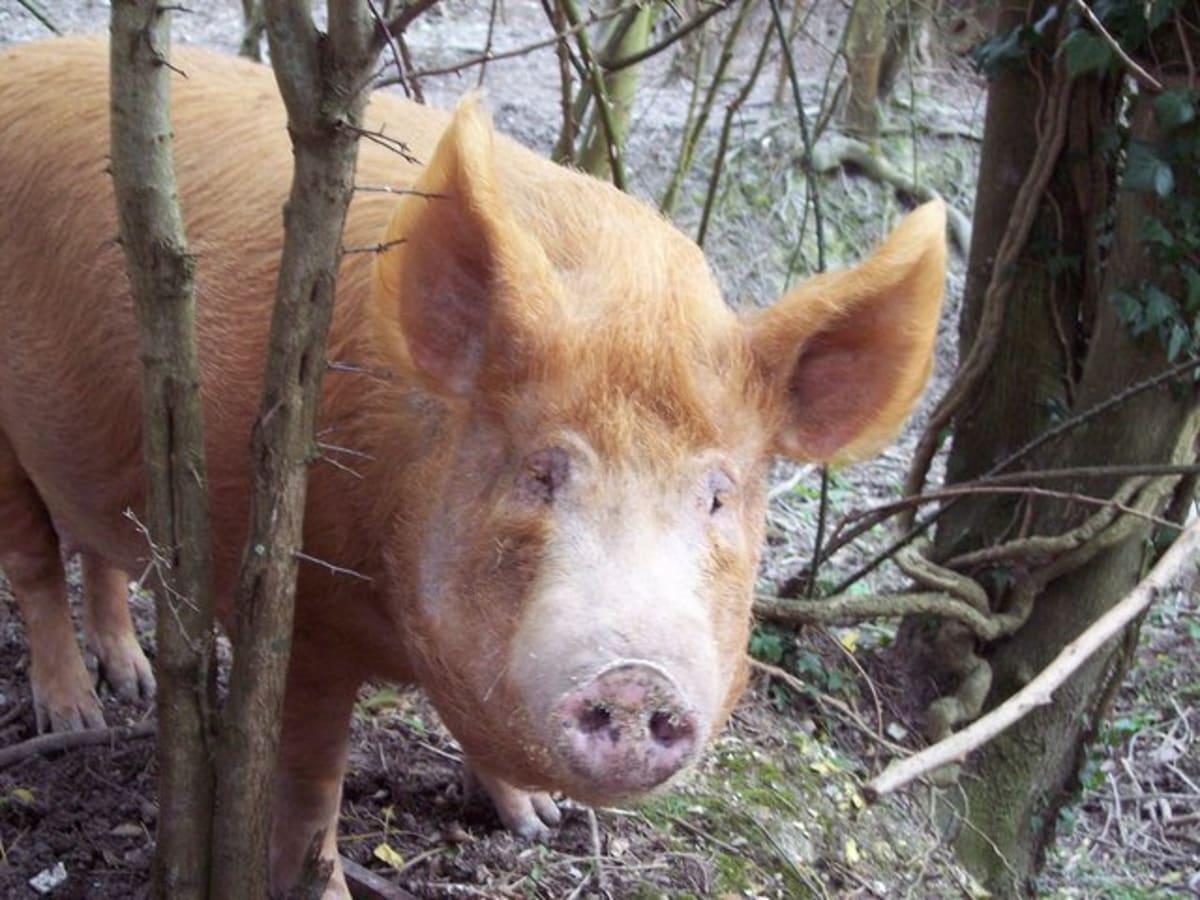
Conservation grazing using Konik ponies, Bagot goats, and Tamworth pigs keeps the habitat balanced. The animals control invasive species and prevent aggressive plants from dominating, allowing natural habitats to develop.
The Ripple Effect
Massingham Heath is now part of the proposed west Norfolk nature network, a landscape recovery project connecting habitats across a much larger area. By improving connectivity between sites, the project helps species move freely and strengthens wildlife populations across the region.
The success demonstrates how long-term partnerships between farmers and conservation organizations can deliver nature recovery at scale. Built on trust and sustained investment through agri-environment schemes, the project provides a working model for restoring nature across England's farmed landscapes.
Artists from the Society of Wildlife Artists have documented the transformation through seasonal residencies, creating an accessible visual record of the heath's rebirth. Their work captures not just the return of wildlife, but the restoration of a landscape to something closer to its original boundaries, mapped centuries ago.
What started as one farmer's willingness to rethink land management has become a blueprint for bringing nature back.
More Images



Based on reporting by Google: miracle recovery
This story was written by BrightWire based on verified news reports.
Spread the positivity!
Share this good news with someone who needs it