Norway Funds Two More Hydrogen-Powered Ships for Baltic
Norway just doubled down on clean shipping with a $36 million grant to build two more hydrogen-powered cargo ships. The small Scandinavian nation is racing to prove that zero-emission ocean freight isn't just possible, it's practical.
Norway just gave a $36 million boost to a project that could transform how cargo ships cross the sea without burning a drop of fossil fuel.
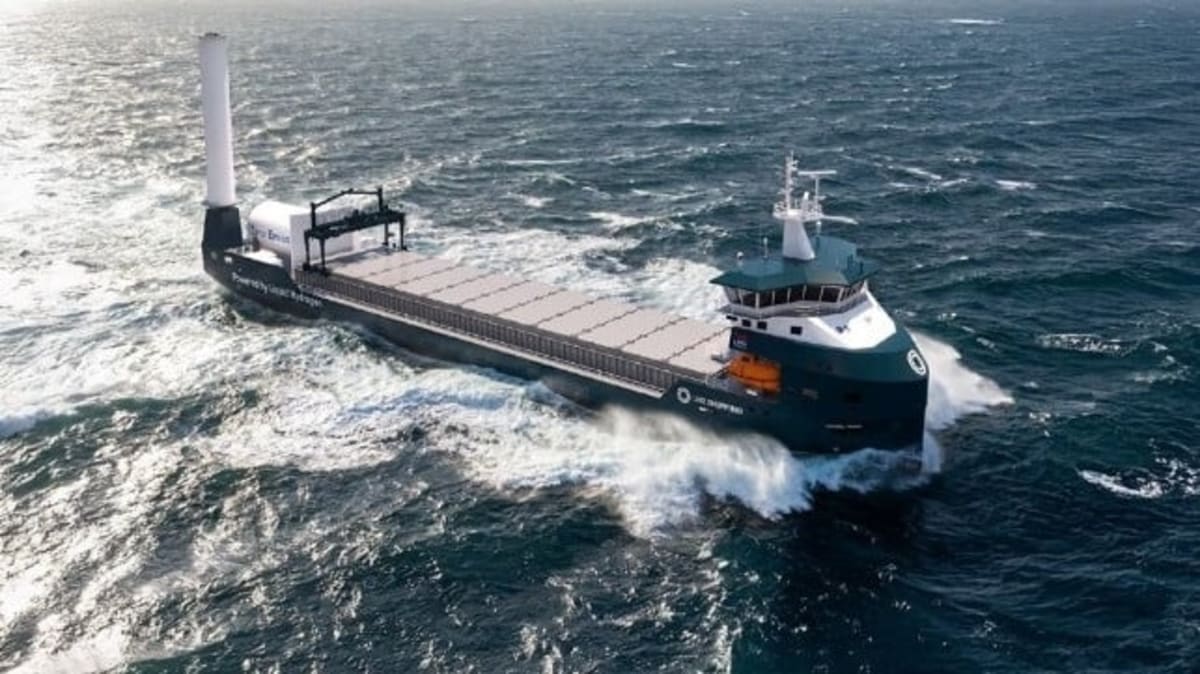
LH2 Shipping, a Norwegian company founded just three years ago, received the grant from Enova, the country's green energy agency. The money will build two hydrogen-powered bulk carriers to haul dry goods across the Baltic Sea and between Norway and continental Europe.
These aren't theoretical ships on a drawing board. They're the fifth and sixth vessels in an expanding fleet designed to prove hydrogen shipping works in the real world. Each ship will stretch 354 feet long and carry 7,700 tons of cargo using fuel cells powered by 17 tons of liquid hydrogen stored onboard.
The company already proved the concept works. In 2023, LH2 Shipping launched Norway's MF Hydra, the world's first liquid hydrogen-powered ferry. That vessel gave engineers real-world data about how hydrogen performs in daily maritime operations, not just in labs.
The new cargo ships will run 50 percent cleaner than conventional vessels, thanks to optimized hull designs and efficient propulsion systems. Solar panels on deck hatches will generate extra power. A 3 megawatt-hour battery pack will handle docking and loading operations, letting ships plug into shore power when available.
Smart backup systems address the biggest concern about new fuel technology. If hydrogen supply fails or infrastructure isn't ready when ships launch, standby diesel generators can burn regular or biodiesel fuel. This flexibility removes the all-or-nothing gamble that scares shipping companies away from innovation.
Norway has now invested $83 million total in LH2 Shipping's vision. That growing support signals confidence that hydrogen shipping can scale beyond demonstration projects into commercial reality.
The Ripple Effect spreads far beyond six ships. Every successful hydrogen voyage builds the infrastructure and expertise needed for larger adoption. Ports develop refueling capabilities. Engineers refine fuel cell designs. Insurance companies gain data to assess risks. Other shipping firms watch, learn, and plan their own transitions.
CEO Ivan Østvik calls the funding "an important strategic milestone" that moves the company closer to enabling a complete maritime hydrogen value chain. That chain includes production, storage, transport, and refueling systems that make hydrogen as routine as diesel is today.
Shortsea shipping accounts for a significant portion of Europe's cargo transport and carbon emissions. Converting these medium-distance routes to hydrogen tackles climate impact where infrastructure development is most feasible. Success here creates a template for longer ocean voyages.
The ships will enter service in the Baltic, one of the world's busiest maritime regions with nine countries sharing its waters. If hydrogen proves reliable there, the model works anywhere.
Clean ocean shipping is coming, one hydrogen-powered voyage at a time.
More Images

Based on reporting by Google News - Norway Green Energy
This story was written by BrightWire based on verified news reports.
Spread the positivity!
Share this good news with someone who needs it